 Skip the calls
Gas or electric water heater for a California home
Describe the project once instead of to every installer.
Most homes in California heat with gas, and that matters when a water heater goes out. Gas costs less to run here than electricity, and electricity here is among the most expensive in the country. If your home already has a gas line to the water heater, staying with gas usually makes sense. If it doesn't, switching means running a new gas line, and that's a real cost to weigh against an electric model.
Electric water heaters have come a long way, and a heat pump water heater can run cheaper than you'd expect even with local electric rates, because it moves heat instead of generating it. But it needs space around it and pulls heat from the air where it sits, which changes how and where it can go in.
Either choice is a real decision about your home, not a simple swap, and it's not one you have to work out alone or get wrong.
Finding someone to install it is its own chore. You'd normally be calling around, explaining your situation to each one, waiting on quotes, and trying to compare bids that aren't quite asking the same questions. That part goes away here. You're matched with one licensed, local contractor, not a handful of companies competing for your callback. Someone who installs these year-round in California homes, who's seen which gas lines need upgrading and which electric panels can't take a heat pump unit without extra work, and who can tell you straight which one fits your house.
From there, it's a conversation about your home, not a sales pitch. Your water heater, your gas line, your panel, your bill. The button below starts that conversation.
If your water heater already runs on gas, replacing it with another gas unit is almost always the right call here. The gas line is in place, so installation doesn't mean opening up a wall to add one. Power in California costs far more than gas, so an electric replacement would cost more to run every month, year after year. The one case where electric is worth a look is a home with no gas line at all, where a heat pump water heater can make sense since it uses a fraction of the power a standard electric tank does. But if gas is already there, switching away from it adds cost on the install and on every bill after. For most homes here, the answer is simple: stay with what's already connected, and put the money toward the unit itself rather than new gas or electric lines.




A gas water heater works by lighting a burner under the tank, so recovery time depends on how fast that flame can bring a full tank back up to temperature. Before the gas valve opens all the way, a thermocouple or igniter has to confirm there's actually a flame. That burning needs somewhere to go, which is why gas units run a vent or flue up and out of the house, and why the size and path of that vent matters when a new unit goes in. An electric water heater skips all of that. There's no flame and nothing to vent, just an upper and a lower heating element inside the tank, and only one of them runs at a time. That's a simpler setup in some ways, but it changes how the tank recovers and what it draws from your electrical panel. If your current unit is gas, the vent and gas line already running to it are sized for a gas tank, which is why swapping gas for gas usually means the new unit fits what's already there.
How Each Type Actually Heats
- A gas water heater lights a burner under the tank, so it recovers faster than an electric tank reheating a full load of cold water.
- An electric water heater uses two heating elements, an upper and a lower, and only one runs at a time.
- Gas units need a vent or flue to carry exhaust out of the house, which is why the pipe size and route matter during installation.
- Electric water heaters don't need venting at all, since there's no combustion happening inside the tank.
- A gas unit needs a thermocouple or igniter to confirm the flame is lit before the gas valve stays open.
- Swapping gas for gas means the existing vent and gas line usually fit the new unit with little rework.
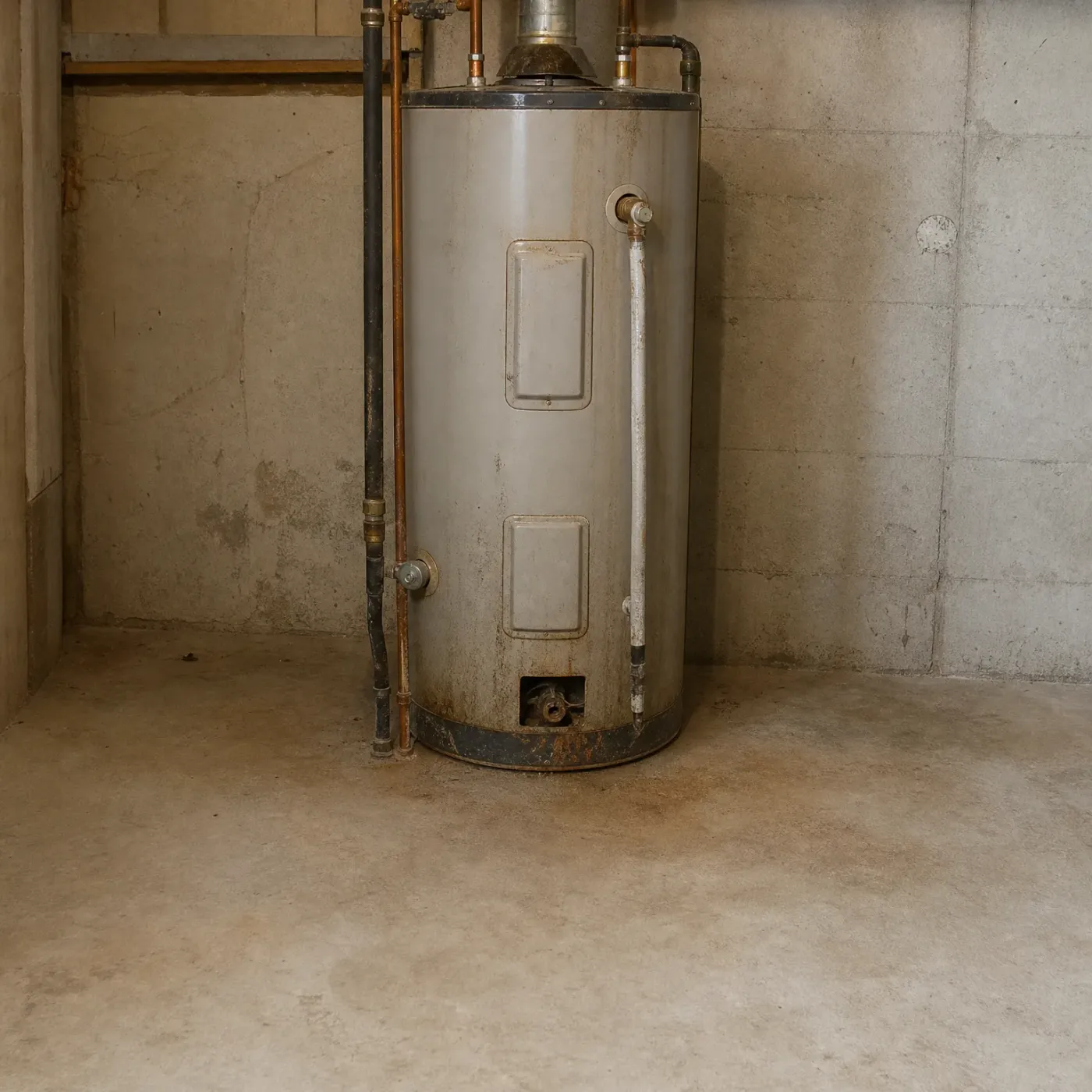
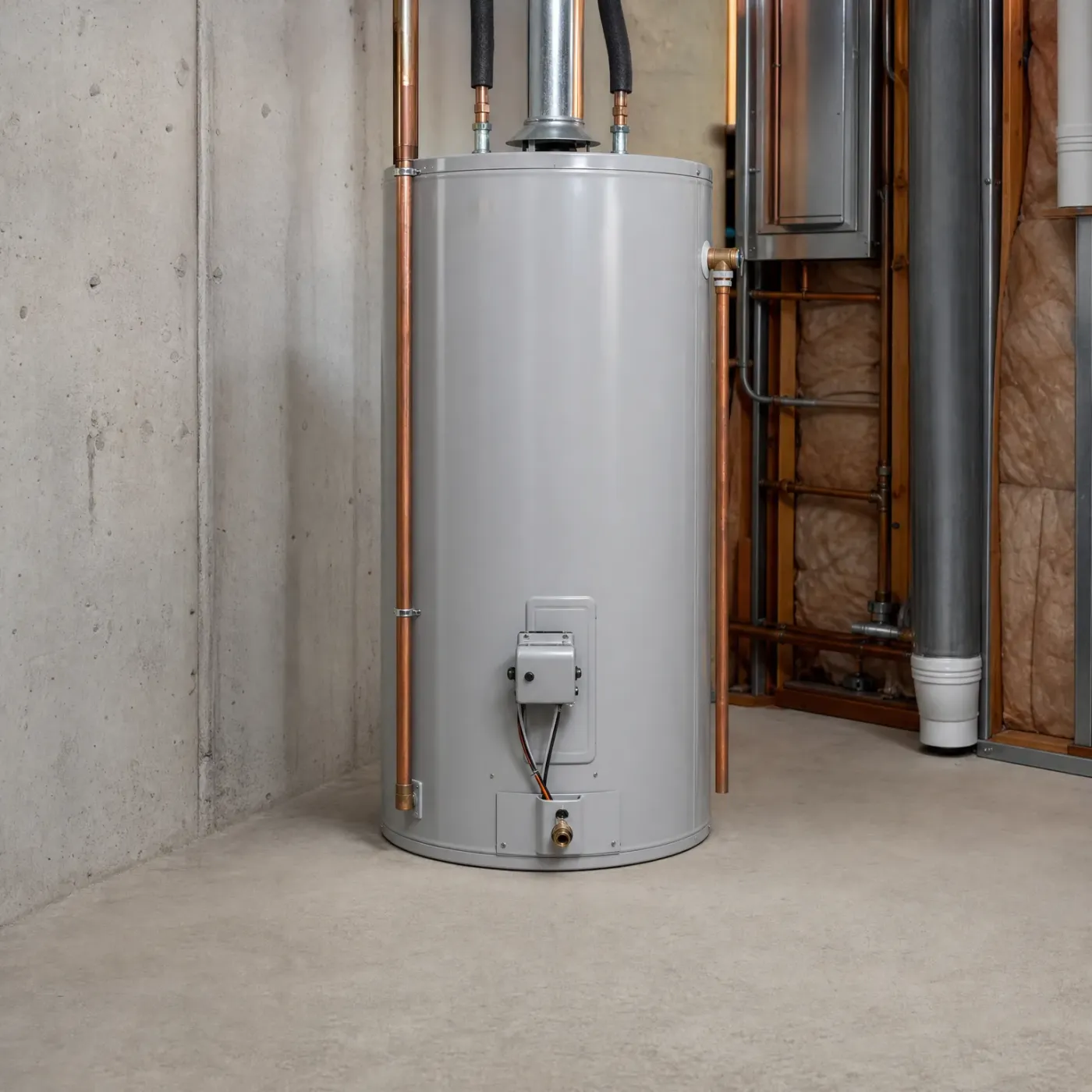

A licensed local installer checks your gas line and vent sizing.
The old tank gets disconnected and drained before removal.
The new tank is set, connected to gas, water and vent.
The installer lights the burner and checks for proper draft.


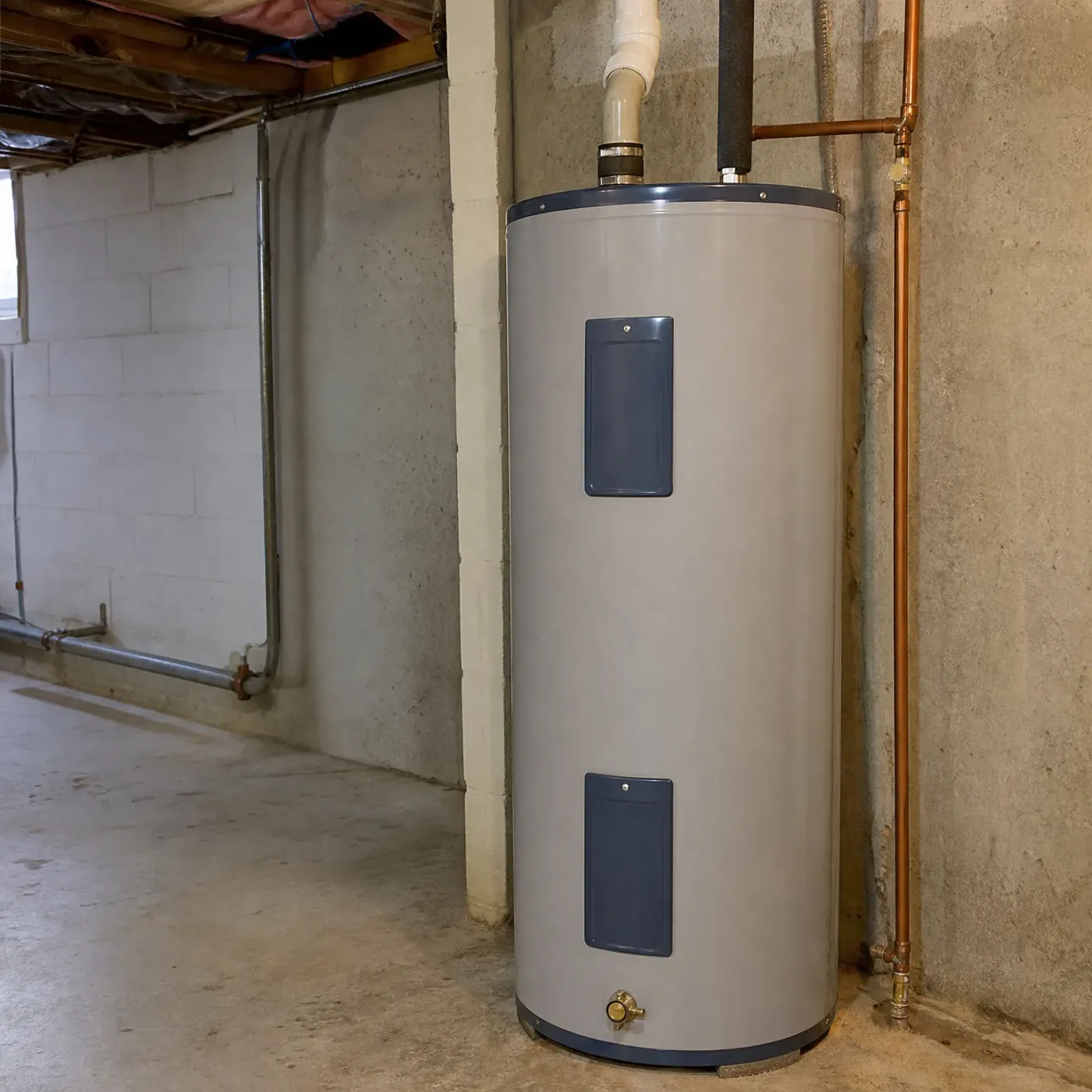
Skip the search
One installer gets your project, so there's no bidding war over it.
Skip collecting and comparing quotes for the new water heater.
No charge to send it. You decide if you hire them.
Is your water heater telling you it's done
If your water heater is still working, you'd notice the signs of it slowing down before it quits outright. Hot water that runs out faster than it used to, with a bigger household feeling it first in back to back showers. A pilot light that won't stay lit, or a burner that takes longer to catch. Rust colored water, or a puddle forming at the base of the tank. Any of these means the tank is on its way out, and waiting until it fails completely means cold showers and a scramble to get someone out same day instead of picking the time that works for you.
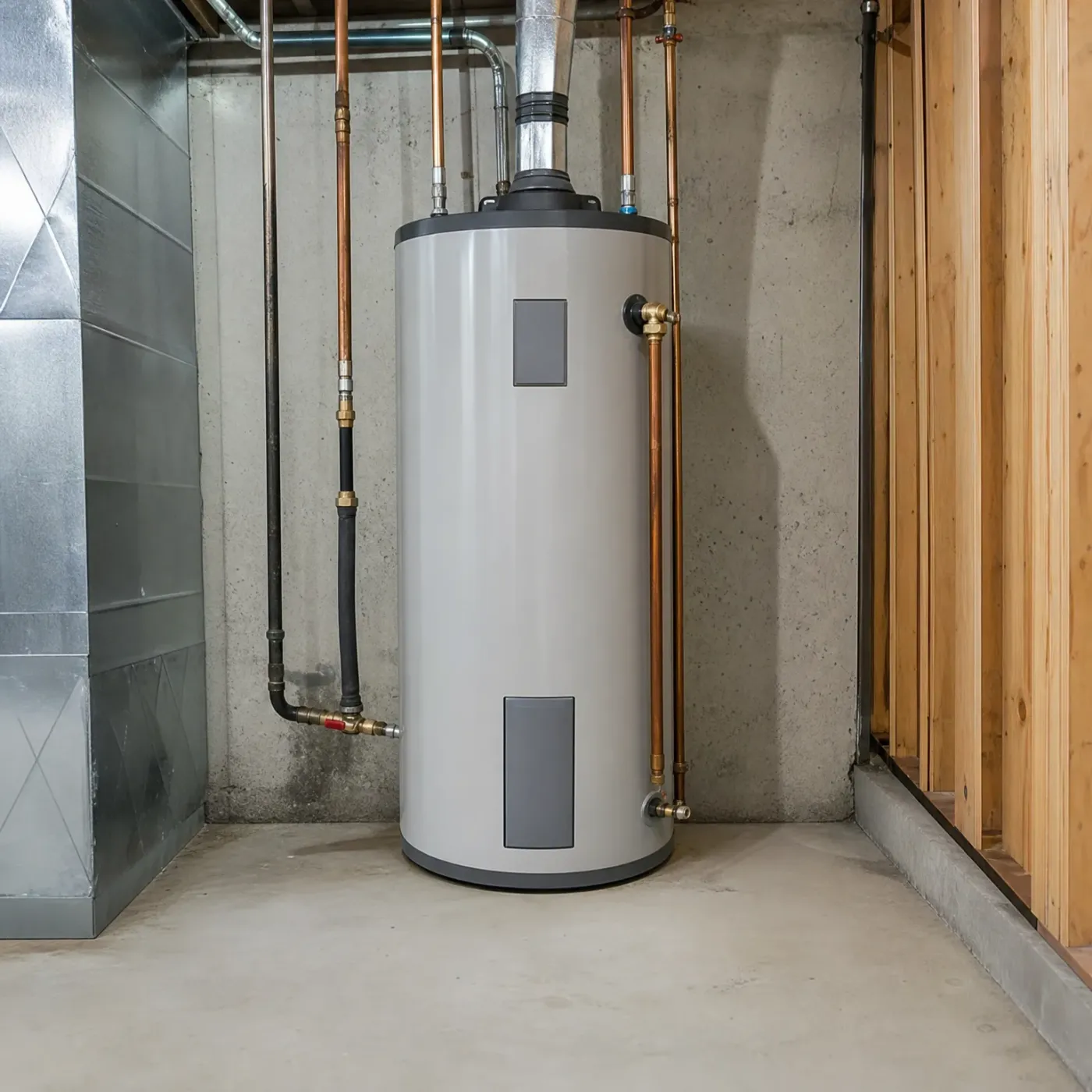
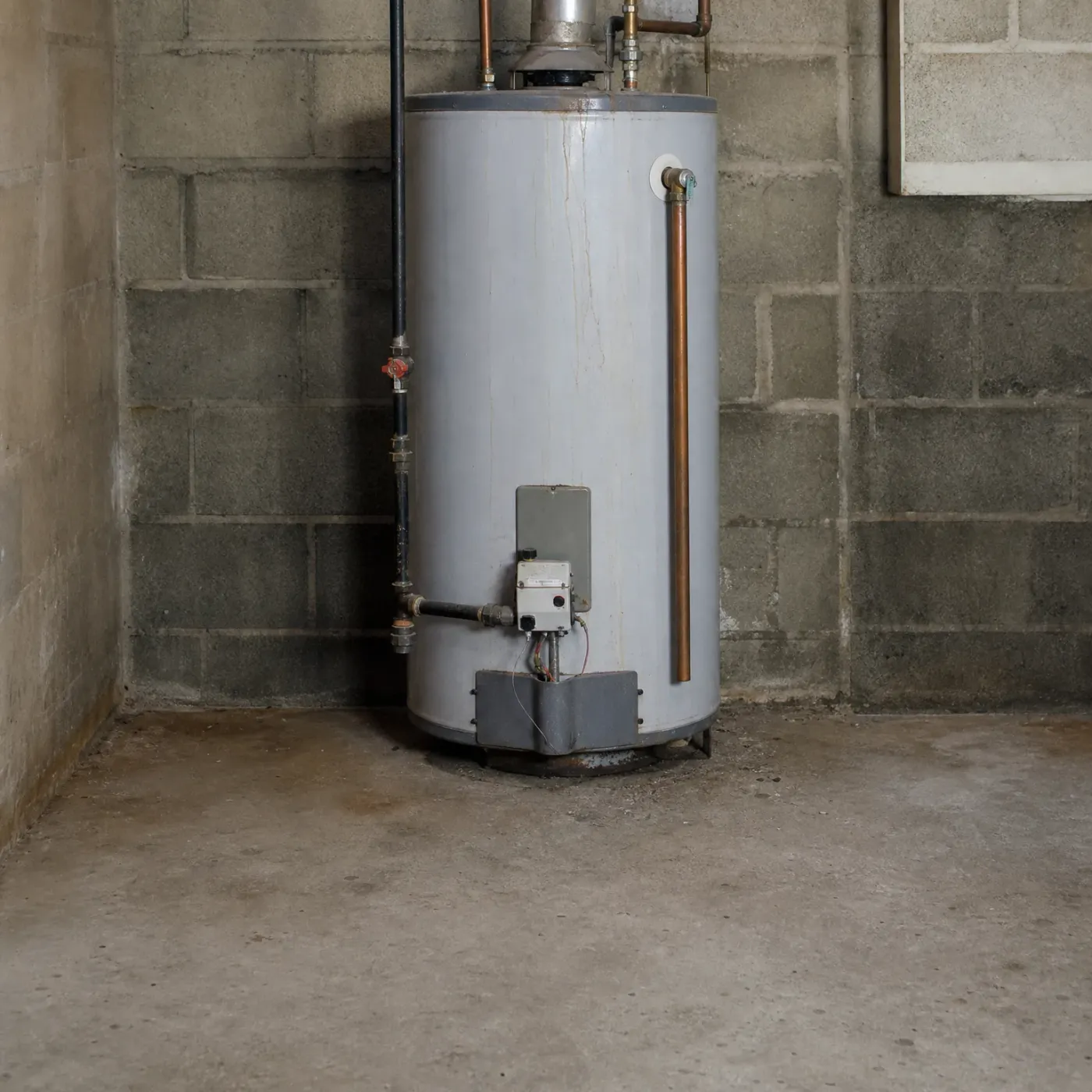
61% of homes statewide heat with gas
With most California homes already set up for gas, a replacement water heater on gas usually means working with the line and vent already there. That's one less thing an installer has to add before your tank goes in.
ACS 2020-2024 5-year B25040
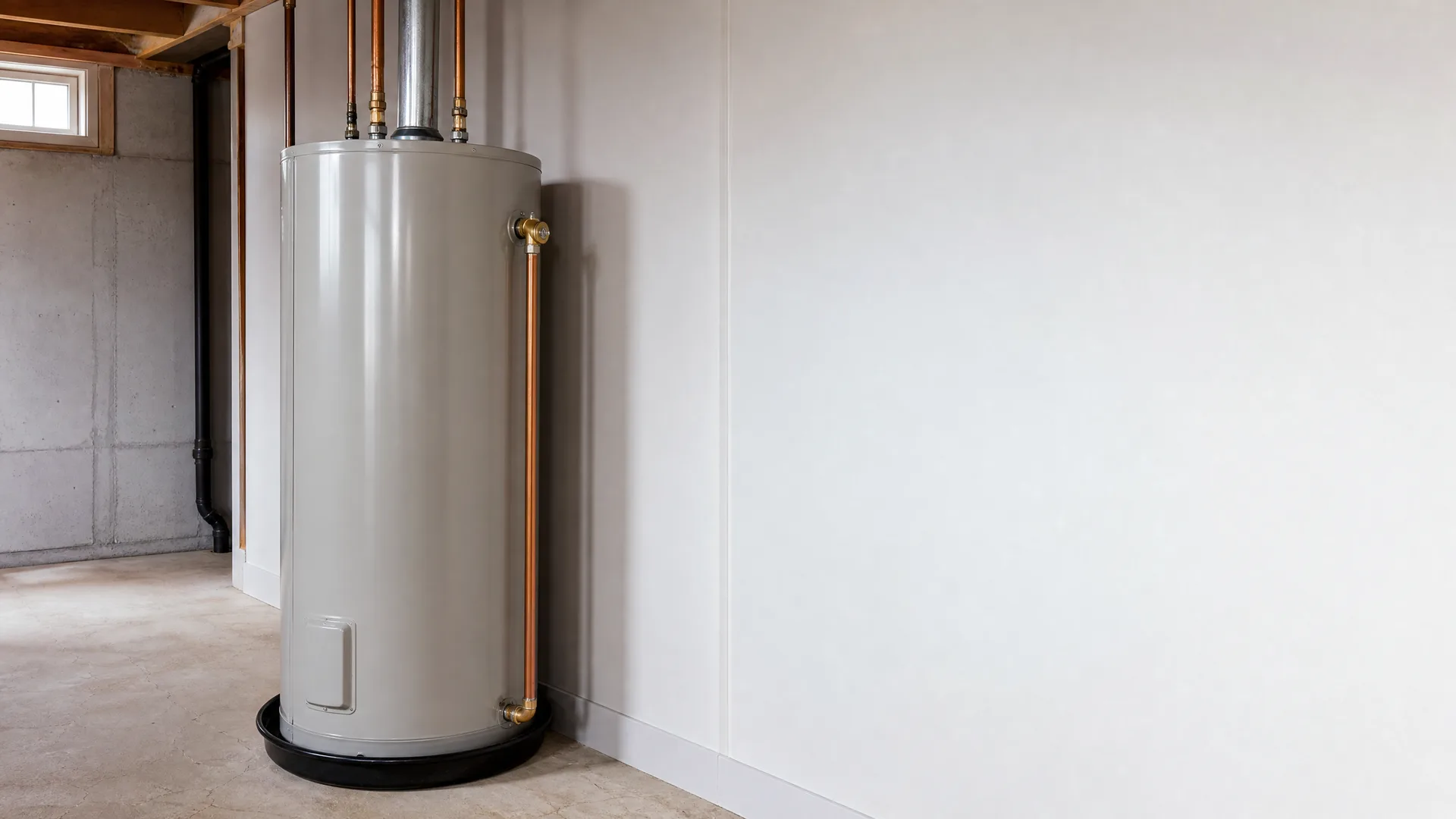
What switching to electric involves
Moving from gas to electric means running a new 240-volt circuit to the water heater, something a gas unit never needed. That circuit has to reach the panel, and the panel has to have room for it. If it doesn't, the installer adds a subpanel or upgrades the service before the tank goes in. None of that is part of a gas-to-gas swap, where the line and vent already do the job.
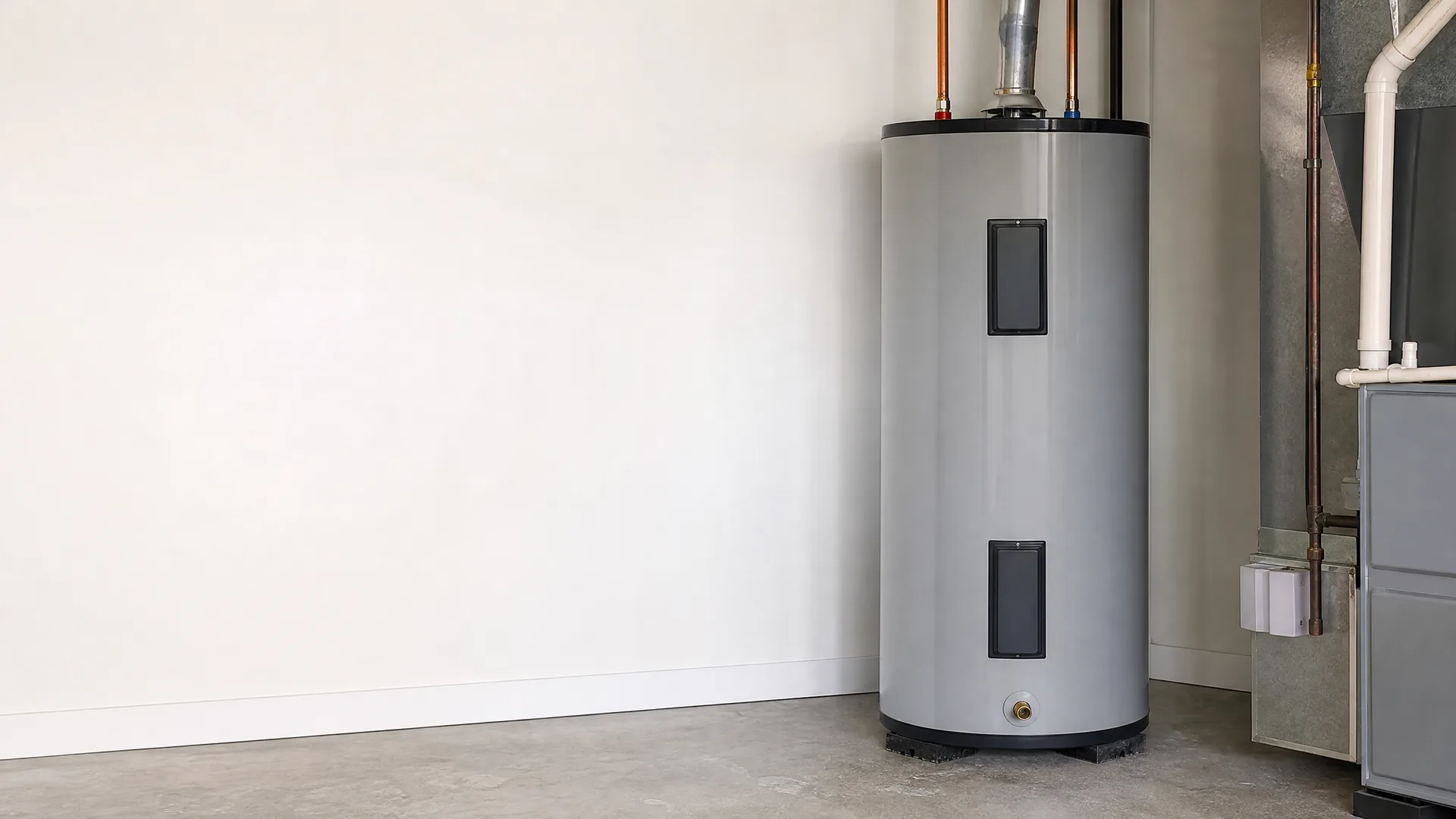
Why the vent still matters
A gas water heater sends exhaust up through a vent to the outside, and that vent has to be sized for the tank connected to it. An installer checks this on every gas replacement, even when the old and new units look alike. A vent that's too narrow or blocked won't carry exhaust out properly, and that's a problem no thermostat setting or tank size fixes on its own.

Gas in, gas out, for most homes here
If your water heater runs on gas now, the line and vent are already sized for it, and staying on gas is the straightforward path. Switching to electric means a new circuit, panel room to run it, and a higher bill after it's in, given what power costs in California. For most homes here, that's not worth taking on.
Once you know which way you're going, the rest is finding someone to size the unit, check the vent, and get it connected right, instead of calling around to a handful of plumbers, explaining the same thing each time, and weighing quotes that don't line up. A licensed local installer who works on these tanks regularly can tell you quickly what your home needs and get the old one out and the new one running.

Explain it one time
Your request goes to one pro, not a list of companies.