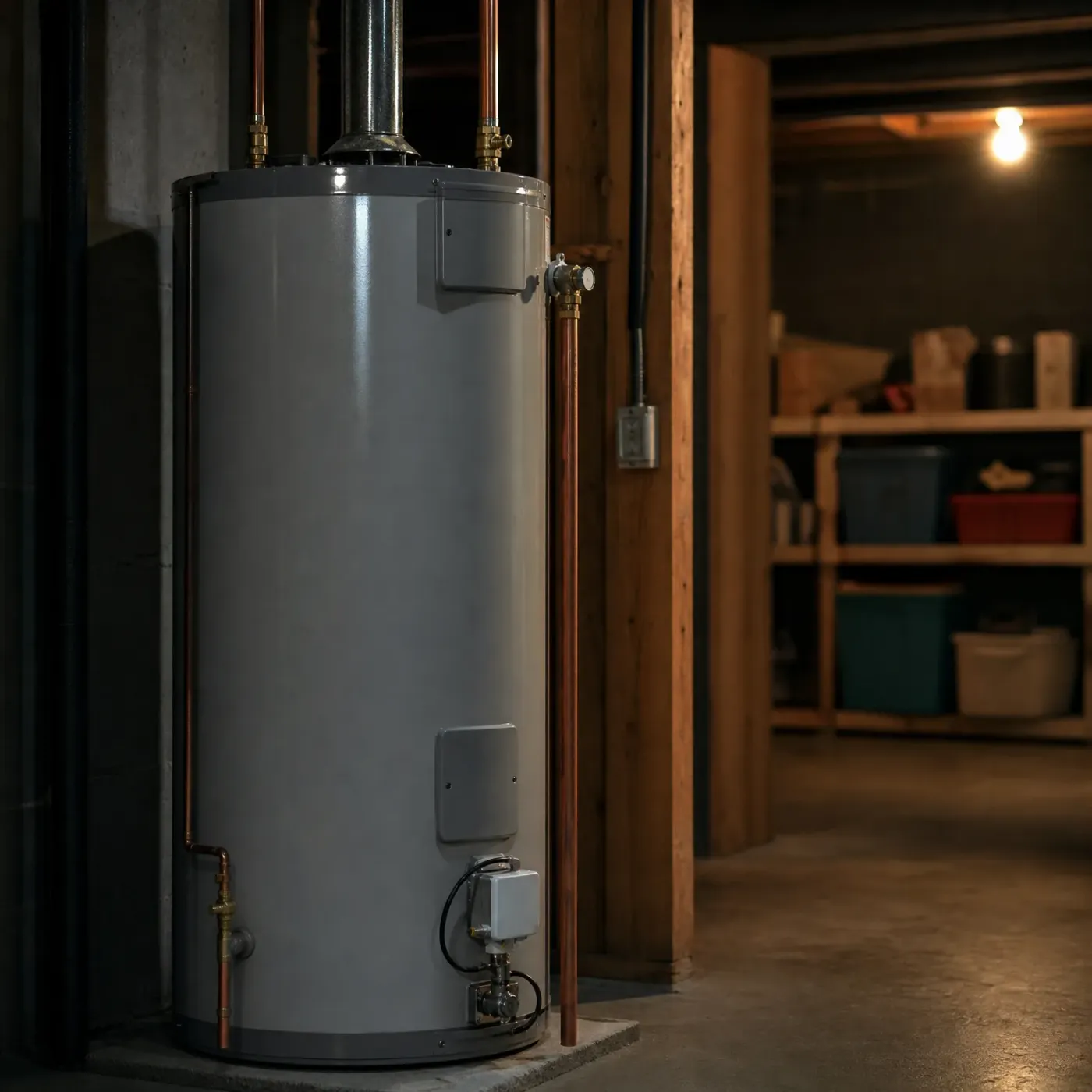





A large gray cylindrical water heater with copper pipes and a metal flue stands on a concrete pad in a dim basement, with wood framing and shelves of storage bins lit by a bare bulb behind it.

A pro who works on water heaters

Signs your water heater needs replacing in California

Most water heaters give you some warning before they quit. Rusty water, a tank that's noisy, water pooling underneath, or hot water that runs out faster than it used to. This page goes through what those signs mean and when they point to a repair versus a new unit. If it looks like yours is done, a licensed local contractor who works on these every week can take a look and tell you for sure.

Match me with a pro

A water heater usually tells you it's failing before it floods your garage or closet. Rust-colored water from the hot tap, a tank that pops or rumbles when it heats, moisture pooling at the base, or hot water that runs out in half the time it used to are the clearest signs. Rust in the water usually means the tank itself is corroding from the inside, and once that starts there's no fix, only replacement. Water under the tank can mean a failed pressure relief valve or a crack in the tank itself, and either one means the unit is done. Most gas water heaters in California last ten to fifteen years, so if yours is in that range and showing any of these signs, it's worth taking seriously rather than waiting for it to fail outright, often at the worst possible time, with water damage added to the cost.

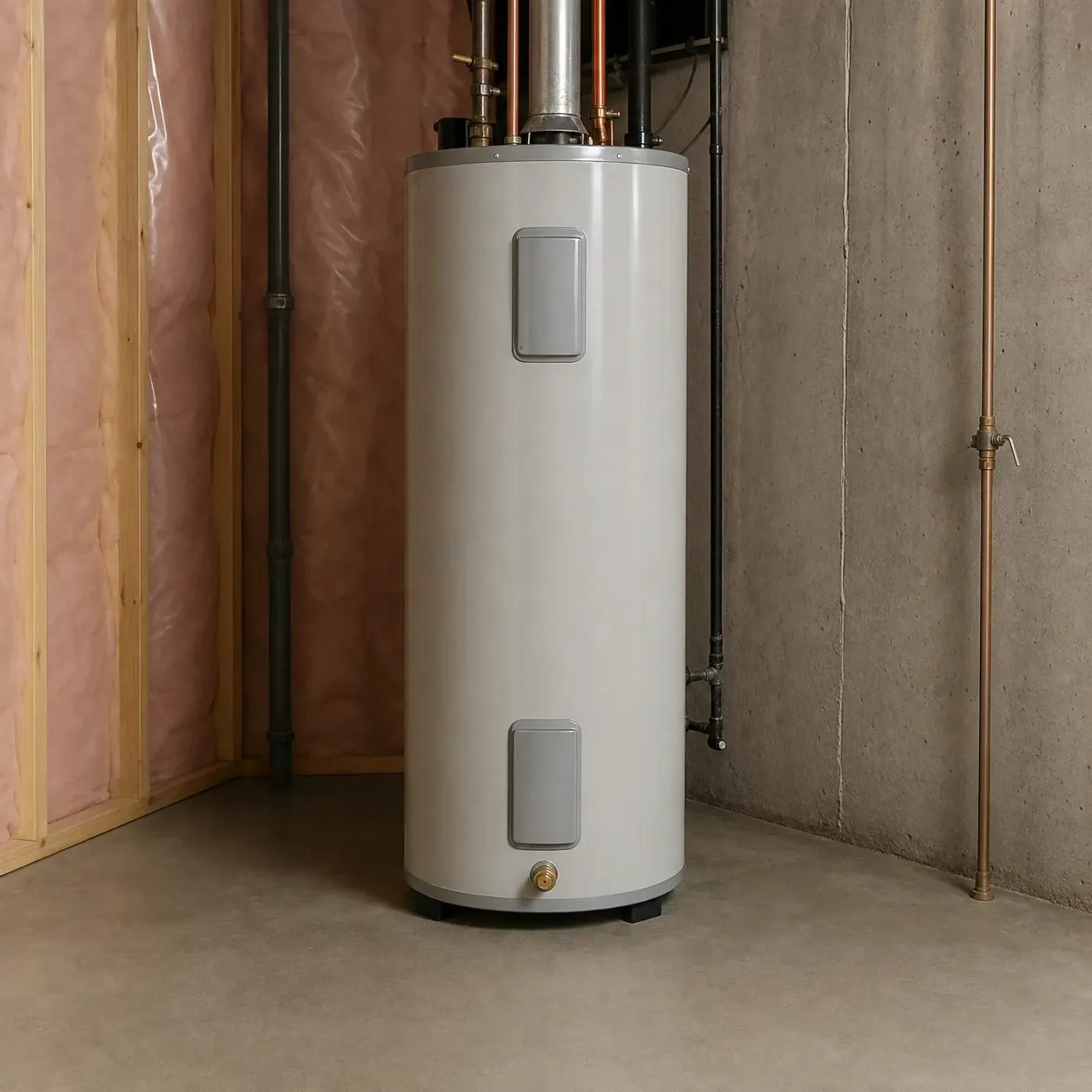
A white cylindrical water heater with two access panels and a brass drain valve stands on a concrete floor in a basement corner, beside a pink-insulated stud wall and a concrete wall with copper and black pipes.
The water here runs clear and heats without complaint, with the connections tight and no rust creeping down the tank.
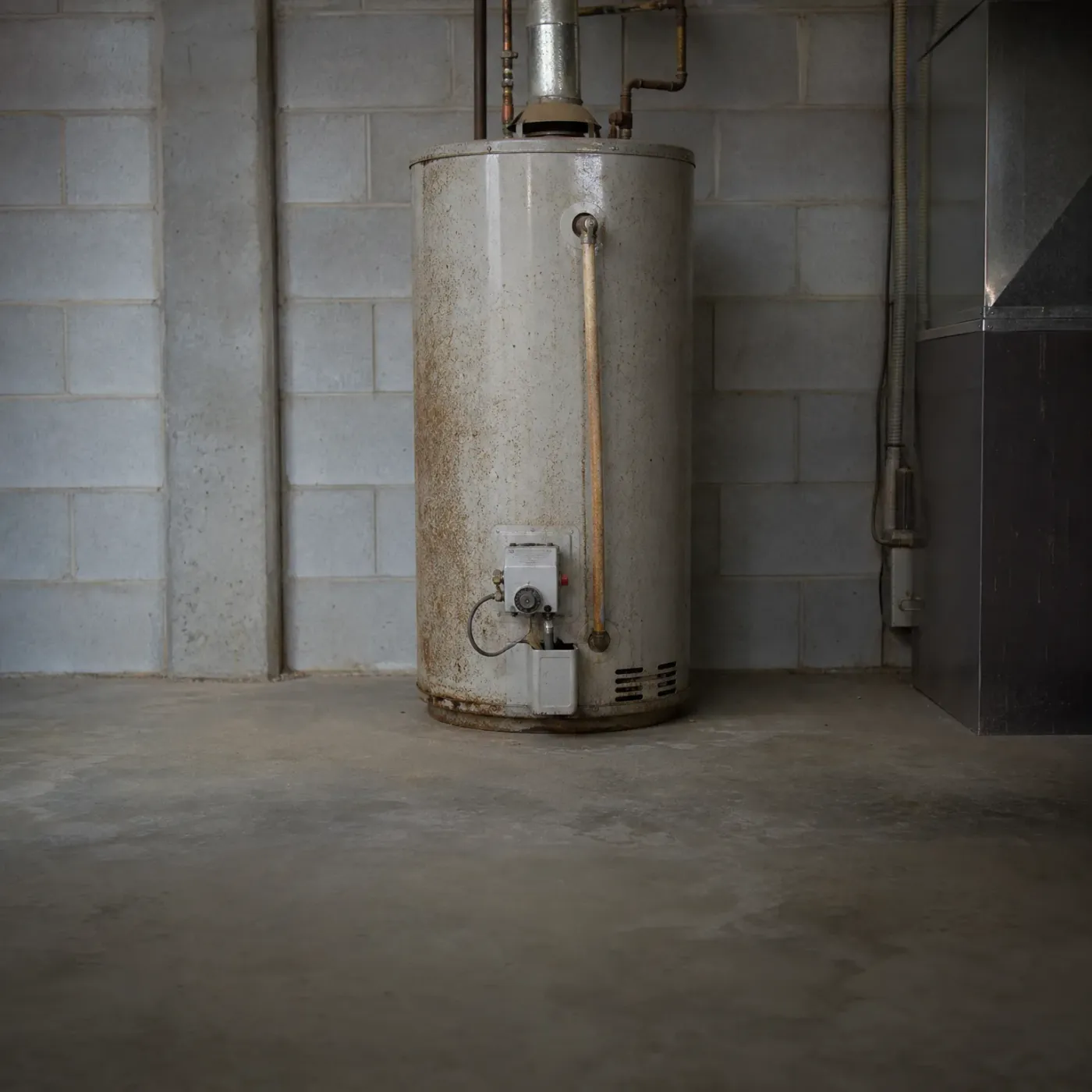
A rusted gas water heater with a flue pipe stands against a concrete block wall on a bare concrete floor, next to a dark metal duct or furnace cabinet at right.
A gas tank this rusted is on borrowed time, and galvanized pipe connections like these are a sign of its age.
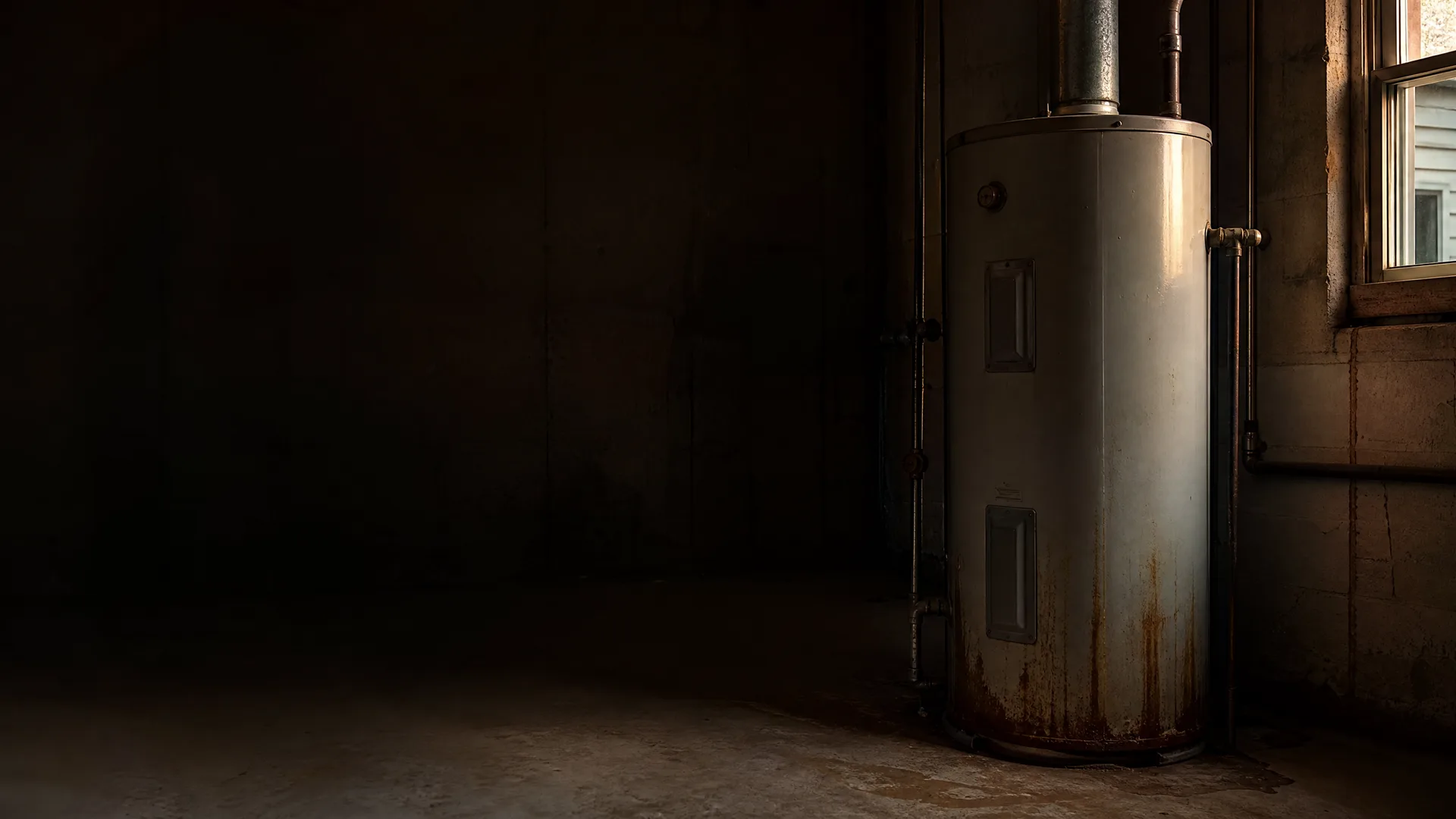
A rusting cylindrical water heater with connected pipes stands against a dim concrete basement wall near a window.

You go out to the utility room after dinner to grab something from the shelf above the water heater. The light's dim, just the one bulb overhead. You notice it almost by accident, a reddish stain creeping across the concrete from the base of the tank, dried at the edges like it's been there a few days. You crouch down and touch the metal near the bottom and it's damp, not wet, but enough. The rust streaks run down from a seam near the drain valve. Upstairs the shower water's been fine, maybe not as hot as it used to get, but nothing you'd have called about. Standing there in the quiet, you figure this is the kind of thing that doesn't wait.

What's your water heater trying to tell you

Check the water first. If it runs rusty or cloudy out of the hot tap only, not the cold, that's coming from inside the tank, not your pipes. Listen to it too. A tank that rumbles or pops when it's heating has sediment baked onto the bottom, and that buildup makes it work harder to heat the same amount of water. Look at the floor around the base for water that wasn't there before, even a little. And pay attention to how far your hot water actually goes. If a shower that used to last works now runs cold halfway through, the tank isn't holding what it used to. Left alone, a tank that's rusting from the inside doesn't get better. It fails, usually at the seams, and when it does it takes whatever's stored nearby with it.

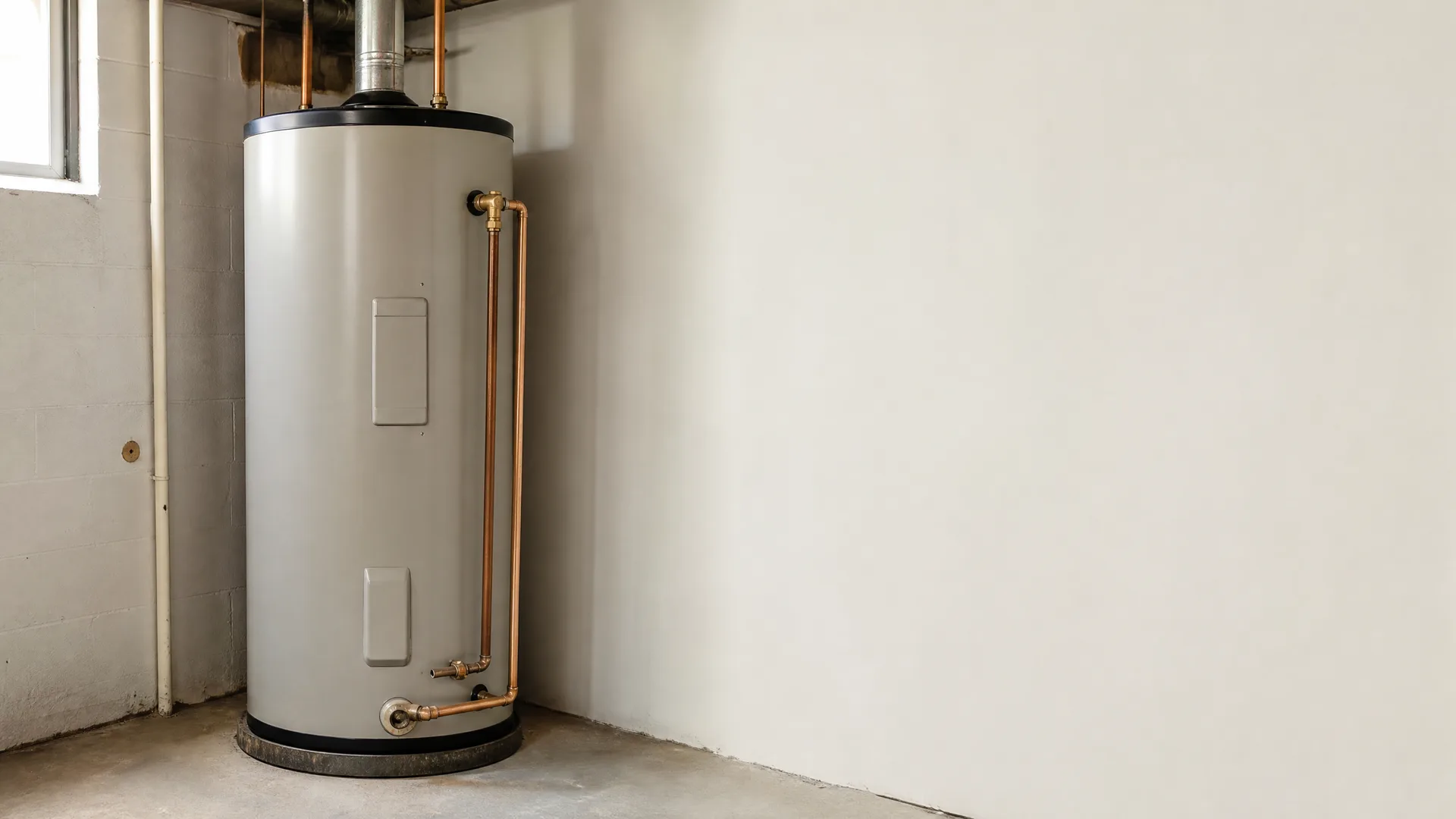
A tall gray cylindrical water heater with copper piping and a flue stands in the corner of an empty basement room with concrete block and painted walls.

Why tanks rust from inside

Most tanks are steel with a glass lining inside, and a rod running down the middle that corrodes on purpose so the tank doesn't. Once that rod is used up, the steel itself starts to go. There's no way to see this happening from outside, and no way to stop it once it starts. Rusty hot water is often the first outside evidence of something that's been building for a while.

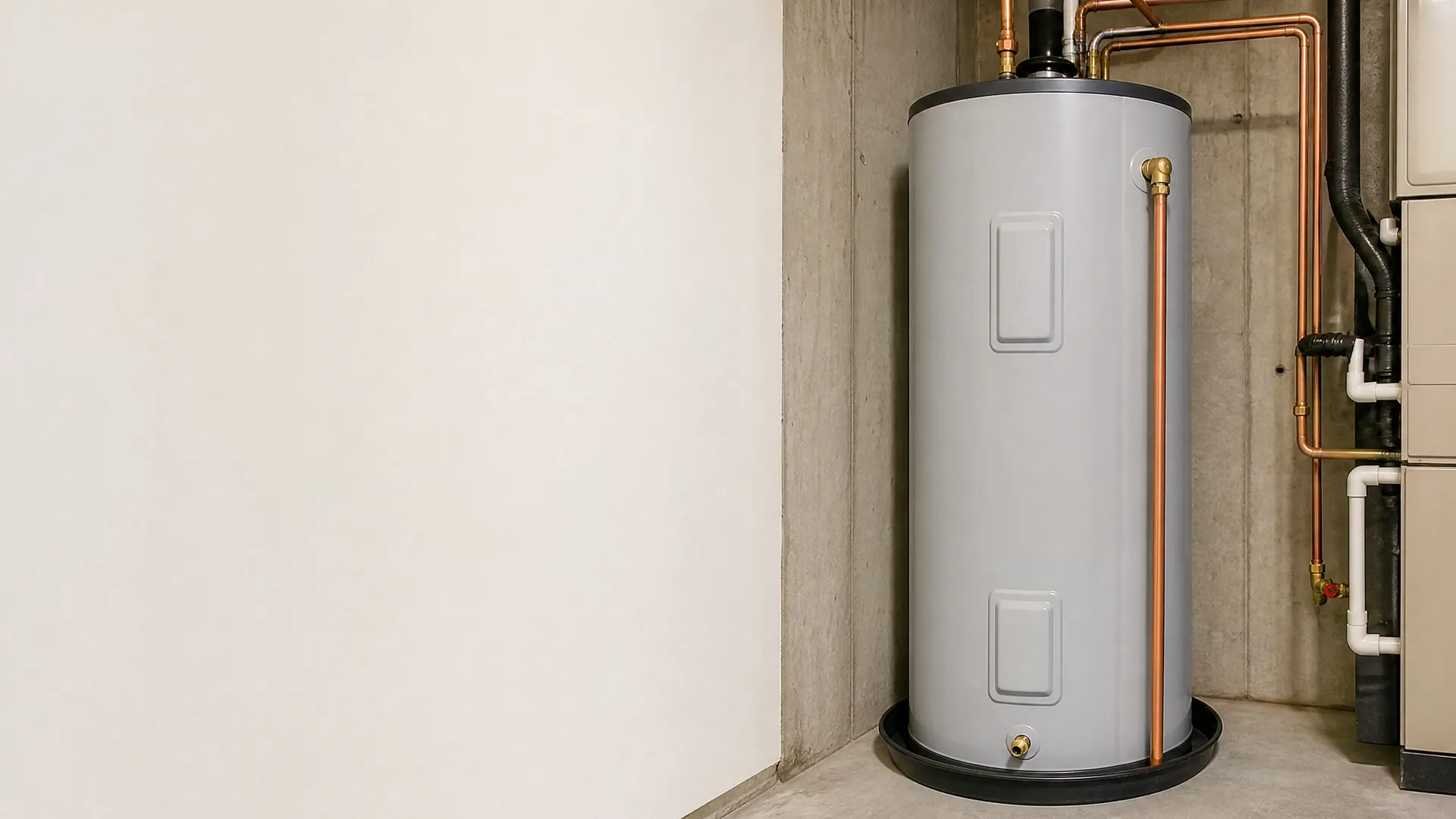
A gray cylindrical water heater stands in a drain pan against a concrete wall, with copper and white pipes running along the wall to the right and a plain light wall on the left.

Sediment builds where you can't see it

Gas water heaters heat from a burner underneath the tank. Hard water leaves minerals behind, and over years that settles into a layer of sediment at the bottom. That layer sits between the flame and the water, so the burner works harder to get the same heat through. It's also what causes the popping and rumbling sound as water gets trapped under the sediment and boils.

61% of homes statewide heat with gas

Most houses in California run a gas water heater, same as the furnace. Gas units heat faster and recover quicker between showers, but the tank still corrodes from the inside the same way any tank does. Rust in the hot water or a popping sound means age is catching up with it, not the gas line.

ACS 2020-2024 5-year B25040

A man with grey hair and stubble in a dark sweater sits on a grey sofa indoors, looking off to the side, with a potted plant and a sunlit window behind him.
A man with gray hair, a beard and glasses, wearing a dark green sweater, sits on a gray sofa in a sunlit living room with a potted plant, table lamp and wooden sideboard behind him.
A middle-aged man with graying hair and a short beard sits on a blue sofa in a living room, looking toward a window, with a bookshelf, lamp and framed picture in the background.
A man with graying curly hair and a dark green sweater sits on a gray sofa in a sunlit living room, looking off to the side, with a framed picture, shelving, an armchair and a window with sheer curtains behind him.

Get your water heater to the right pro

One installer gets your project, so there's no bidding war over it.

Asking costs nothing, and the choice to hire stays yours.

When a repair still makes sense

If the tank itself is sound and what's failing is a part, a thermocouple, a heating element, a gas control valve, replacing that part can buy years back. A unit under ten years old with no rust in the water and no corrosion on the tank is usually worth fixing. The cost of a repair is small next to a full replacement, and a good contractor will tell you plainly if that's where you stand. This is the case where calling someone out to look at it first, rather than assuming the worst, saves you money.
When replacing is the honest answer

Once the tank is rusting from inside, no part swap fixes that. The steel is going, and it will keep going until it leaks. A unit past the age most water heaters last, or one already showing rust in the hot water, pooling at the base, or popping as it heats, is past the point where repair makes sense. A licensed installer who works on these every week can tell you quickly which side you're on, and if it's this side, getting the new one in before the old one fails on its own is worth the trouble.

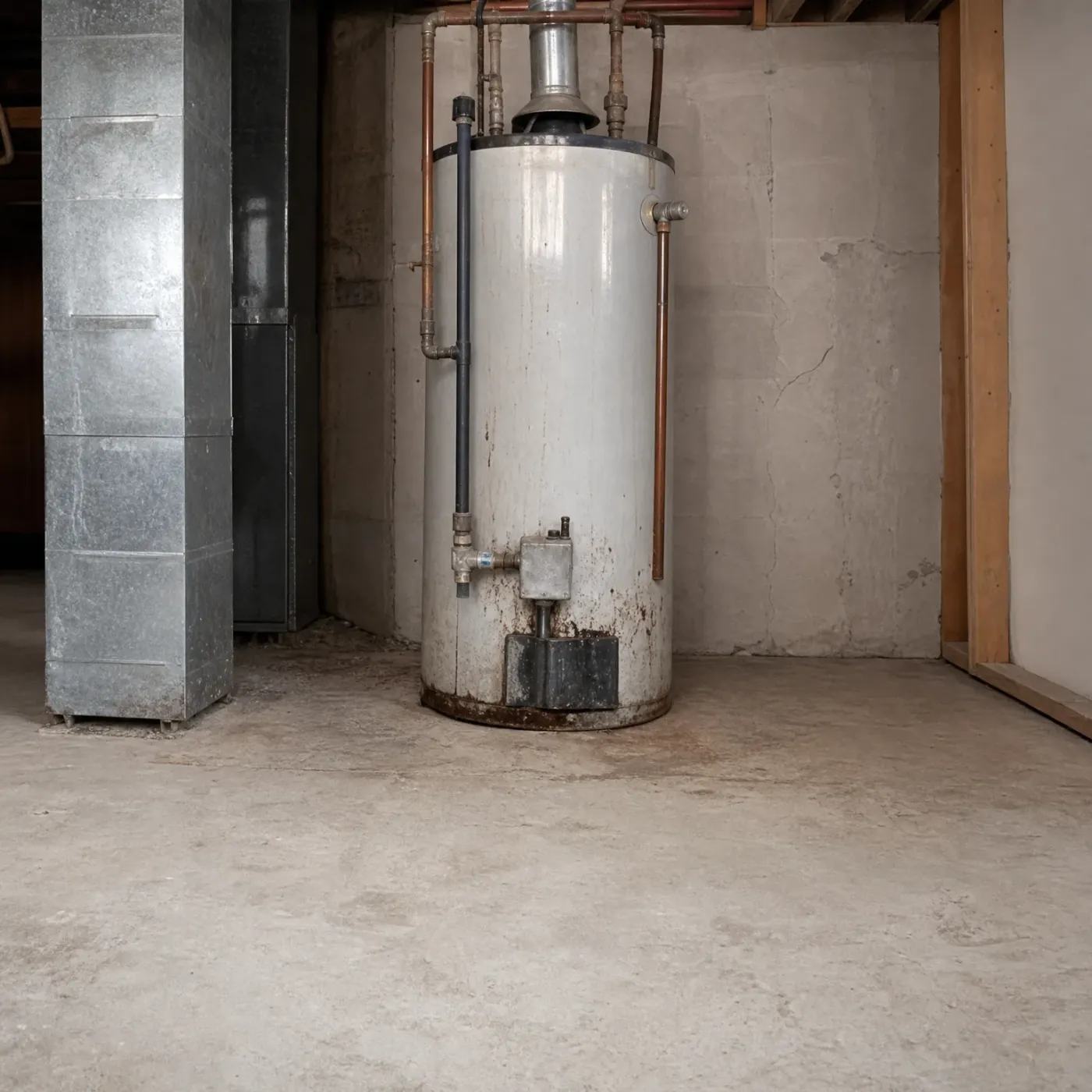
An old rusting cylindrical gas water heater with copper and steel pipes and a flue stands against a concrete basement wall beside metal ductwork on a bare concrete floor.
Before you get your water heater installation
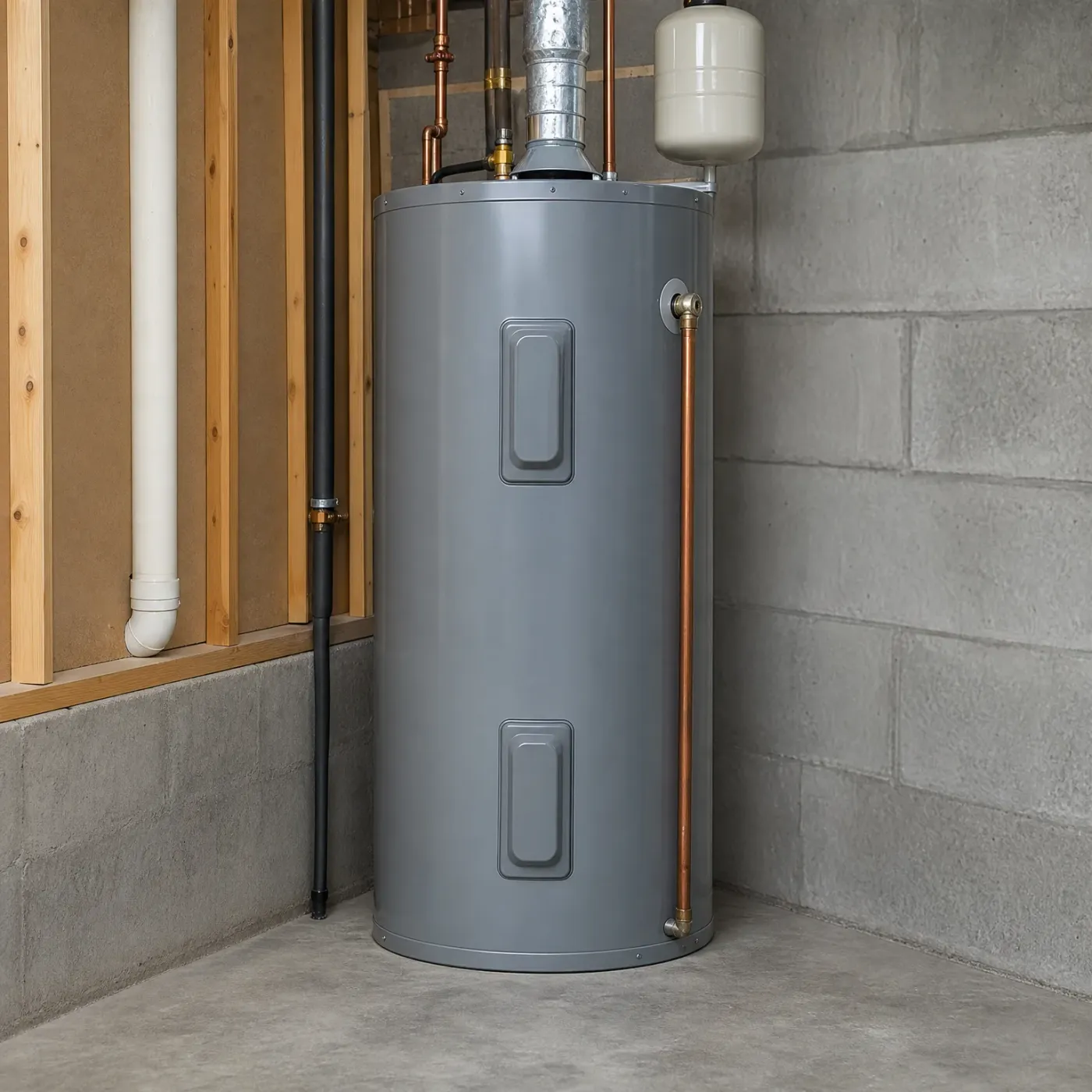
A gray cylindrical water heater with copper piping and an expansion tank stands in a basement corner beside a concrete block wall and exposed wood framing.
After you get your water heater installation

Repair the part

A thermocouple, heating element, or gas valve can be swapped out on its own. If the tank itself isn't rusted or leaking, this is often the shorter path back to hot water.

Find my pro

Replace the tank

Once the tank is rusting or the water pools underneath, no part fixes that. A contractor who installs these every week can size the new one right and get it running.

Find my pro
A woman in a cream cardigan and jeans stands with one hand raised facing an open front door of a gray horizontal-siding house, with a black lantern wall light, a potted shrub with yellow flowers, and a stone-faced porch column.

Rust in the water, a tank that pops, or water pooling at the base means the tank is the problem, not a part

A water heater that's actually failing shows you in one of those ways. Not a guess, not a maybe. Rusty hot water, popping or rumbling, moisture at the base. If you're seeing one of those, you have your answer, and if you're not, whatever else is wrong is probably a part worth fixing instead.

A gas water heater in California works the tank the same way every other one does, corroding from the inside until the rod that protects it is spent. Once you know which sign you're looking at, the next useful step is someone who can look at the actual tank and tell you which it is. A local contractor who installs these year-round has seen what a tank this age usually needs, and when you're matched with one, it's a single contractor reaching out to you about your unit, not a handful of companies working from the same form.

A living room corner with a beige upholstered armchair holding navy and striped cushions, a small round wooden side table with a carved bowl and a potted green plant, a framed landscape picture on a pale wall, built-in shelving, and a curtained window.
A woman with shoulder-length brown hair wearing a beige knit cardigan sits in a gray upholstered armchair near a window, looking off to the side with a slight smile, with bookshelves blurred in the background.
A woman with her hair in a bun holds a sleeping young child against her chest, both wrapped in a textured beige knit blanket on a sofa in a dimly lit room with a lamp, framed picture, and bookshelf behind them.

Water Heater Installation

Matched to your water heater job

Your request stays with one local pro.

A black-framed smartphone standing upright against a plain white background, its screen filled with solid green.
Step 1 of 3: Equipment