Tell us about the job
Takes about a minute. No obligation.
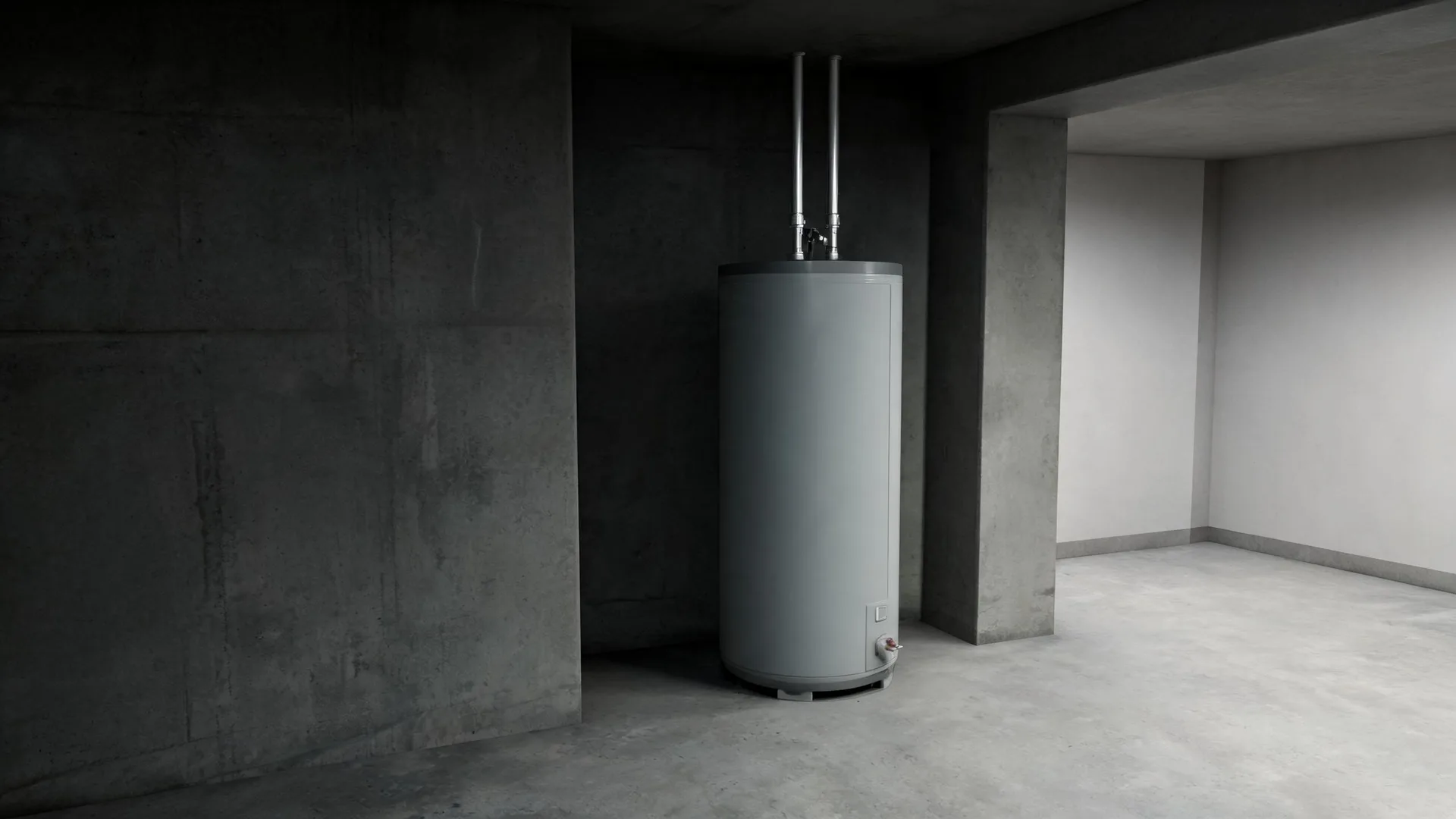
A contractor quoting a water heater replacement in San Benito County establishes what fuel the house runs on before anything else, because that single fact decides the venting path, the combustion air supply, and which equipment codes permit. Utility gas heats more occupied homes in San Benito County, California than any other fuel, at 61.2% (2020-2024 ACS 5-year). A gas-fired water heater draws combustion air from the space around it and exhausts through a flue sized to the burner, and both of those have to be right from day one. A poorly vented installation does not degrade slowly; the burner runs dirty from the first cycle. Sizing the tank is the easier half of the job.
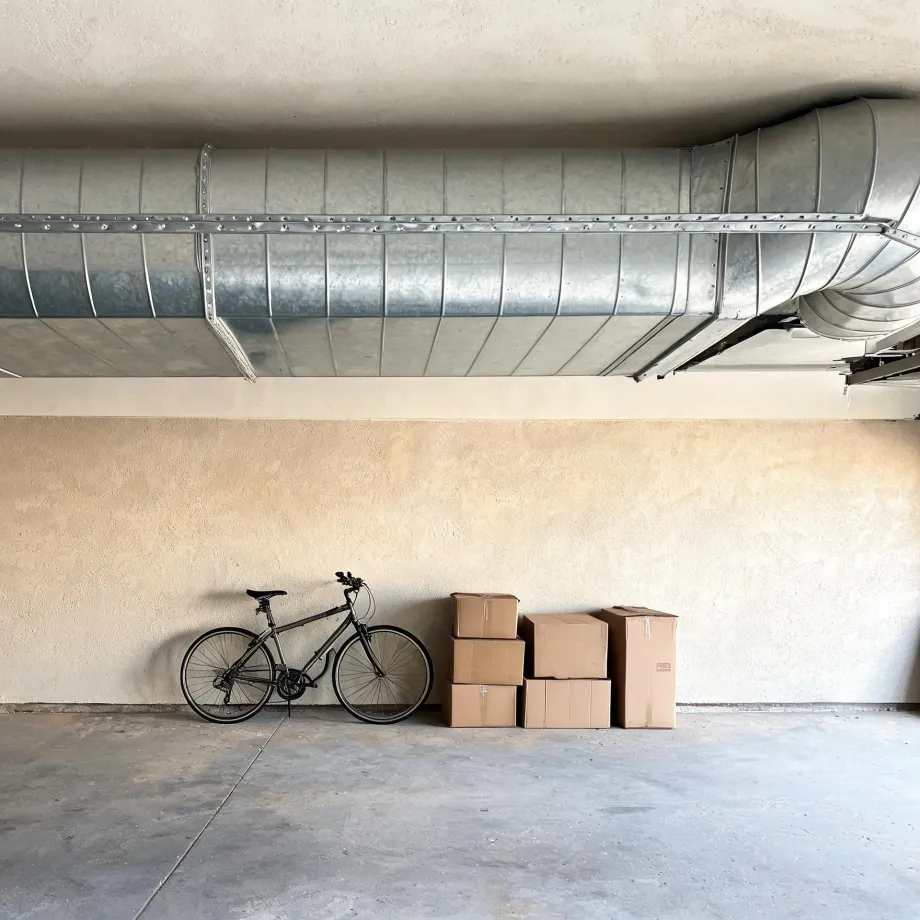
The electrical service panel is often what drives the price on a water heater installation here, before a unit is ever chosen. Half the homes in San Benito County, California were built in 1989 or earlier (2020-2024 ACS 5-year). Houses built by that point were wired for equipment that drew far less than what runs in them now, and a service panel sized for that older load frequently has no room for a modern electric water heater without an upgrade first. A contractor pricing the job will check the panel before quoting anything else.
What a Water Heater Installation Covers
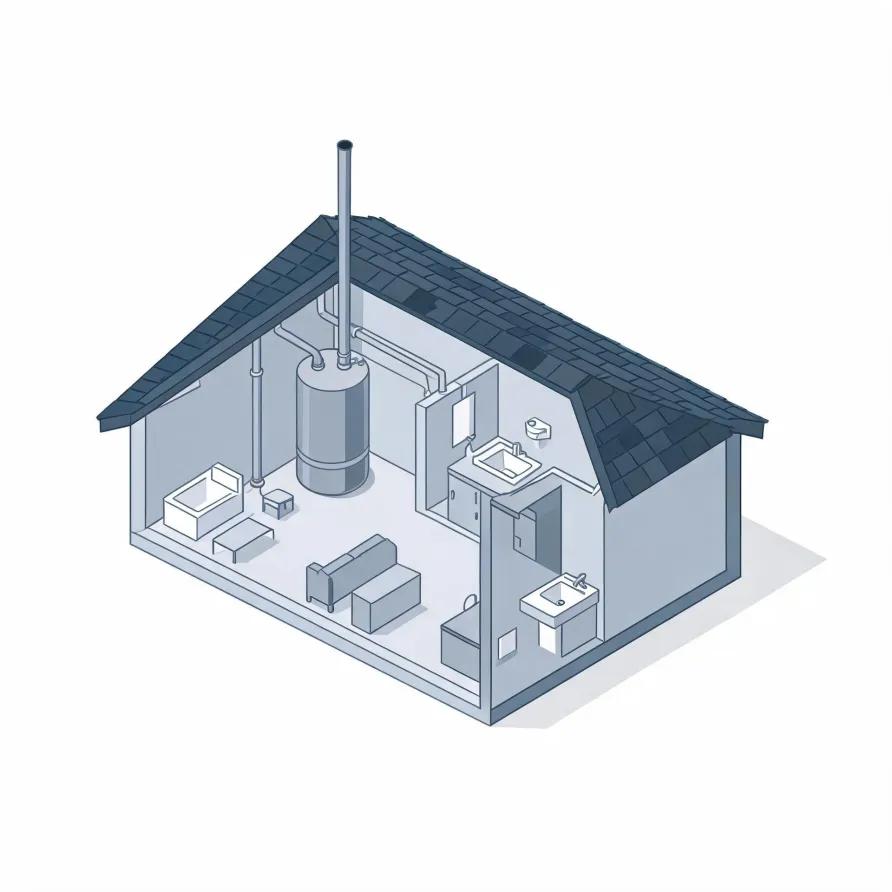
The tank or tankless unit is the heart of the system. A storage tank sits in a utility closet, garage, or basement and holds a ready supply of hot water. A tankless unit mounts to a wall and heats water only when a tap opens, taking up far less floor space.
A pressure relief valve attaches directly to the tank and opens if pressure inside climbs past a safe level. The cold supply line feeds water in, the hot outlet line carries it out to the rest of the house, and a drain valve at the base lets a contractor flush sediment or service the unit.
The drawing shows a typical layout, and a licensed contractor determines which components and configurations apply to your specific home.
Find a contractor in San Benito CountySan Benito County, by the numbers
47 severe weather events were recorded in San Benito County, California between 2015 and 2024.
NOAA National Centers for Environmental Information, Storm Events Database, bulk CSV export, events 2015-01-01 through 2024-12-31.Half the homes in San Benito County, California were built in 1989 or earlier (2020-2024 ACS 5-year).
U.S. Census Bureau, 2020-2024 American Community Survey 5-Year EstimatesSan Benito County, California holds 21,322 housing units (2020-2024 ACS 5-year).
U.S. Census Bureau, 2020-2024 American Community Survey 5-Year EstimatesOwners occupy 67.9% of the occupied homes in San Benito County, California (2020-2024 ACS 5-year).
U.S. Census Bureau, 2020-2024 American Community Survey 5-Year EstimatesSevere Weather Events in San Benito County
Extreme weather puts real stress on water heating equipment, driving harder cycling, faster wear, and unplanned demand. How much of that pressure a system faces depends on where it sits, which makes local conditions a practical factor in any installation decision.
47 severe weather events, 2016–2024. Source: NOAA National Centers for Environmental Information, Storm Events Database.