Tell us about the job
Takes about a minute. No obligation.
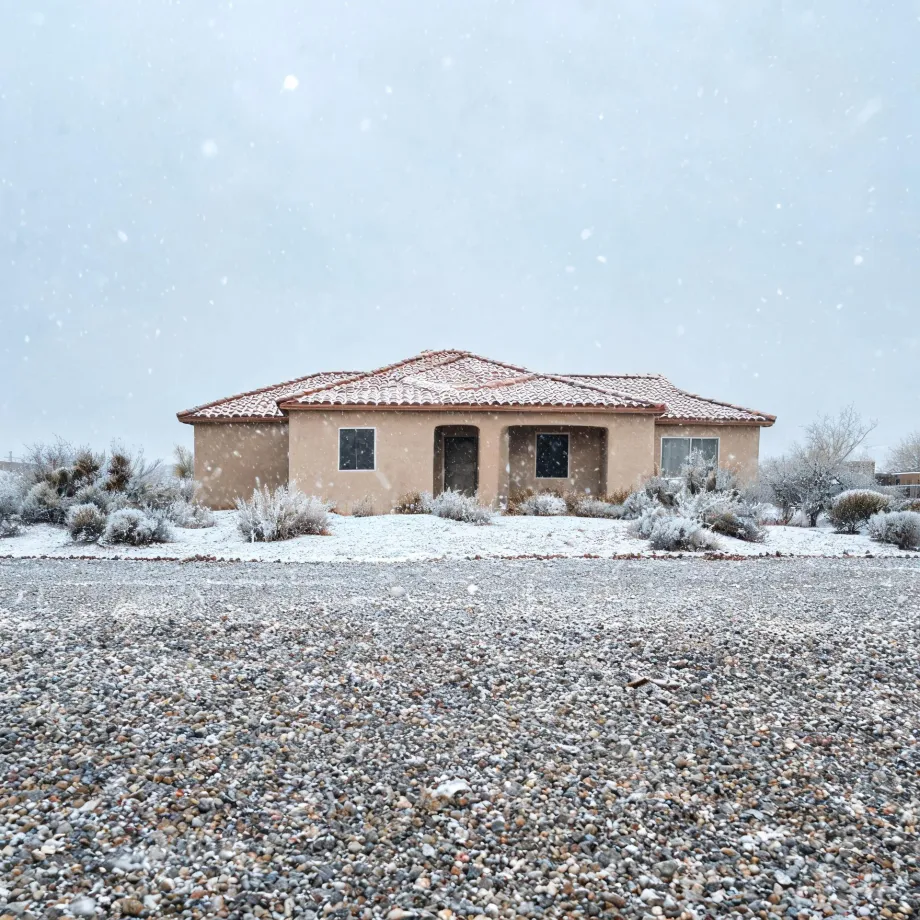
A gas water heater replacement here starts with venting, not the tank. Utility gas heats more occupied homes in Alameda County, California than any other fuel, at 65.2% (2020-2024 ACS 5-year). That share means most homes already have a gas line and a flue, but a contractor has to inspect both before sizing a replacement: existing venting may be too narrow, too long, or improperly pitched for a higher-efficiency unit. Combustion air supply gets checked at the same time. A new water heater that vents and breathes correctly will run as designed; one dropped in without those checks can backdraft or short-cycle from day one.
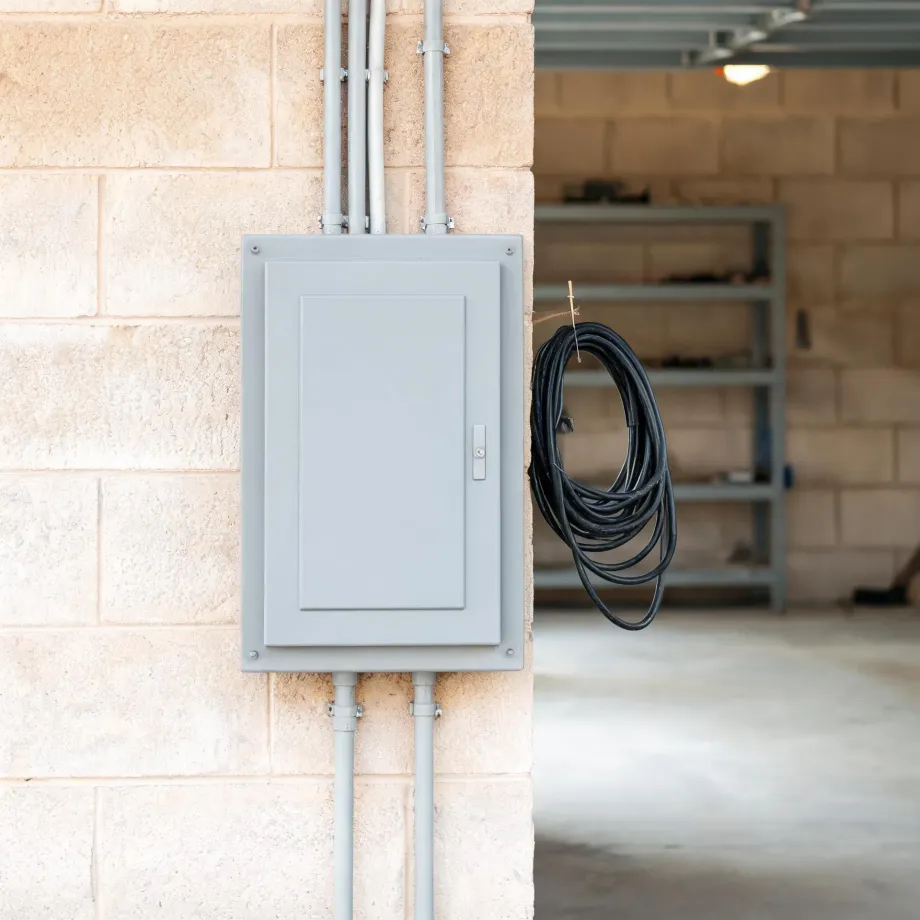
Ductwork sized and routed for equipment that has not been manufactured in a long time shapes what a water heater installation actually requires here. Half the homes in Alameda County, California were built in 1969 or earlier (2020-2024 ACS 5-year). That gap between when the house was built and what a contractor is now putting into it is where the real scope lives. Some duct runs will carry a new unit without alteration; others will not, and the electrical service may need attention before anything else can proceed. A contractor working in this county opens walls and reads what is there before any price is set.
What a Water Heater Installation Covers
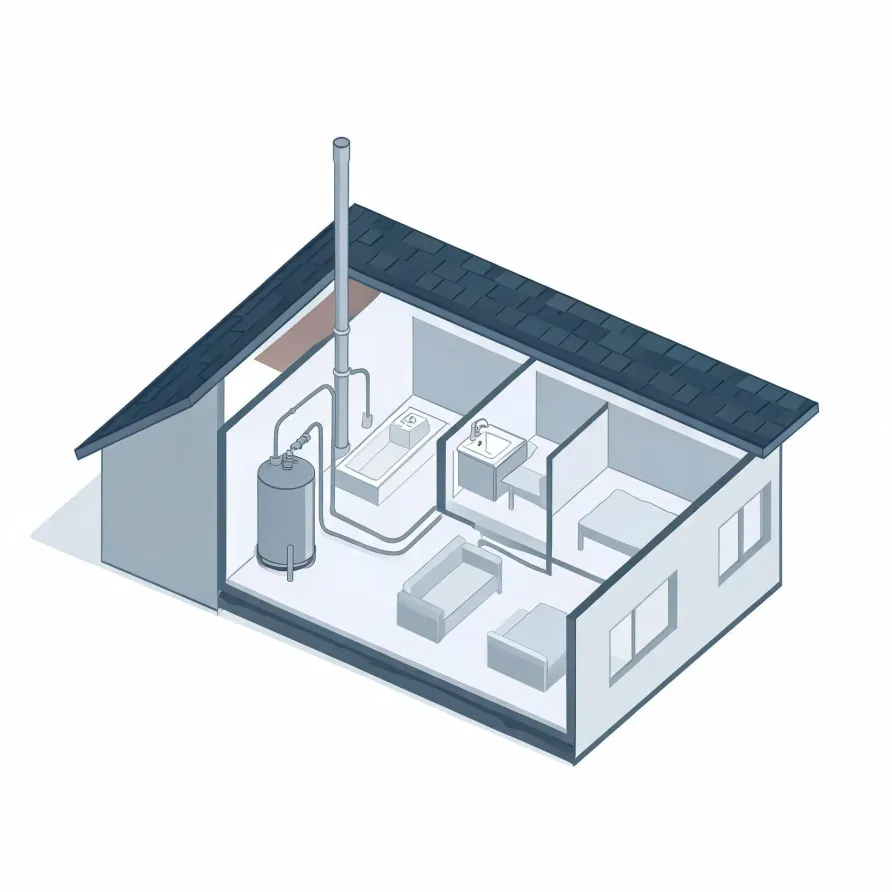
The tank or tankless unit is the heart of the system. A storage-tank heater sits in a utility closet, basement, or garage and holds a reservoir of hot water ready to go. A tankless unit mounts on a wall and heats water as it passes through, taking up far less floor space.
A pressure relief valve attaches directly to the tank and opens if pressure inside climbs too high. The cold supply line feeds water in at the bottom, while the hot outlet line carries heated water out to every fixture in the house. A drain pan sits beneath the unit to catch any leaks before they reach the floor.
The drawing shows a typical layout, and a licensed contractor determines exactly what applies to your home and its existing setup.
Find a contractor in Alameda CountyAlameda County, by the numbers
186 severe weather events were recorded in Alameda County, California between 2015 and 2024.
NOAA National Centers for Environmental Information, Storm Events Database, bulk CSV export, events 2015-01-01 through 2024-12-31.Half the homes in Alameda County, California were built in 1969 or earlier (2020-2024 ACS 5-year).
U.S. Census Bureau, 2020-2024 American Community Survey 5-Year EstimatesAlameda County, California holds 637,212 housing units (2020-2024 ACS 5-year).
U.S. Census Bureau, 2020-2024 American Community Survey 5-Year EstimatesOwners occupy 54.4% of the occupied homes in Alameda County, California (2020-2024 ACS 5-year).
U.S. Census Bureau, 2020-2024 American Community Survey 5-Year EstimatesSevere Weather Events in Alameda County
Weather puts a workload on water heating equipment that varies county by county. How hard that equipment has to work over its lifetime is partly a local question, shaped by what the climate here actually does.
186 severe weather events, 2015–2024. Source: NOAA National Centers for Environmental Information, Storm Events Database.