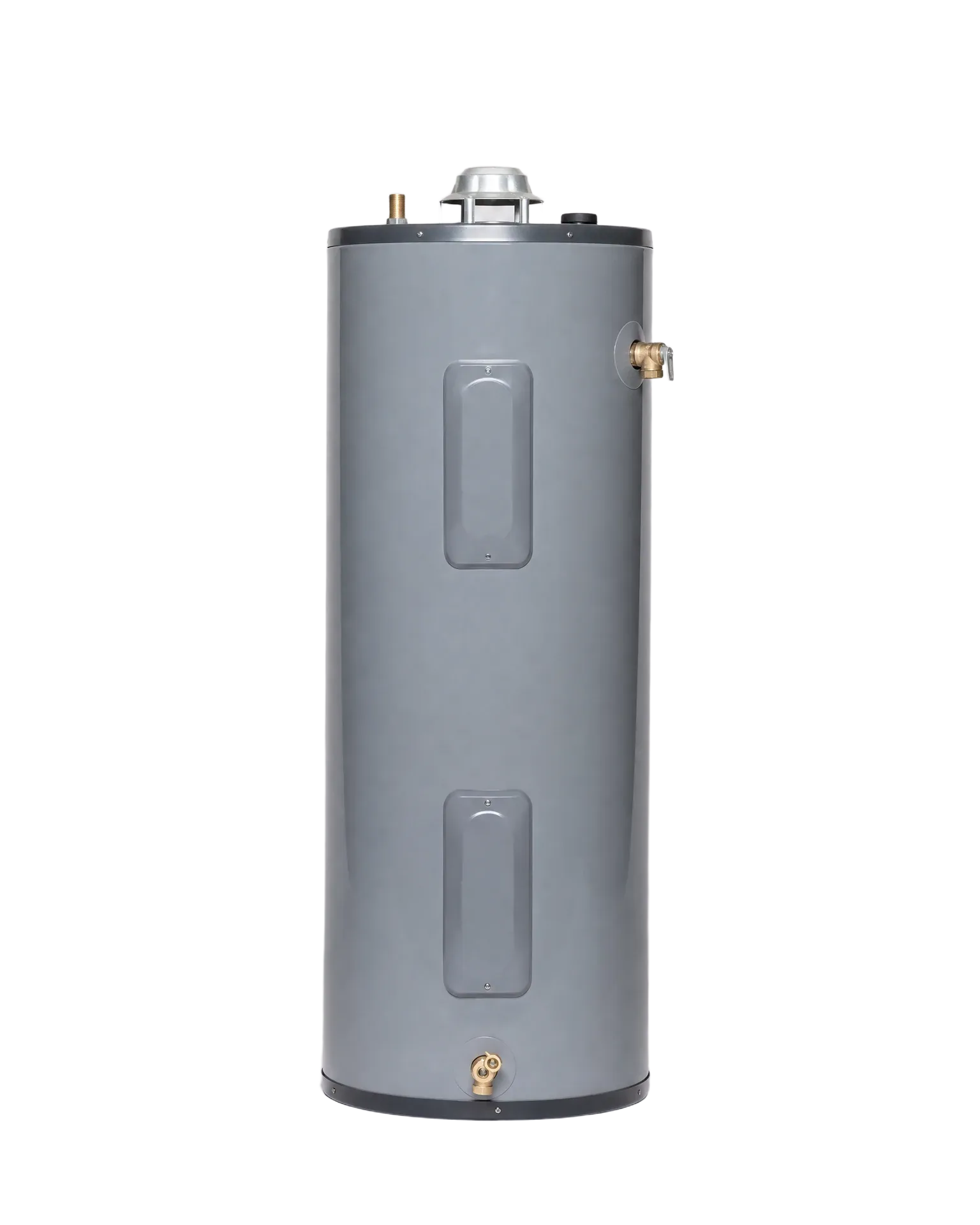
A pilot light that won't stay lit usually comes down to one of a few things: a thermocouple that's worn out and no longer holding the gas valve open, a draft reaching the pilot from a vent or door nearby, or a dirty pilot orifice choking the flame. Most California homes run gas water heaters, and the thermocouple is the most common failure, since it just wears out with age like any other part. If the flame lights but dies once you let go of the knob, that points straight at the thermocouple. If it won't even catch, the gas supply or the pilot tube itself may be the problem. Either way, a pilot that keeps going out isn't something to relight over and over. It means the heater can't be trusted to stay lit on its own, and until it's fixed you're stuck checking it by hand, or going without hot water when it fails overnight.


The pilot assembly is simple, which is why it's usually the first place to look. A thermocouple sits right in the pilot flame. As long as that flame is burning hot and steady, the thermocouple tells the gas valve to stay open. Let the flame weaken or drift off center and that signal drops out, so the valve cuts the gas even though you can see fire still going. That's why relighting it seems to work for a minute, then fails again. The two usual causes are a thermocouple that's aged past sending a reliable signal, and a pilot orifice that's picked up enough dust or lint to starve the flame down. Either one shows up the same way: the flame burns thin, yellow, or tilted instead of a strong blue column standing straight up. Water heaters tucked into closets and garages add a third factor, since a nearby vent or door can push just enough air across the flame to pull it sideways. The gas valve itself is rarely the part that's actually failed.
Why the Pilot Won't Stay Lit
- The thermocouple is a thin copper rod that sits in the pilot flame and sends a small electrical signal to hold the gas valve open.
- Once that rod weakens or sits out of position, the valve reads no flame and shuts the gas off within seconds, even with the pilot still burning.
- A gas valve itself rarely fails first; most no-light calls trace back to the thermocouple or the pilot assembly feeding it.
- Dust and lint settle into the pilot orifice over time and choke the flame down until it's too weak to satisfy the thermocouple.
- Closets and garages where these water heaters sit often have a vent or door that lets in just enough draft to pull the flame sideways.
- A flame that burns yellow or leans to one side instead of standing straight blue is usually the first visible sign of the problem.
What This Means for Your House
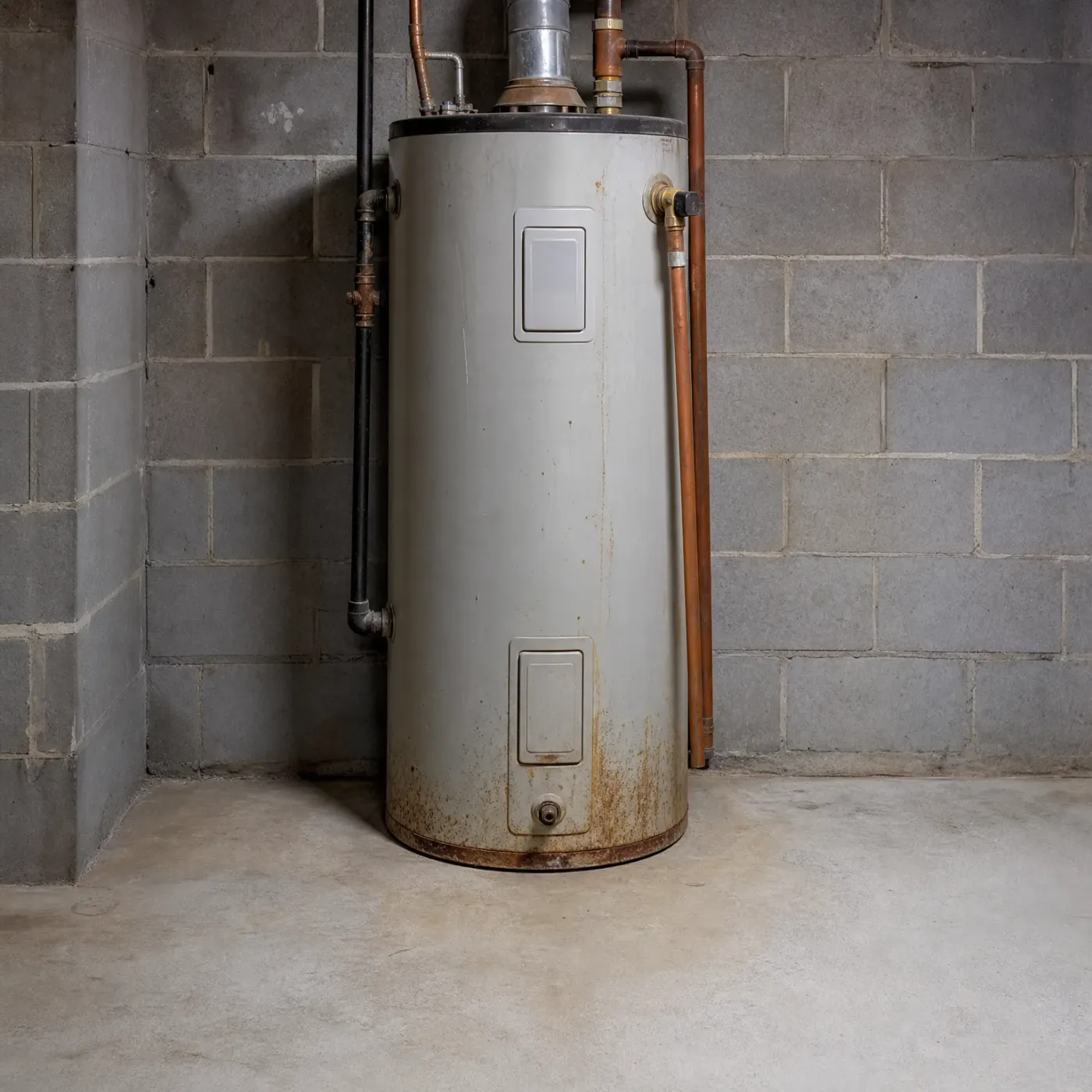
- A pilot that won't hold means no hot water for anyone in the house until a contractor resets or replaces the part.
- Every failed relight burns a little gas before it shuts off, and that adds up on a bill that's already high here.
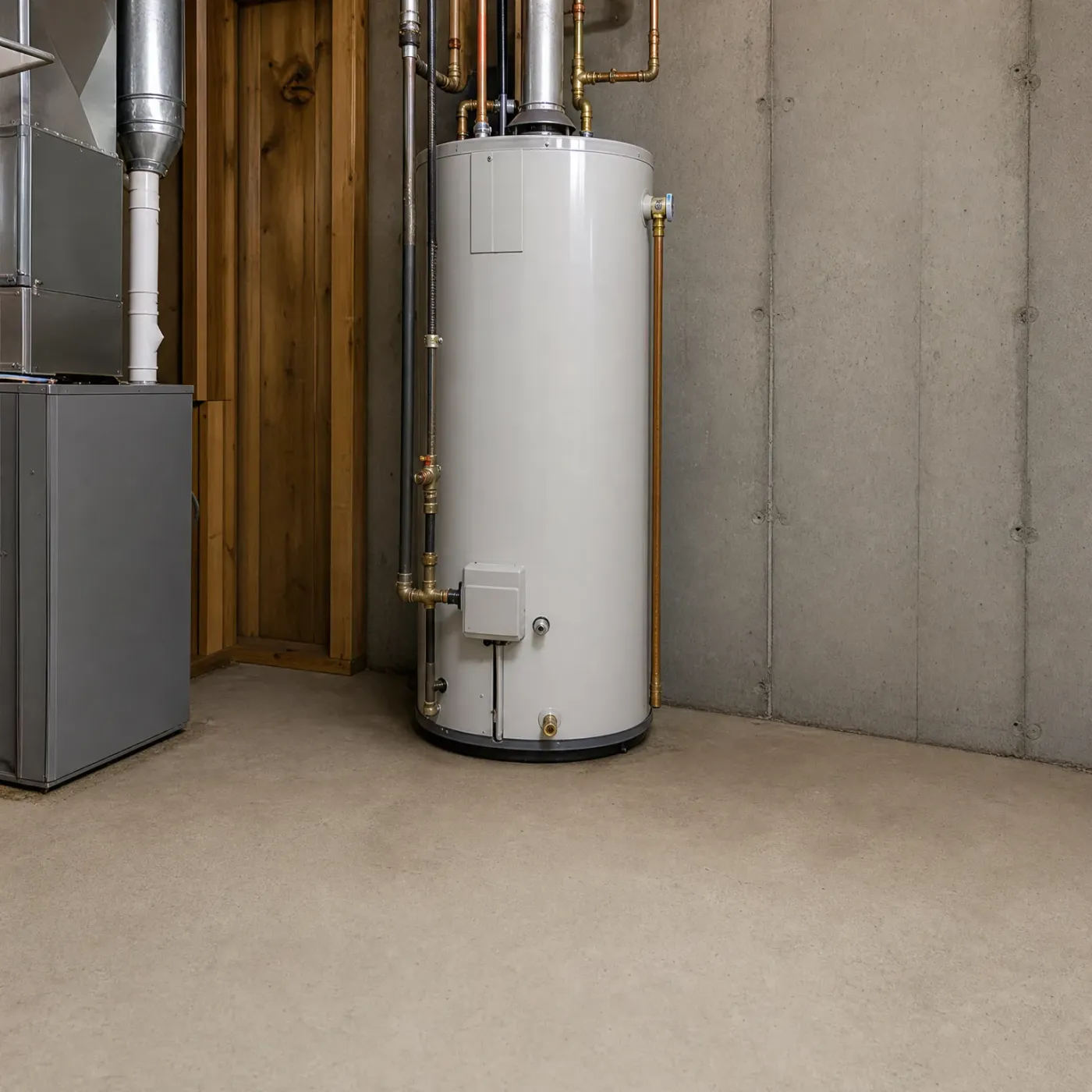
- If the water heater sits in a garage or utility closet near a door, a draft blowing out the pilot can look like a bad thermocouple when it isn't.
- A tank that keeps dropping pilot through the day often means someone's shower or the dishwasher runs cold without warning.
- Waiting it out and relighting the pilot yourself each time doesn't fix a worn thermocouple, it just delays the point where it fails for good.
- A gas smell near the tank along with a pilot that won't stay lit is not a thermocouple problem and needs attention right away.
A pilot that won't stay lit stops being a small nuisance fast. The water heater either makes hot water or it doesn't, and once the pilot drops, nobody in the house gets a hot shower or a hot load of dishes until it's relit or fixed. If the tank sits in a garage or a utility closet near an exterior door, check whether a draft is pulling at the flame before assuming the thermocouple is bad. That's an easy thing to rule out, and it can save a repair call for something a door sweep or a relocated vent would solve. If the draft isn't the cause, each relight that fails still burns gas for a few seconds before the valve shuts off, and with gas priced the way it is here, those small losses show up on the bill over weeks of relighting it yourself. A pilot that drops once might be a fluke. One that drops again and again through the day, or every few days, points to a thermocouple that's worn past holding the valve open, and relighting it yourself only buys time until it fails for good, usually without warning, often mid-shower. One thing is not a thermocouple issue at all: if you smell gas near the tank along with a pilot that won't hold, that's not something to wait on or troubleshoot yourself.




A pro who works on water heaters
A thermocouple doesn't fix itself, and a pilot that keeps dropping out will keep doing it until someone replaces the part or clears whatever's choking the orifice. That's not a job most people in California want to guess at, since a gas valve set up wrong is worse than a cold shower. A local contractor who works on water heaters all year has seen this exact failure plenty of times and knows within a few minutes whether it's the thermocouple, a draft, or buildup in the orifice. You get matched with one contractor who covers your area, not a handful calling you back at once. With power costing what it does here and gas heat in most homes, a water heater that's relighting itself over and over is worth getting looked at before it quits for good.
A thermocouple costs little next to the gas valve it protects, and replacing a weak one is a small job compared with a valve that has started letting gas through when it shouldn't.
That's why a contractor who finds a pilot problem checks the thermocouple first. It's the part most likely to be worn, and the cheapest one to be wrong about.
61% of homes statewide heat with gas
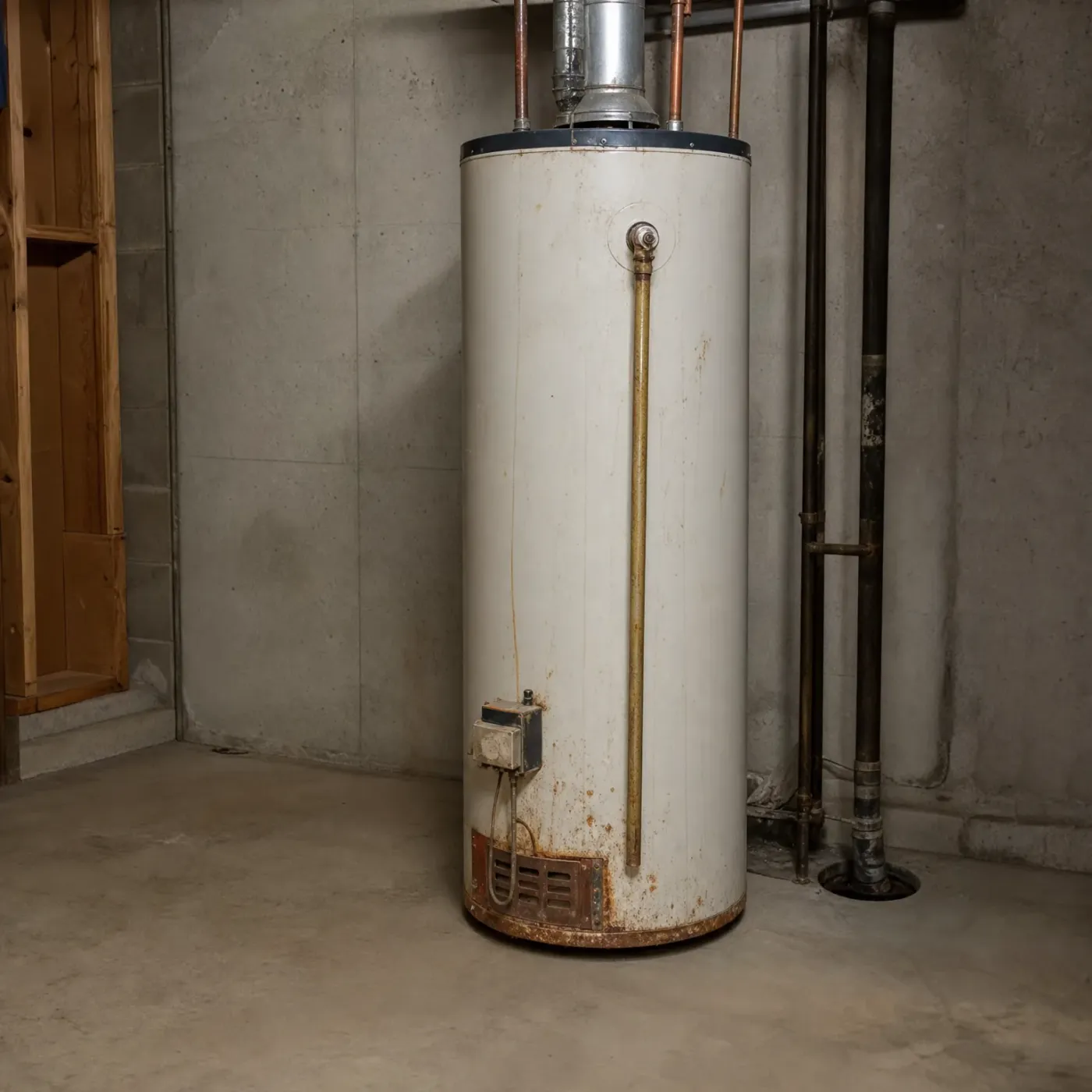
Most houses in California run a gas water heater, so the pilot is doing real work in your home, not a backup part. When it keeps dropping out, you're stuck heating water some other way or going without until the thermocouple or orifice gets sorted.
ACS 2020-2024 5-year B25040

Pilot flame heats the thermocouple tip near the burner
Thermocouple sends a small voltage to the gas valve
Valve reads that signal and stays open for gas flow
Draft, dirt, or a weak signal lets the valve close

A pilot that won't hold is a part problem, not a mystery
Most of the time it's the thermocouple. Sometimes it's a draft finding the pilot, or an orifice clogged enough to starve the flame. Either way, the gas valve is doing exactly what it's built to do: shutting off when it doesn't get a clean signal that the pilot is lit. Once you know that, there's nothing left to guess at. Someone still has to look at the pilot assembly, check the thermocouple's position and signal, and clear or replace whatever's keeping the valve from reading a steady flame.
That's a job for a contractor who works on gas water heaters regularly and knows which of the three usual causes tends to show up first. A request through this page goes to one licensed contractor local to your area in California, not several companies working the same lead, and that contractor reaches out to you directly. Someone who sees this kind of failure through a California summer and winter alike can usually tell from a few questions which part is at fault before ever touching the pilot.


Water Heater Repair
Get your water heater to the right pro

- Describe your water heater job, and a local pro who handles it gets in touch.

- Get the water heater repair search off your mind today.
- Once you send the form, finding a pro is off your list.

- Describe your water heater job once, to one pro.
- Fill out one short form instead of calling around.

- Your request goes to one pro, not a list of companies.
- The pro who reaches out is licensed in California.