



Water heater pilot light out in Los Angeles, CA

Send the request and finding a pro stops being your problem.

Step 1 of 3: Equipment

Why did my water heater pilot light go out?

A pilot light that won't stay lit usually means something is cutting the gas supply to it, and in a gas-heavy market like Los Angeles, that's the first thing worth checking before assuming the worst about the whole unit. Most homes here run gas water heaters, so this is a common call. It can go out on its own overnight, or you might notice it the moment you go to run hot water and nothing comes out.

A weak thermocouple is the most common reason

The thermocouple is the small sensor that sits next to the pilot flame. Its job is to tell the gas valve the pilot is lit, and if it wears out or sits slightly out of position, the valve reads that as the pilot being out and shuts the gas off, even while the flame is still burning. Over time that sensor weakens and starts cutting the gas more often, sometimes within minutes of relighting it. A draft from a vent or a loose connection in the gas line can do the same thing, but those tend to be less common than a worn thermocouple. Either way, it takes someone who works on gas water heaters regularly to tell which one it is and fix it properly.

A gray-haired man in a dark long-sleeve shirt sits on a gray sofa in a living room, looking toward a sunlit window with sheer curtains.
A gray-haired man in a dark green sweatshirt sits on a sofa in a living room, looking toward a bright window, with a houseplant, lamp, fireplace and framed art behind him.
A gray-haired bearded man in a dark green collared sweater sits on a sofa in a living room with a window, houseplant, floor lamp and bookshelves, looking off to the side.
A gray-haired man in a dark green sweater sits on a sofa in a sunlit living room, looking off to the side, with a framed landscape painting, dining table and shelving behind him.

What does a pilot light outage mean for your household?

  • 2.81 people per household on average

    With 2.81 people in the average Los Angeles County home, a water heater that's out usually means everyone's routine stops, not just one person's shower.

  • Half the homes here were built by 1965

    Half the homes in the county were built in 1965 or earlier. If yours is one of them, the gas line and shutoff valves feeding that pilot may be original.

  • 62.6% of homes heat with gas

    Gas heats 62.6% of homes here, more than any other fuel, so a pilot that won't stay lit is a common call for anyone who works on water heaters in this county.

ACS 2020-2024

How the Pilot System Works

  • A thermocouple or flame sensor reads the pilot flame and signals the gas valve to stay open.
  • If that sensor cools or gets coated in soot, the valve shuts the gas off even if nothing else is wrong.
  • A pilot that relights but won't stay lit points to the sensor, not the pilot flame itself.
  • A pilot that won't light at all more often points to a clogged orifice or a bad gas valve.
  • Drafts from a vent or a nearby door can blow a weak pilot out without touching the sensor.
  • Some gas valves have a reset or lockout that needs to be cleared before the pilot will hold again.

The pilot light itself is just a small flame. What keeps the gas valve open is a thermocouple or flame sensor sitting right in that flame, reading its heat and telling the valve it's safe to keep feeding gas to the burner. When that sensor is working, the system holds steady. When it isn't, the valve shuts the gas off as a safety measure, whether or not anything else in the tank is actually wrong. That's why a water heater can look completely fine and still refuse to stay lit. There are two different problems that get lumped together as "the pilot light is out." One is a pilot that lights again but won't hold. That almost always traces back to the sensor, either it's cooled off, coated in soot, or positioned wrong so it never reads the flame correctly. The other is a pilot that won't light at all, which more often means the orifice feeding gas to the pilot is clogged or the gas valve itself has failed. A draft from a nearby vent, an open door, or even strong air movement through the utility closet can blow out a weak pilot without damaging the sensor at all, so a pilot that goes out once isn't necessarily a sign of a worn part. Some gas valves also have a built-in lockout that trips after repeated failed attempts and needs to be manually cleared before the pilot will hold again, so relighting it the same way twice won't always work the second time.

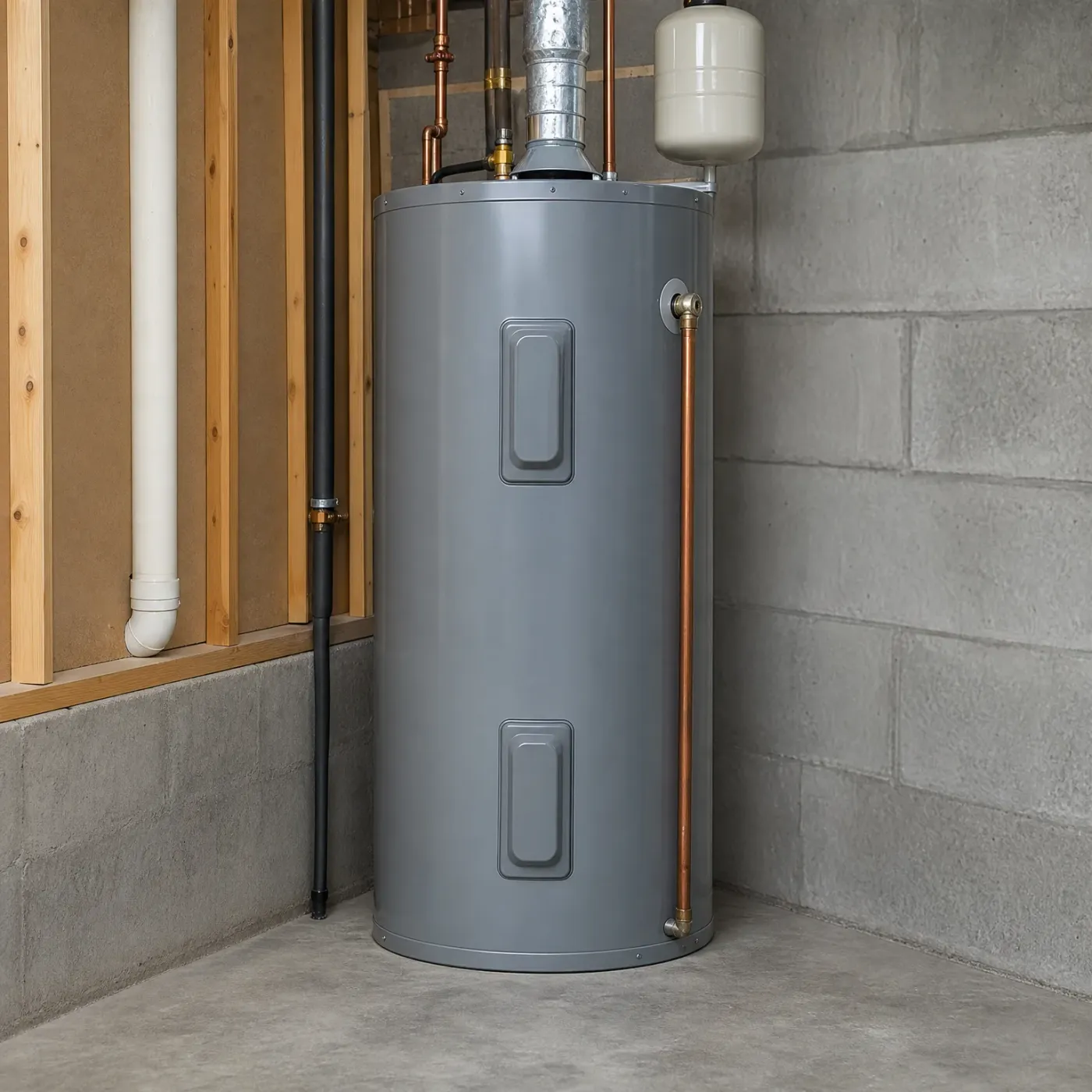
A gray cylindrical water heater with copper piping and an expansion tank stands in a basement corner beside a concrete block wall and exposed wood framing.
A water heater that's holding its pilot keeps hot water flowing through copper and PVC lines without any smell of gas or soot buildup.
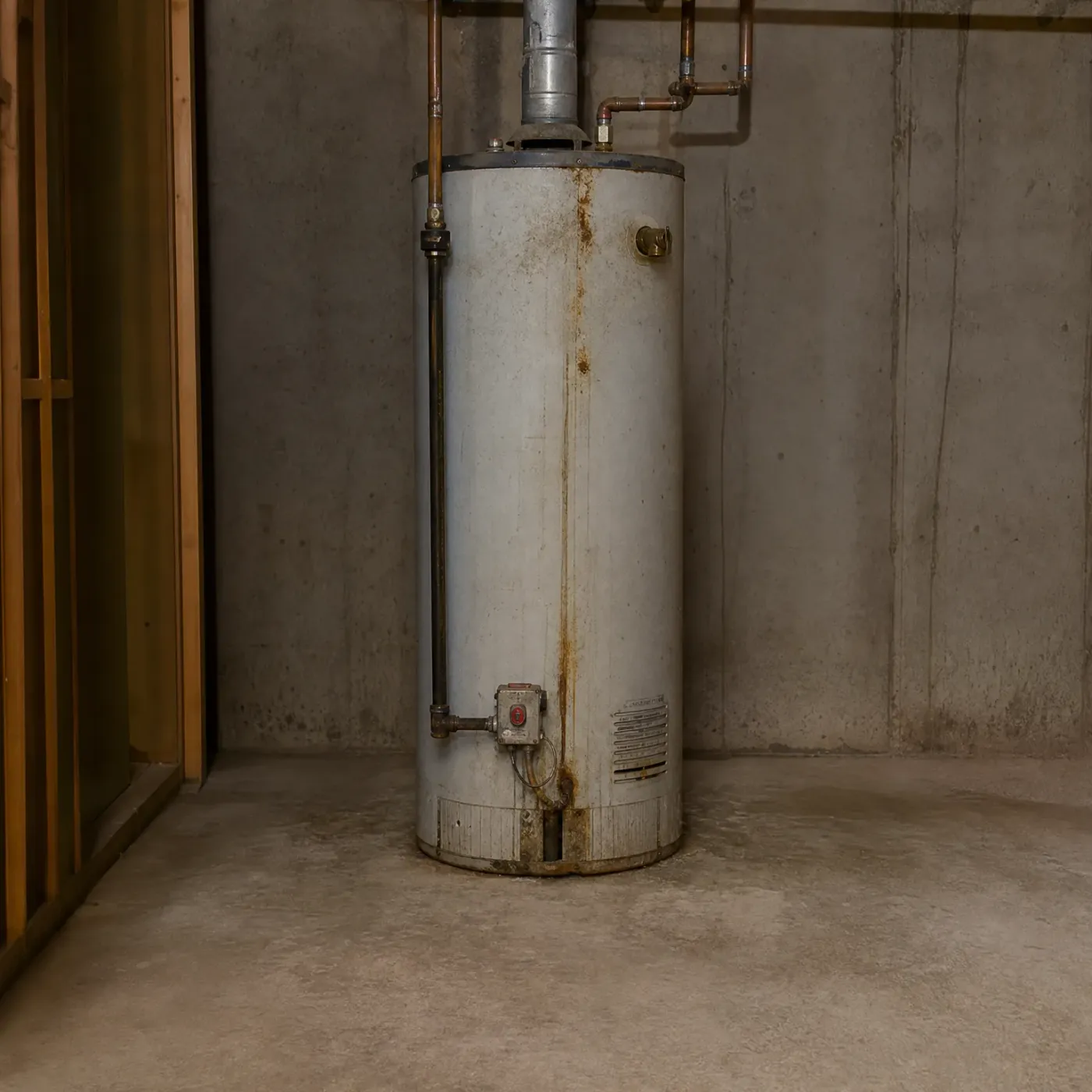
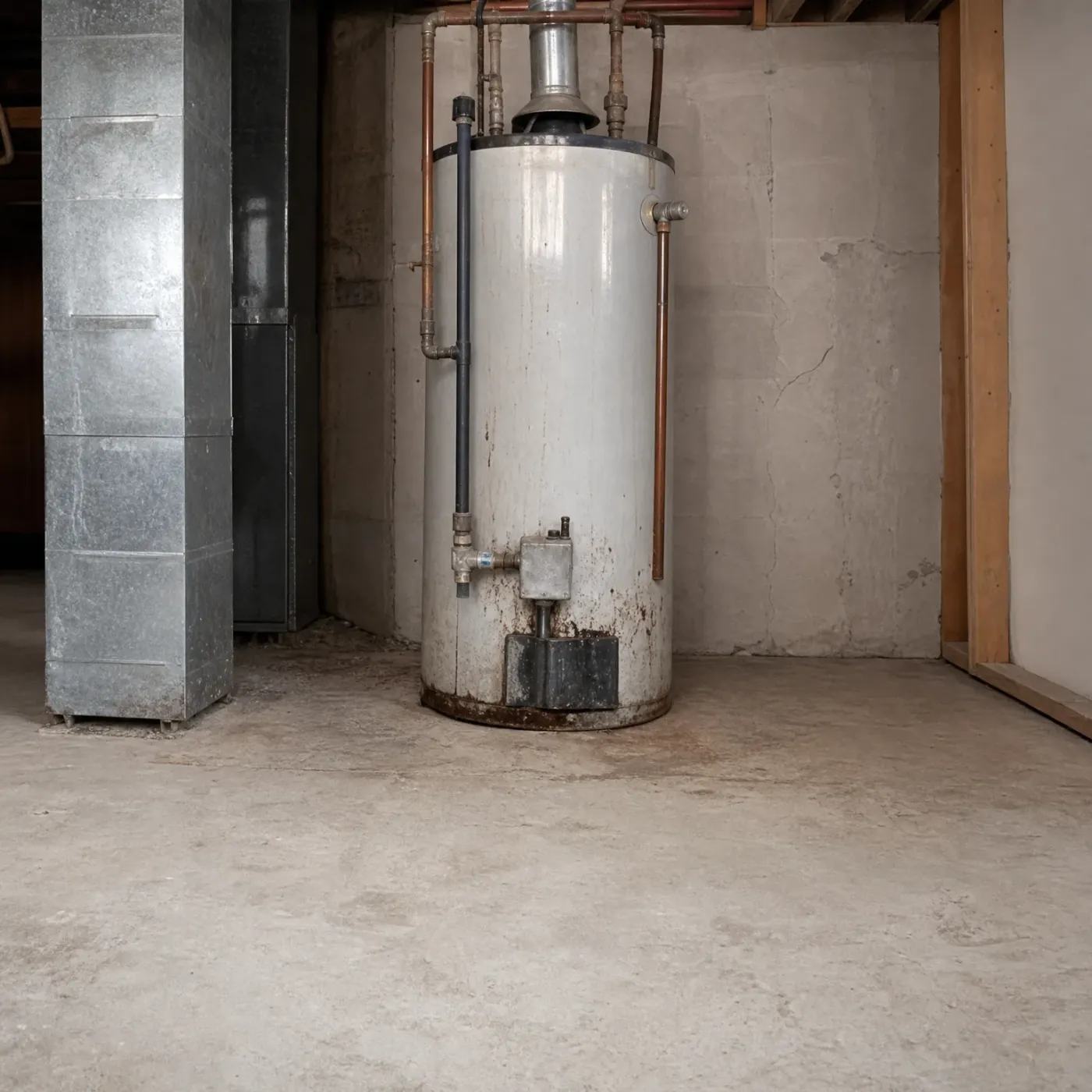
An old rusting cylindrical gas water heater with copper and steel pipes and a flue stands against a concrete basement wall beside metal ductwork on a bare concrete floor.
Heavy rust and mineral scale like this can eat through a gas valve or flue, and that's what actually cuts the pilot off for good.

Is your whole house without hot water right now?

Check the sink and shower in different rooms. If every tap runs cold, the pilot is out, not just weak. Look at the burner assembly through the little window at the bottom of the tank. No flame means no hot water until the pilot is relit and stays lit. You might also notice a faint gas smell near the tank, a clicking sound when the thermocouple tries to catch, or soot around the burner opening. None of these fix themselves by waiting. A pilot that won't hold points to a part that needs replacing, and running the water heater with a cracked or corroded valve risks a gas leak into the space where the tank sits.

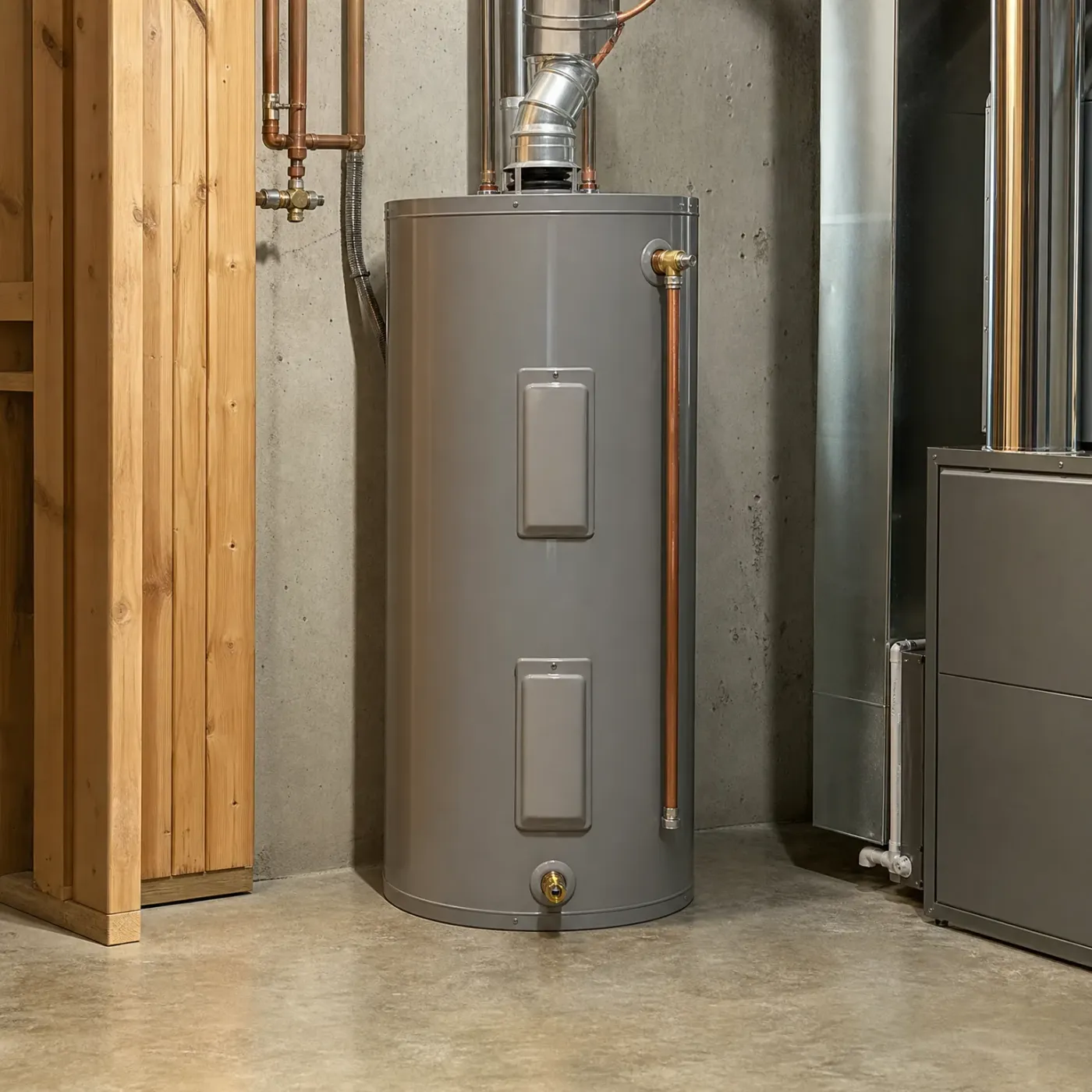
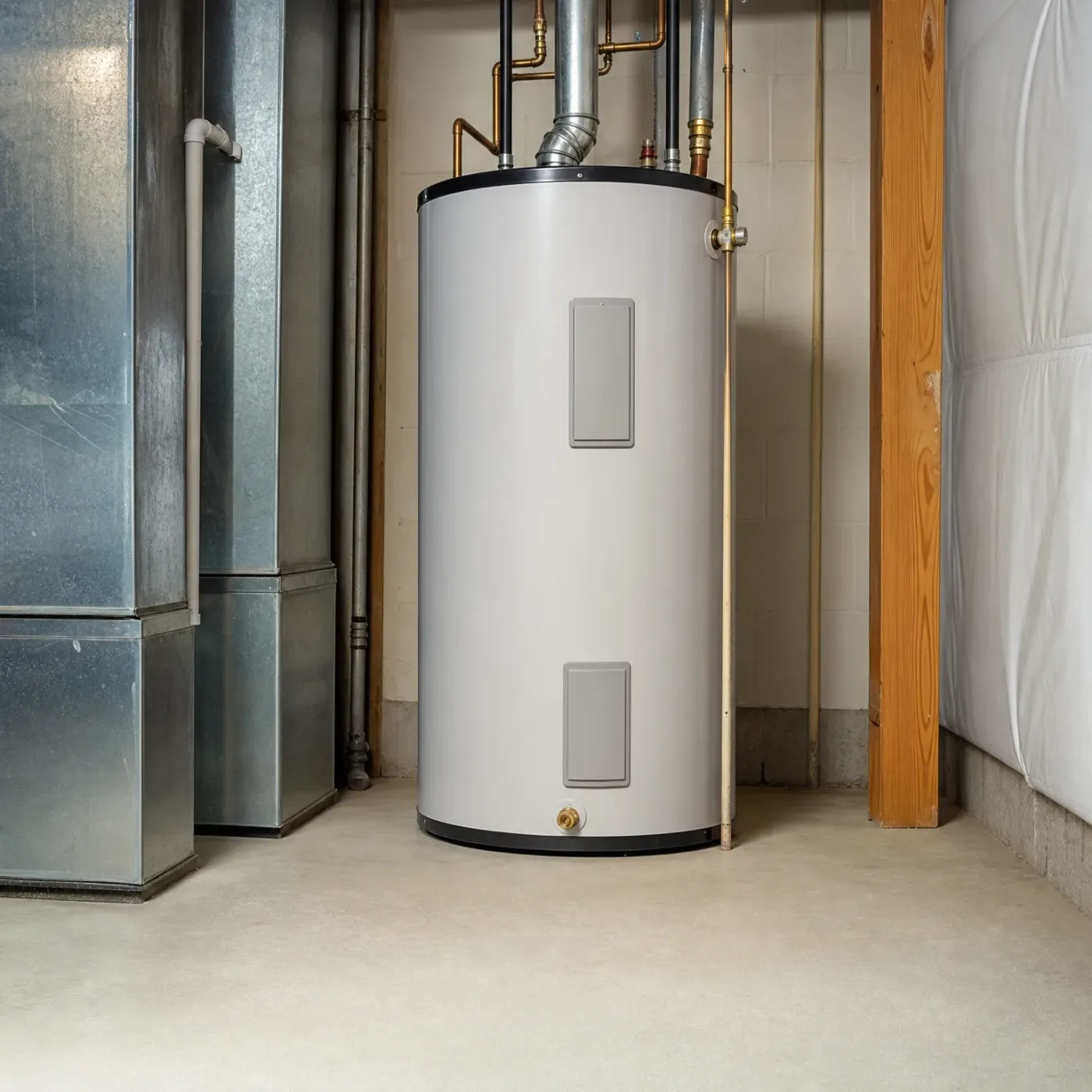
A white cylindrical water heater with two access panels stands on a concrete floor in a basement corner, beside galvanized ductwork, copper and metal pipes, a wooden post, and a concrete block wall.

Pilot holding steady

This is what a working unit looks like. The panels stay closed, the drain valve stays dry, and the copper fittings at the top show no corrosion. A pilot that holds steady like this means the thermocouple is reading the flame correctly and the gas valve has no reason to shut down.
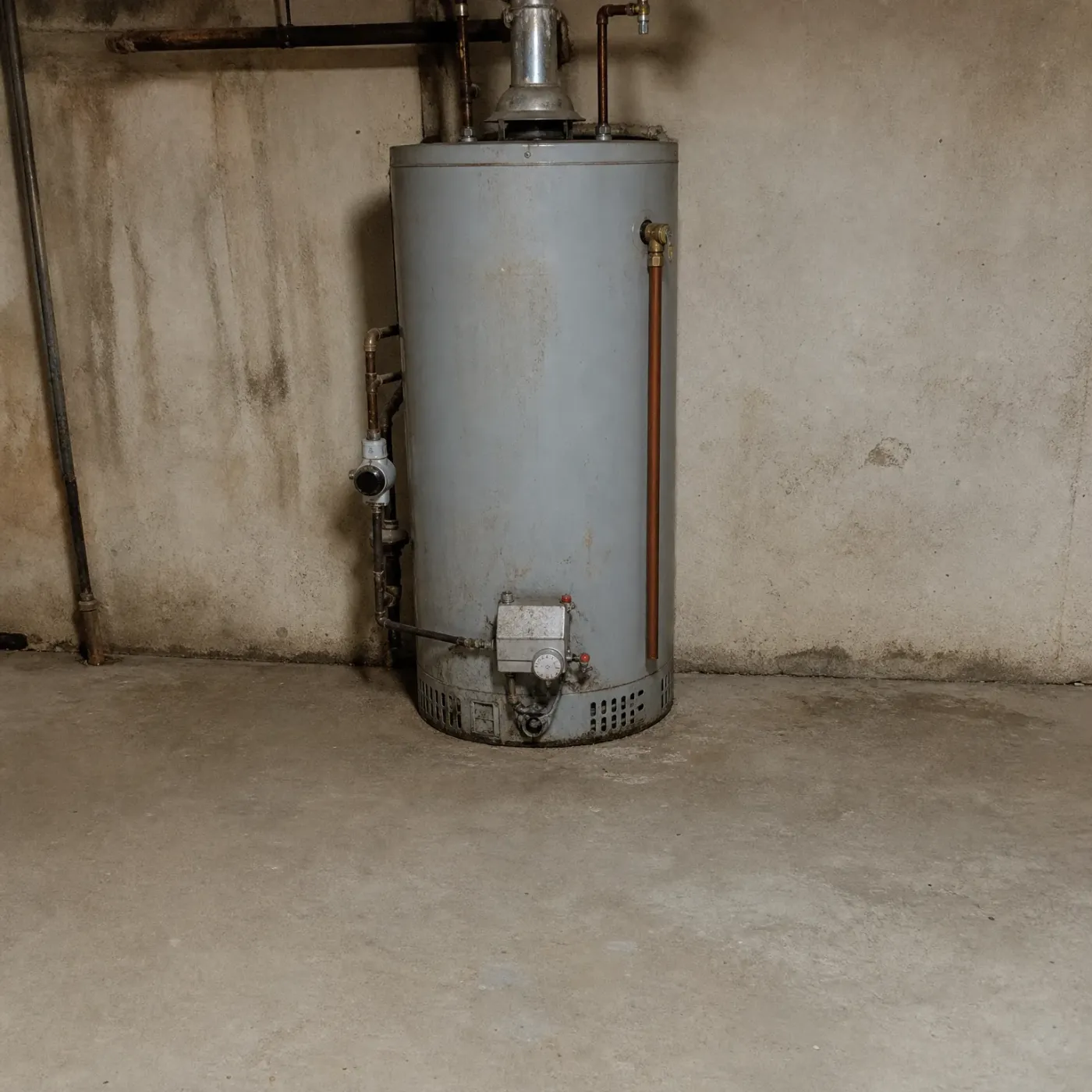

An older gray cylindrical gas water heater with copper and steel piping and a flue, standing on a concrete floor against a stained concrete wall.

Pilot gone out

This is an older gas unit, the kind more likely to lose its pilot. The gas control sits low at the base where it can pick up dust or corrosion off a concrete floor, and the flue above it needs a clear path for exhaust. A unit like this is worth a look even when the pilot is lit.

A woman with shoulder-length dark brown hair in a cream knit cardigan sits in an upholstered armchair beside a window, looking off to the side, with a white bookshelf and potted plant blurred behind her.
A woman with her hair in a bun sits wrapped in a beige knitted blanket on a couch, holding a sleeping child against her chest in a warmly lit room with a lamp and houseplant in the background.

Send one request and you're done looking

A pilot that won't hold almost always comes down to a part failing, not the whole water heater. A thermocouple wears out after years of heating and cooling with every cycle, and once it's bad, relighting the pilot yourself just buys you a few minutes before it drops out again. Trying it three or four times doesn't tell you anything new. What you need is someone who can tell a worn thermocouple from a bad gas valve from a draft problem in the flue, because those look the same from where you're standing but call for different fixes. A local contractor who works on these units all year has likely seen your exact model fail this exact way. Getting the right person on it the first time means hot water back on for the whole house, not another evening of lighting a pilot that won't stay lit.

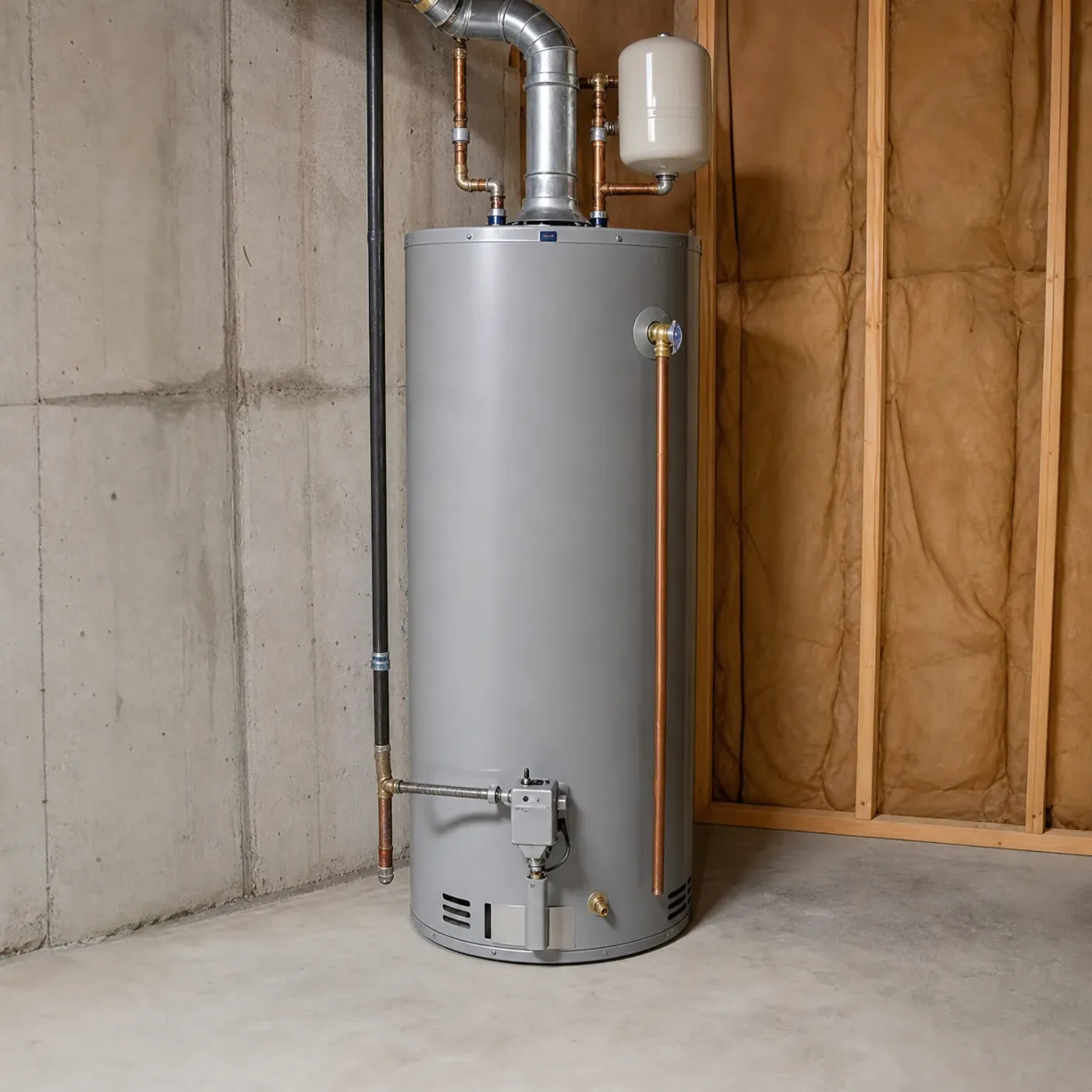
A gray cylindrical gas water heater with copper piping, flue vent, and a small expansion tank stands in a basement corner between a concrete wall and an insulated stud wall.

Running the way it should

A water heater like this holds its pilot and heats on demand, with the flue drawing clean and the expansion tank doing its job above the tank. The copper and black iron connections stay dry and tight. Nothing here needs attention yet.

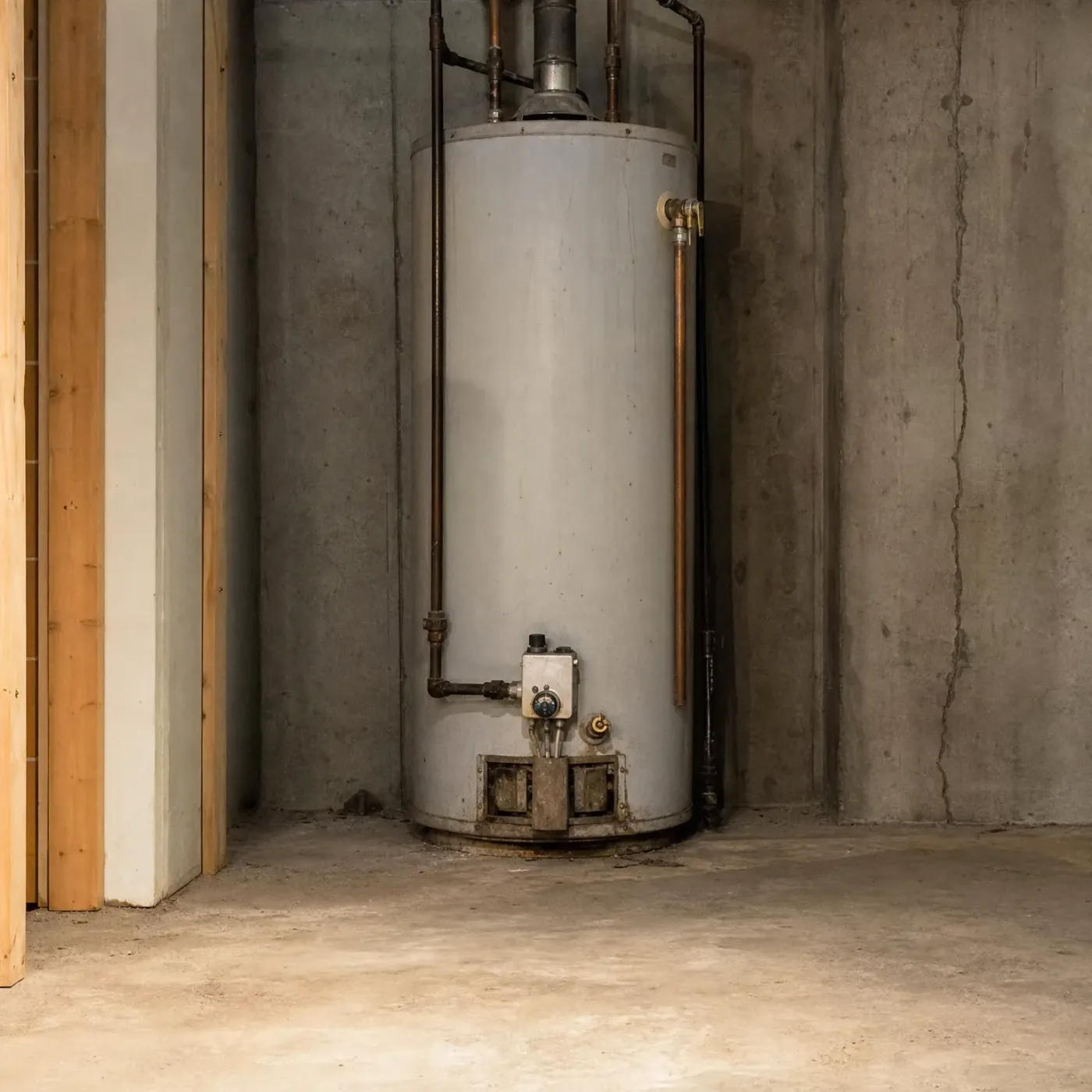
An older gas water heater with copper and black pipes stands in the corner of a bare concrete basement next to a wood-framed partition wall.

A tank past its working life

This one sits unfinished and exposed, with the gas control valve at the base worth a look if the pilot keeps going out. An older tank like this has had more cycles on its thermocouple, and that wear is often what's behind a pilot that won't hold.

Relight It or Call a Plumber

Relight it yourself

  • Most manufacturers print the relighting steps right on a label inside the lower access panel, and following them exactly matters.
  • If the pilot catches and holds for a few minutes, the thermocouple is still reading the flame correctly and the gas valve is working.
  • This only makes sense the first time it goes out, since a pilot that keeps dying after relighting points to a part that needs replacing.
  • You still need to smell for gas before you strike a match, and if you smell it, skip this and get the gas shut off instead.
  • A pilot that relights but drifts yellow or won't stay lit after a few tries isn't something to keep retrying on your own.

Call a licensed plumber

  • A thermocouple or flame sensor that's worn or coated in soot won't get fixed by relighting the pilot, only by replacing the part.
  • A local plumber who works on these units all year knows which brands tend to fail at the thermocouple versus the gas valve itself.
  • If the burner assembly shows rust or the flue isn't drawing clean, that's a sign of a bigger problem a relit pilot won't solve.
  • Sending one request means one licensed, local plumber takes the job, not a handful of companies calling you at once.
  • A pilot that won't hold after repeated attempts usually means the gas valve itself needs testing, which isn't a homeowner repair.
  • Gas work on a water heater is also where a license actually matters, since a bad connection or a missed leak is a safety issue, not just a comfort one.
  1. Gas flows from the shutoff valve into the control valve

  2. Pressing the pilot button sends gas to the pilot burner

  3. The pilot flame heats the thermocouple or flame sensor tip

  4. The heated sensor tells the control valve the flame is lit

An aging rust-streaked gas water heater with copper and galvanized pipes stands against a bare concrete basement wall beside wooden stud framing.
Before you get your water heater repair
A gray cylindrical water heater with two access panels and copper piping stands against a concrete wall in a basement, beside wood framing and metal ductwork.
After you get your water heater repair

1 part, not 1 tank

A failed thermocouple or flame sensor is a small, specific repair. A licensed plumber can replace it without touching the tank, the flue or the gas line.

Send it today

Gas shutoff first

Before any repair, a plumber checks the gas shutoff valve and the flue draw. That's what tells them whether the pilot problem is the only issue.

Send it today

Power here costs 29.69 cents per kilowatt-hour

At 29.69 cents per kilowatt-hour, running an electric water heater in Los Angeles County costs more than almost anywhere else in the country. It's part of why most homes here heat water with gas, and why a gas pilot going out is worth fixing right rather than switching to electric backup.

EIA-861 2025

A pilot that won't stay lit comes down to one small part reading the flame wrong, and that's a repair, not a reason to replace the tank. Once it's relit and holding, you have hot water again, and that's the whole job. What you want is someone who does this work on gas water heaters around Los Angeles regularly enough to know which thermocouples fail young and which gas valves are worth checking twice before anything gets replaced. A licensed local plumber sent to your door is one visit, not a string of callbacks from different companies trying to win the job. They'll check the gas shutoff, look at the thermocouple, and tell you straight whether it's a part swap or something bigger going on with the valve. Either way, you'll know what's wrong and what it takes to fix it, and your water heater will be back to holding its pilot the way it's supposed to.

A gabled house with a dark shingled roof and light vertical-board siding stands among dense green trees, with golden grass-covered hills dotted with scattered oaks and an overcast sky behind.

Let someone else find the pro

Reach a local pro

Asking costs nothing, and the choice to hire stays yours.

A cold shower at six in the morning is a bad way to find out the pilot's gone. Send the request tonight and stop guessing whether the thermocouple needs replacing or the gas valve does. A local plumber who handles these every week can tell the difference fast and get the flame holding again.