Tell us about the job
Takes about a minute. No obligation.
Gas-fired water heaters run every day, cycling the burner on and off whenever hot water is drawn, which means the ignition system, thermocouple, and gas valve accumulate wear steadily across years of use. Utility gas heats more occupied homes in Sacramento County, California than any other fuel, at 56.9% (2020-2024 ACS 5-year). That dominance of gas heat tells a contractor something concrete before they open anything: the failure they are diagnosing almost certainly sits in the combustion side of the unit, not the tank itself. Thermocouples fail from repeated thermal cycling, gas valves stick from mineral-laden water vapor and sediment, and ignitors crack from heat stress. A contractor working a gas water heater repair here is not guessing which components to prioritize.
Water heater parts sourced for a repair here often run into a wall: the original specifications call for components that have been discontinued, revised, or replaced with versions that require additional adaptation to fit. Half the homes in Sacramento County, California were built in 1981 or earlier (2020-2024 ACS 5-year). A contractor opening a unit in stock this old finds that the surrounding infrastructure, the flue routing, the gas line sizing, the available clearance, was set up for equipment that ran differently. That gap between what the house was built to hold and what the repair requires is where jobs get complicated and quotes change.
The Parts of a Water Heater a Contractor Checks During Repair
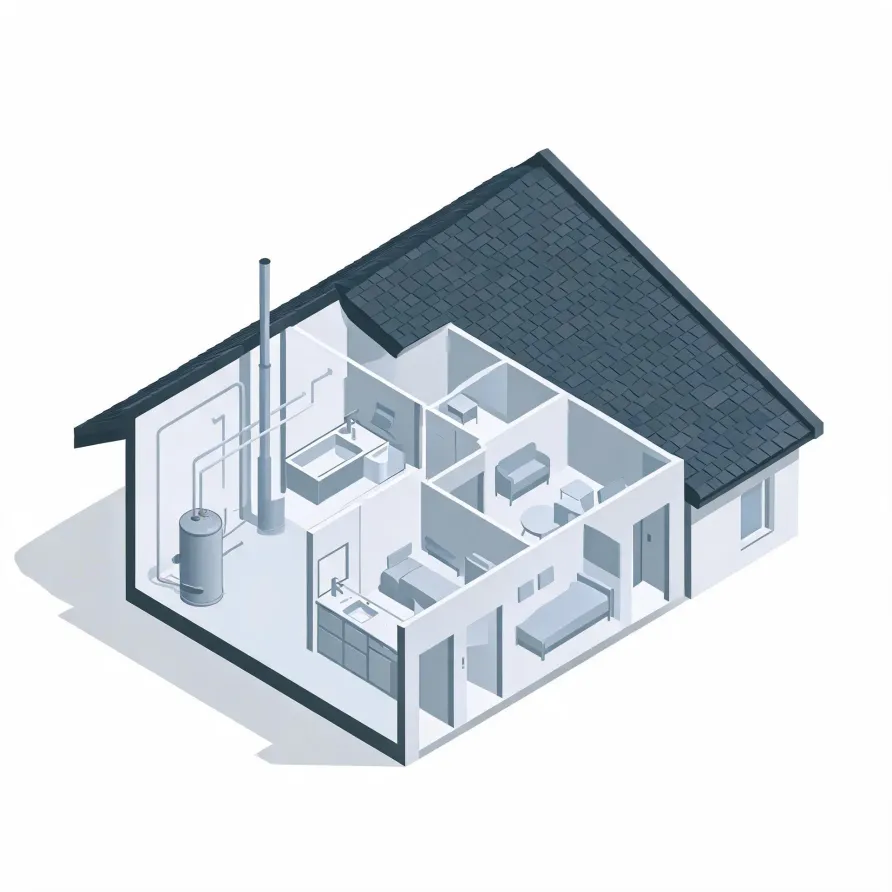
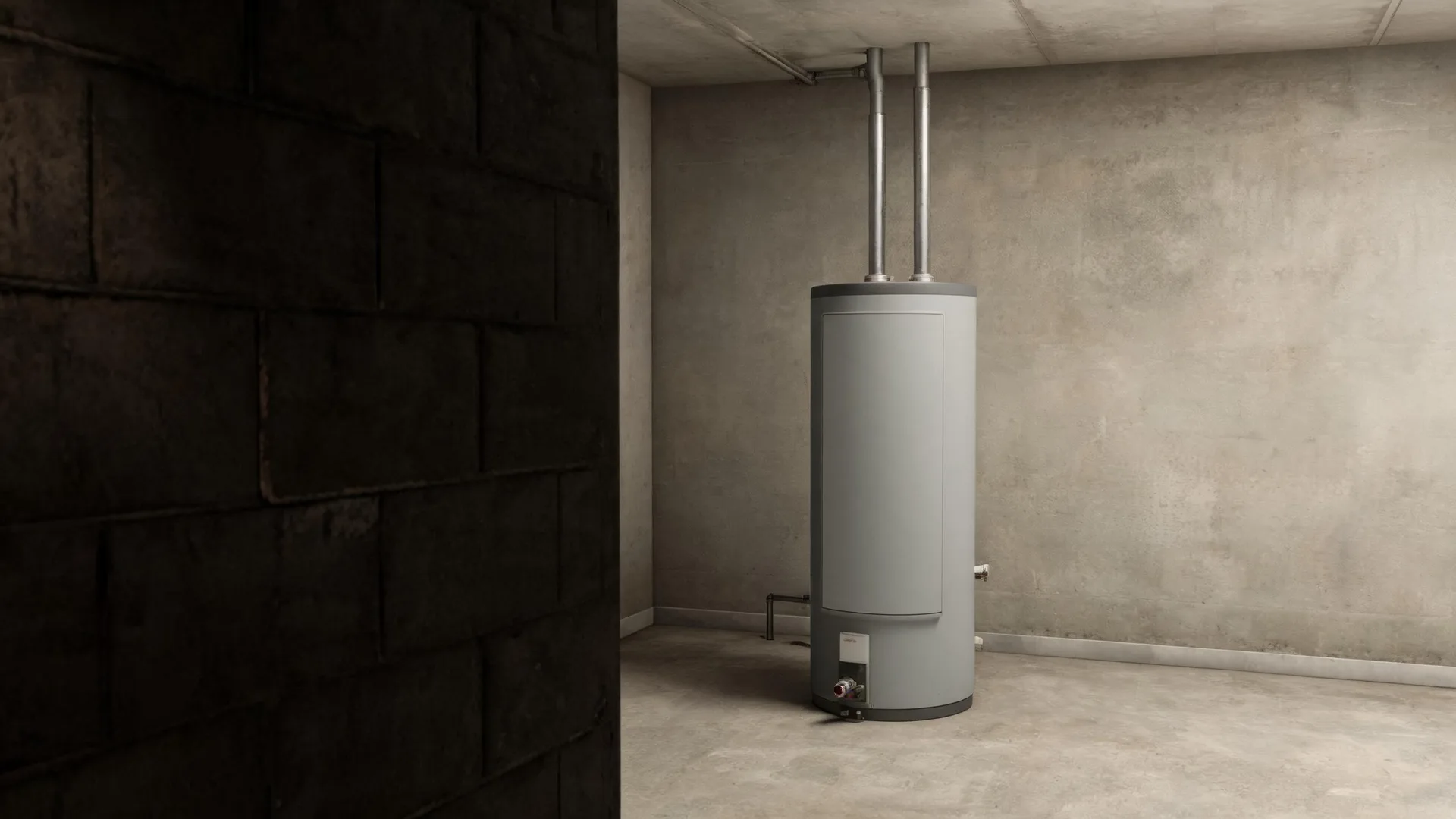
The tank is the piece most homeowners recognize: a large insulated cylinder that sits in a utility closet, garage, or basement and holds water at a set temperature. The burner assembly or heating element at its base is where heat is produced, and when a water heater stops delivering hot water, those components are where a contractor looks first.
The thermostat controls the target temperature and sits against or inside the tank depending on the unit type. The pressure relief valve mounts near the top and releases pressure if it climbs too high. The anode rod hangs inside the tank and slows corrosion; when it is depleted, the tank itself begins to degrade.
The drawing shows a general layout of these components, and a licensed contractor determines what applies to the specific unit and installation in your home.
Get matched in Sacramento CountySacramento County, by the numbers
60 severe weather events were recorded in Sacramento County, California between 2015 and 2024.
NOAA National Centers for Environmental Information, Storm Events Database, bulk CSV export, events 2015-01-01 through 2024-12-31.Half the homes in Sacramento County, California were built in 1981 or earlier (2020-2024 ACS 5-year).
U.S. Census Bureau, 2020-2024 American Community Survey 5-Year EstimatesSacramento County, California holds 598,385 housing units (2020-2024 ACS 5-year).
U.S. Census Bureau, 2020-2024 American Community Survey 5-Year EstimatesOwners occupy 59.0% of the occupied homes in Sacramento County, California (2020-2024 ACS 5-year).
U.S. Census Bureau, 2020-2024 American Community Survey 5-Year EstimatesCodes & Licensing That Cover Water Heater Repair in Sacramento County, California1 rules and standards
Licensing and Legal Requirements in Sacramento County, California
California requires a state contractor license: it is a misdemeanour to engage in the business of, or act in the capacity of, a contractor in California without one, unless the work is exempt.
Severe Weather Events in Sacramento County
Stress on a water heater comes from outside the house as much as from inside it. Pressure swings, power surges, and temperature extremes that follow severe weather all accelerate wear on tanks and components, which is why local storm history is a fair measure of what a water heater here is asked to handle.
60 severe weather events, 2016–2024. Source: NOAA National Centers for Environmental Information, Storm Events Database.