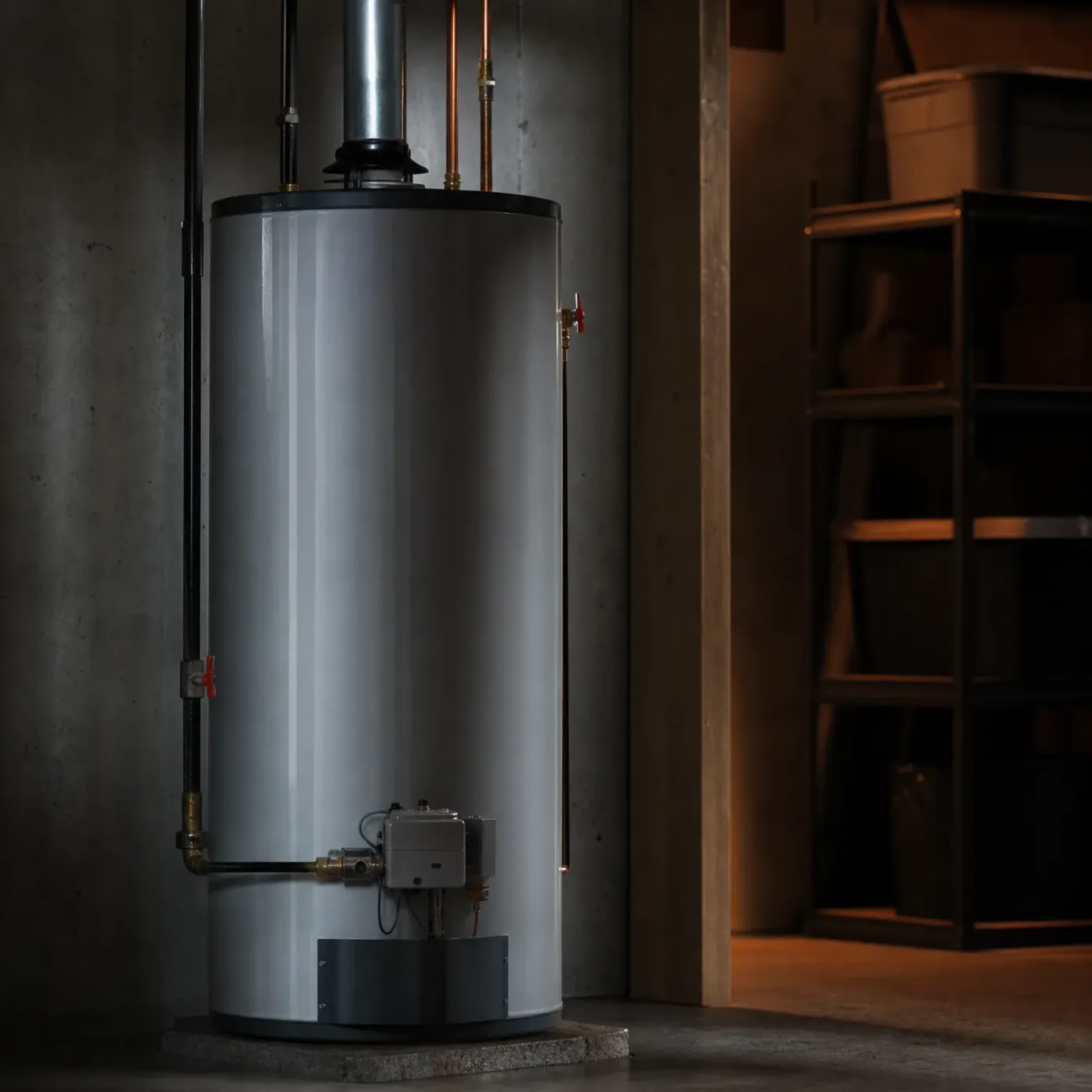
A large gray cylindrical gas water heater with copper and black pipes and a flue stack, standing on a concrete pad against a concrete wall, with a dark metal shelving unit in the background.

A pro who works on water heaters

What size water heater a California home needs

Sizing a water heater comes down to how many people use it and how much hot water they need at once, plus whether you want a tank or a tankless unit. Gas is the common fuel here, and that changes the sizing math too. Below, find what fits your household, then get matched with a contractor who can size the job to your home and reach out directly, instead of you calling around and explaining your setup to every plumber in town.

Match me with a pro

A household of two usually needs a 30 to 40 gallon tank, three to four people run closer to 40 to 50 gallons, and a bigger family or a house with two bathrooms running at once can need 50 gallons or more. The number that matters isn't the tank size by itself, it's whether the first hour of hot water keeps up with your mornings: showers, the dishwasher, a load of laundry, all close together. Since most homes here run on gas, a gas tank recovers faster than an electric one of the same size, so it can run a bit smaller and still keep up. If you're looking at tankless, sizing shifts from gallons to flow rate, how many fixtures can run hot water at the same time without the temperature dropping. Either way, the right size depends on your household and your fixtures, not a single number that fits every house.

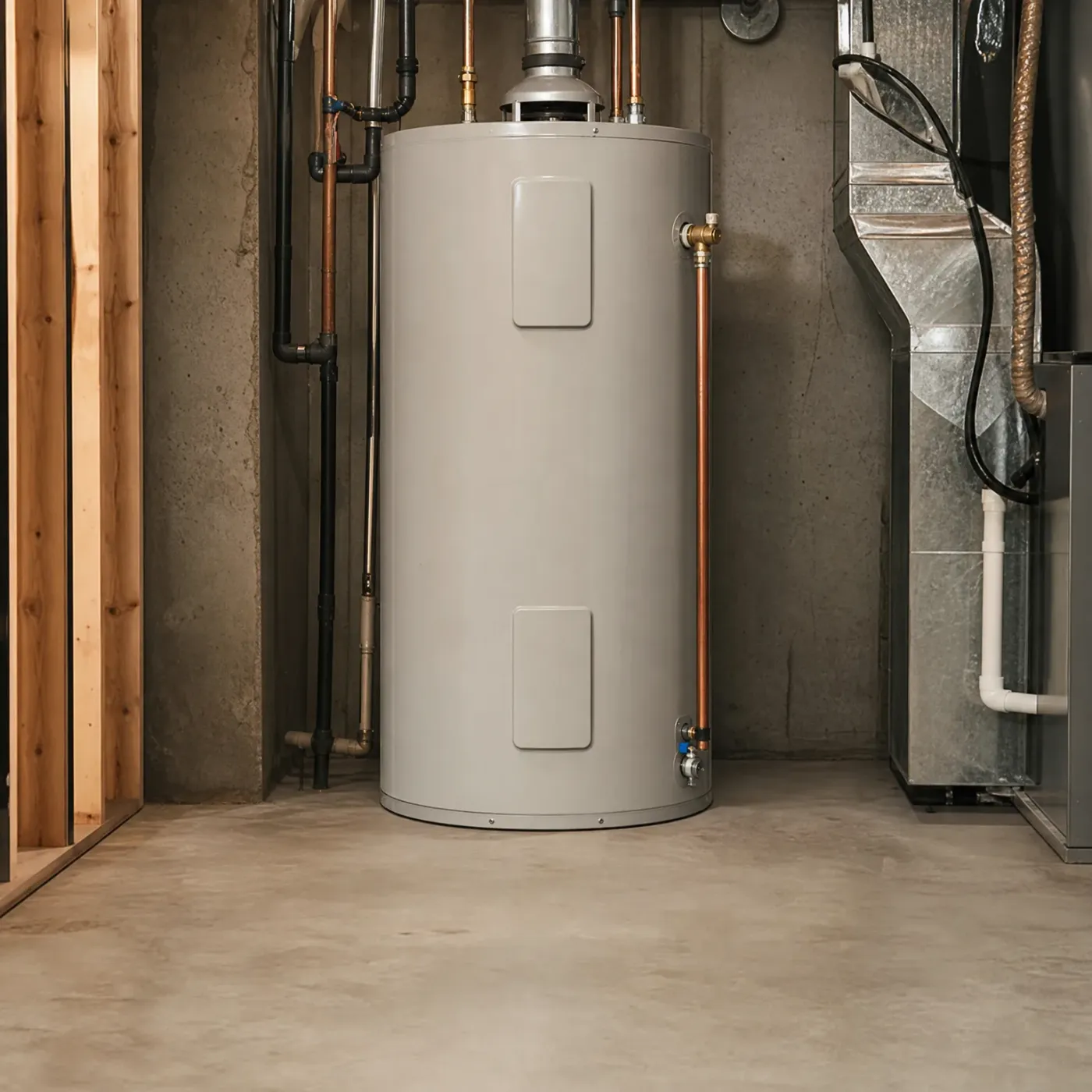
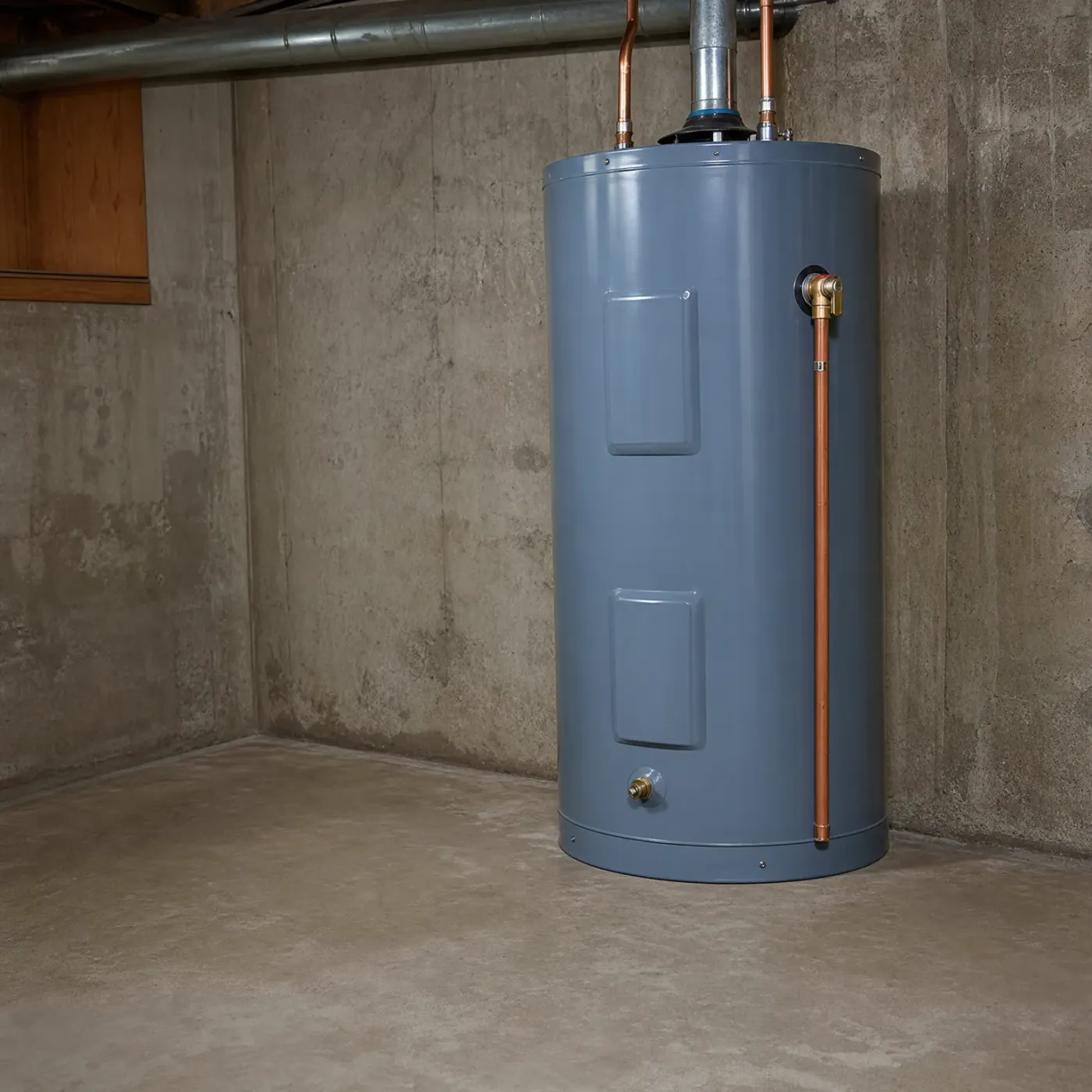
A gray cylindrical water heater standing on a concrete floor in a basement corner, with copper pipes and a metal duct running overhead along bare concrete walls.

Right size, working well

A tank that matches your household keeps up without you noticing it. The burner cycles, the tank recovers, and two showers back to back don't run cold. Gas units here recover faster than electric, so a correctly sized tank covers busy mornings without you ever having to think about it.
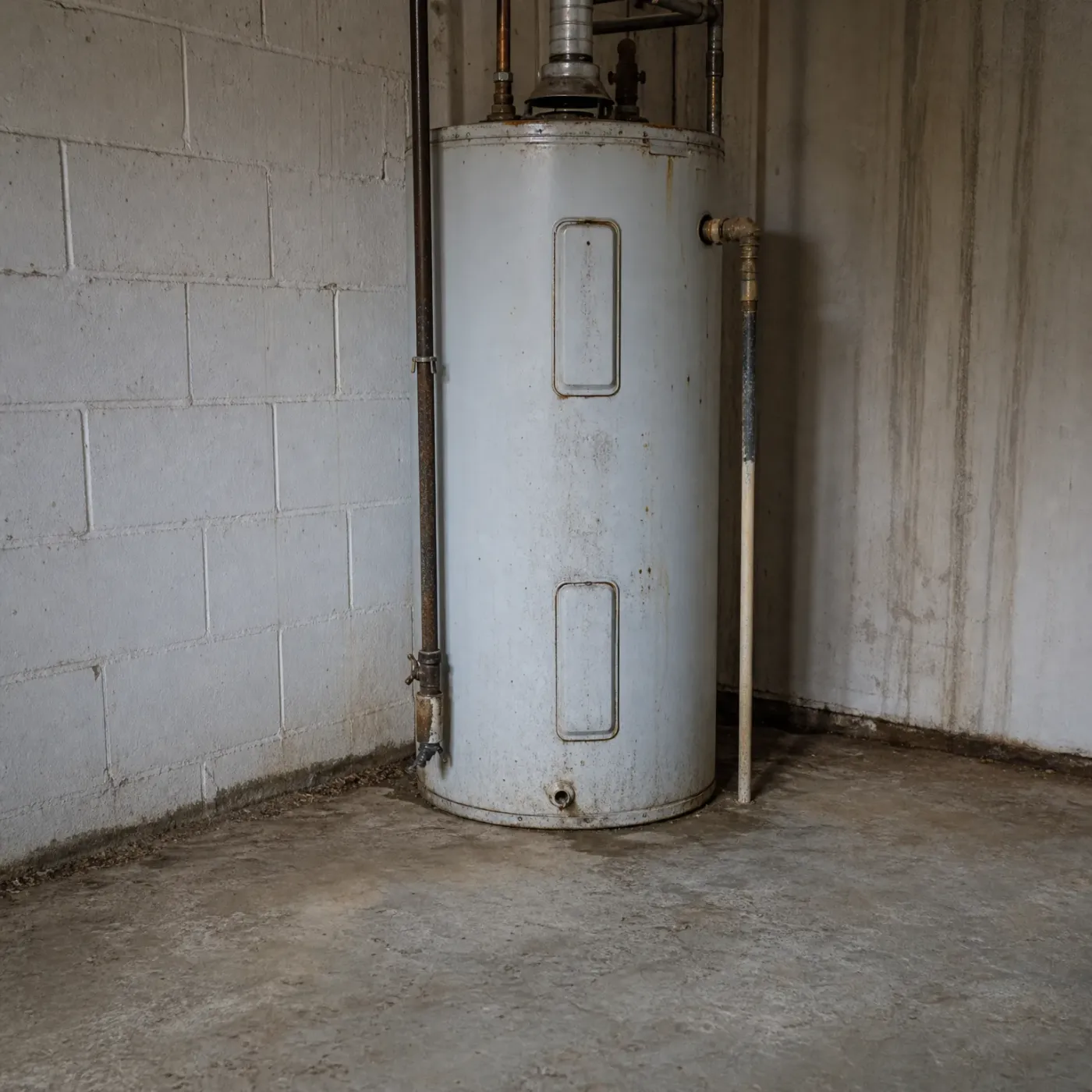
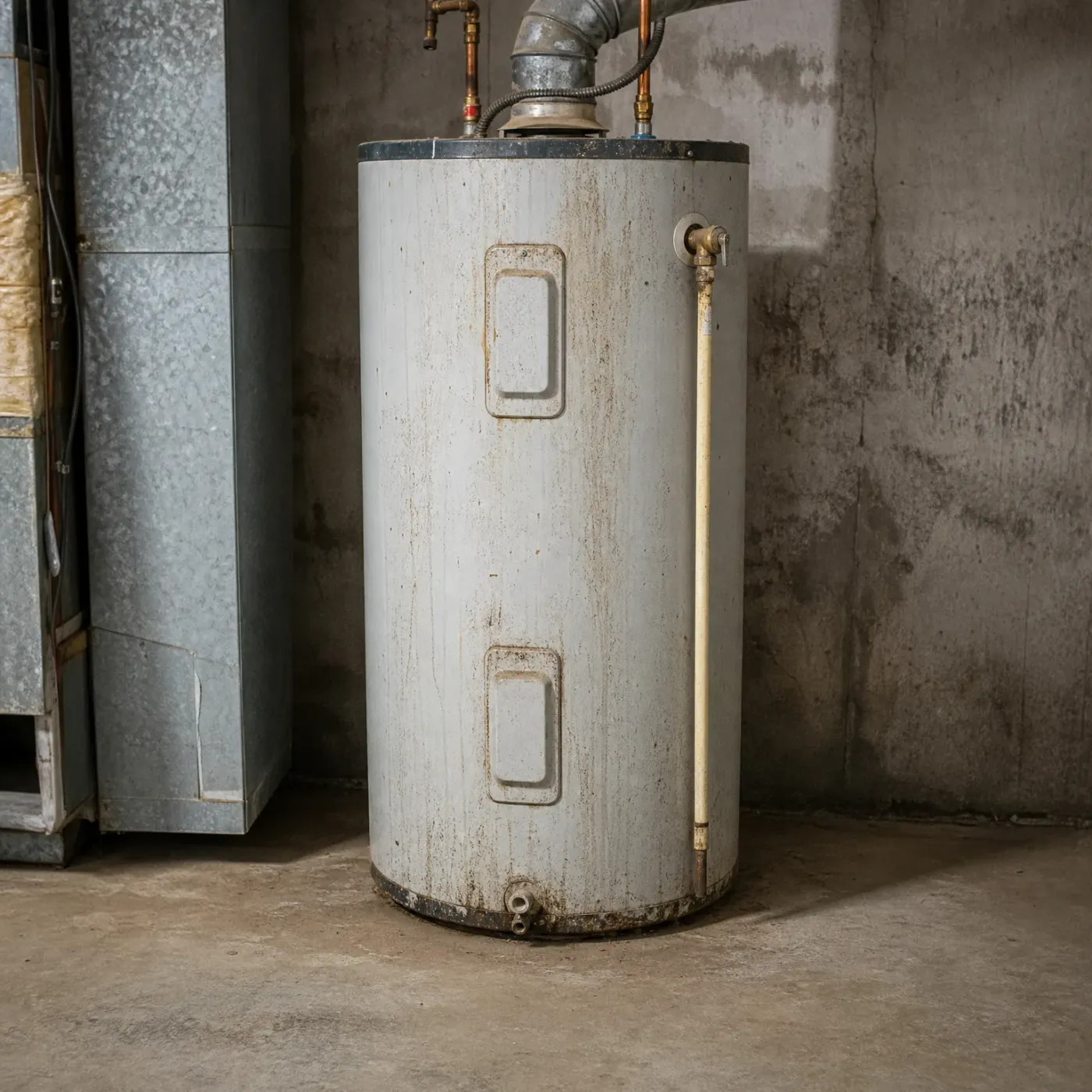
A white cylindrical water heater with rust stains and two access panels stands in a basement corner between a painted concrete block wall and a bare concrete wall, with metal pipes running up and alongside it on a concrete floor.

Too small, showing its age

Rust at the fittings and a drain valve crusted with mineral buildup often mean a tank that's been working harder than it should, heating and reheating all day for a household it was never sized for. Undersized tanks run longer, more often, and wear out before a properly sized one would.

How do I know if a tankless water heater is big enough for my house?

A tankless unit doesn't have a tank size to compare against, so the usual gallon numbers don't help here. You want to know if one can actually keep up when more than one tap or shower is running at the same time, especially since tankless units are rated by flow rate, not by how much water they store.

Check the unit's flow rate against what your household uses at once, not against a gallon number

A tankless heater is rated in gallons per minute, the flow rate it can heat continuously rather than a volume it stores. A shower runs about 2 gallons a minute, a dishwasher less than that, so two showers running together need a unit rated for around 4 gallons a minute or more at your incoming water temperature. That last part matters because the colder the water coming in, the less flow rate the same unit can deliver. A contractor sizing a tankless install for your house checks your groundwater temperature along with how many fixtures might run at the same time, since both numbers decide whether one unit is enough or whether you need two installed in parallel.

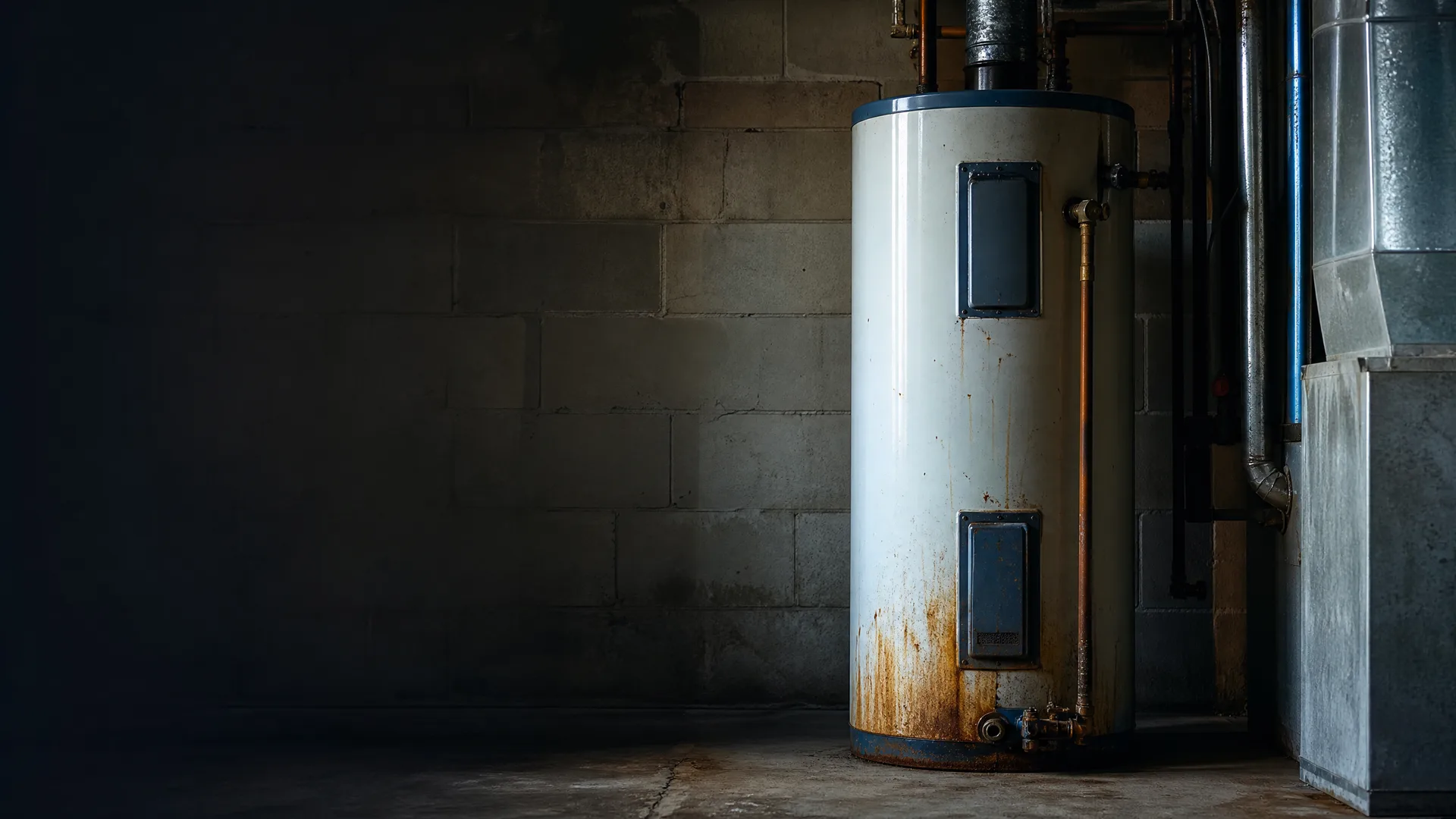
A rusting white and blue water heater with copper and steel pipes stands against a concrete block wall in a dim basement with a bare concrete floor.

You go down to check on the pilot light before bed, and the utility room is cooler than the house. The tank sits in the corner, the one that came with the place, and the rust streaks down its base have gotten longer since the last time you looked close. There's a faint damp patch on the concrete under the drain valve. It hasn't failed yet. The burner still lights, the water still gets hot. But you notice how old the tank looks next to everything you've replaced since you bought the house, and you wonder if the gallon size was ever right for your household, or just whatever was in the house when you moved in.

Get your water heater to the right pro

Getting the size wrong is easy to do on your own. Go too small and you're staring down cold showers every time two people need hot water close together. Go too big and you're paying to keep extra gallons hot all day, and with power costs what they are here, that adds up even on a gas unit's electric ignition and controls. A contractor who sizes water heaters for a living accounts for your household, your fixture count, and whether tank or tankless makes more sense for how your home uses hot water. That's a different answer for a family running two bathrooms at once than for a couple who showers one at a time. Working that out yourself means calling around, explaining your house to each one, then comparing quotes that may not even be sized the same way. Handing that off means one contractor who already knows what you've told them, looking at your actual setup instead of a guess made from a search result.

Recovery rate matters as much as size

A gas water heater's first hour rating tells you more than the gallon number on the tank. It's how many gallons the unit can deliver in an hour once it's running, counting both the stored water and what the burner reheats while you're using it. Two tanks marked 40 gallons can have different first hour ratings depending on the burner. A faster recovery means the tank can be smaller and still keep up with a shower right after a load of laundry. If you're comparing units, ask for this number along with the tank size, since the tank size alone won't tell you whether it matches how your household actually uses hot water.

What an undersized tank does over time

A tank that's too small for the household doesn't fail all at once. The burner runs more often trying to recover between uses, and it short cycles if demand never lets the tank catch up. That extra cycling wears on the burner and the thermostat faster than normal use would. You'll likely notice the hot water running out before the tank shows any other sign of trouble. A correctly sized tank runs through its normal cycle, heats, holds, and recovers, without the burner working harder than it was built to. Getting the size right at installation avoids putting that strain on the unit from day one.

An old rust-streaked cylindrical water heater with two access panels, copper pipes and a flue at the top, and a discharge pipe along its side, standing on a concrete floor beside galvanized ductwork against a bare concrete wall.
Before you get your water heater installation
A gray cylindrical water heater with copper piping and access panels stands against a concrete basement wall beside ductwork and vertical pipes.
After you get your water heater installation

Is your water heater actually wrong for your house

You notice it at the same point every time. The second shower runs cold, or the dishwasher kicks on and someone loses hot water mid-rinse. Maybe the tank is original to the house and you've never actually checked if it matches how many people live there now. A unit that's too small means you're working around it, staggering showers, waiting between loads. One that's too big is burning gas all day to keep water hot nobody's using yet, and with what power and gas both run here, that's a cost that keeps showing up on the bill whether you notice it or not.

A woman wrapped in a cream textured blanket sits in an armchair beside a lit lamp and a dark window, with an open book in the foreground.
A bearded man in a blue and brown plaid flannel shirt stands indoors looking out a window at snow-covered trees, with a ceramic mug on the windowsill.

61% of homes statewide heat with gas

Most homes around you run gas water heaters, not electric, since gas heats 61% of California houses. That's worth knowing when you size yours, because a gas tank recovers faster than an electric one of the same size, so you can often size a notch smaller and still keep up.

ACS 2020-2024 5-year B25040

A woman in a cream sweater and jeans stands in the open doorway of a white stucco house, holding the dark door, while a man in a dark quilted jacket seen from behind walks toward the entry past potted plants.

The right size is the one you stop thinking about

A water heater sized to your household does its job without you noticing. You know the number range now: how many people live there, how many taps can run at once, whether a tank or tankless fits the house better. What's left is matching that to the unit itself, and that's where a lot of households get stuck. Checking first hour ratings, comparing gas models, figuring out what a plumber actually means by recovery rate. That's work most people don't want to take on themselves.

You don't have to sort through that alone or call around getting quotes from contractors who don't know your house. Once you've got a sense of what size fits, the next step is getting matched with a licensed plumber who installs water heaters and having them reach out to you directly, already knowing what you're looking for. No explaining the problem from scratch three different times. Just someone who shows up ready to talk about your house, your household, and the unit that actually fits it.

A living room corner with a beige sofa and cushion, a round wooden coffee table holding a pale ceramic vase of eucalyptus stems and a wooden bowl, and a curtained window with a potted plant above a latticed radiator cover in the background.
A gray-haired, bearded man in a dark coat dusted with snow stands smiling in a dimly lit room with a lamp, mirror, framed art, and a sofa in the background.
An older man with white hair and a beard, wearing a dark snow-dusted coat and scarf, stands in a warmly lit interior hallway with a framed landscape picture, a table lamp and a potted plant behind him, and a snowy view through a window at left.
An older man in a dark snow-flecked overcoat and scarf stands smiling in a warmly lit home entryway, with a glass-paned door showing darkness outside and a lamp-lit room visible through a doorway behind him.
An older man with gray hair and a beard, wearing a dark snow-dusted jacket and scarf, stands smiling in a warmly lit interior hallway with a lit table lamp, a vase of dried branches, and a framed picture in the background.

Water Heater Installation

The right pro for this job

Describe your water heater job once, to one pro.

A black-framed smartphone standing upright against a plain light gray background, its screen filled with solid green.
Step 1 of 3: Equipment