
Why you run out of hot water fast in California

One request and the search for a pro is handled.

Let a pro reach out

Running out of hot water fast usually means the tank can't keep up, not that it's broken outright. Most homes in California run gas water heaters, and gas units recover faster than electric ones, so if yours is taking forever to reheat between showers, something is working against it. A failing heating element or a bad thermocouple can mean the heater never gets the tank up to temperature in the first place. Sediment settled at the bottom of the tank also eats into how much hot water it can actually hold and how fast it recovers, so a 50 gallon tank can start acting like a much smaller one. If your household's hot water use has grown, an undersized tank will show its limits the same way, running short before everyone's done. A plumber can tell you quickly which of these it is and whether the fix is a repair or a different sized tank.

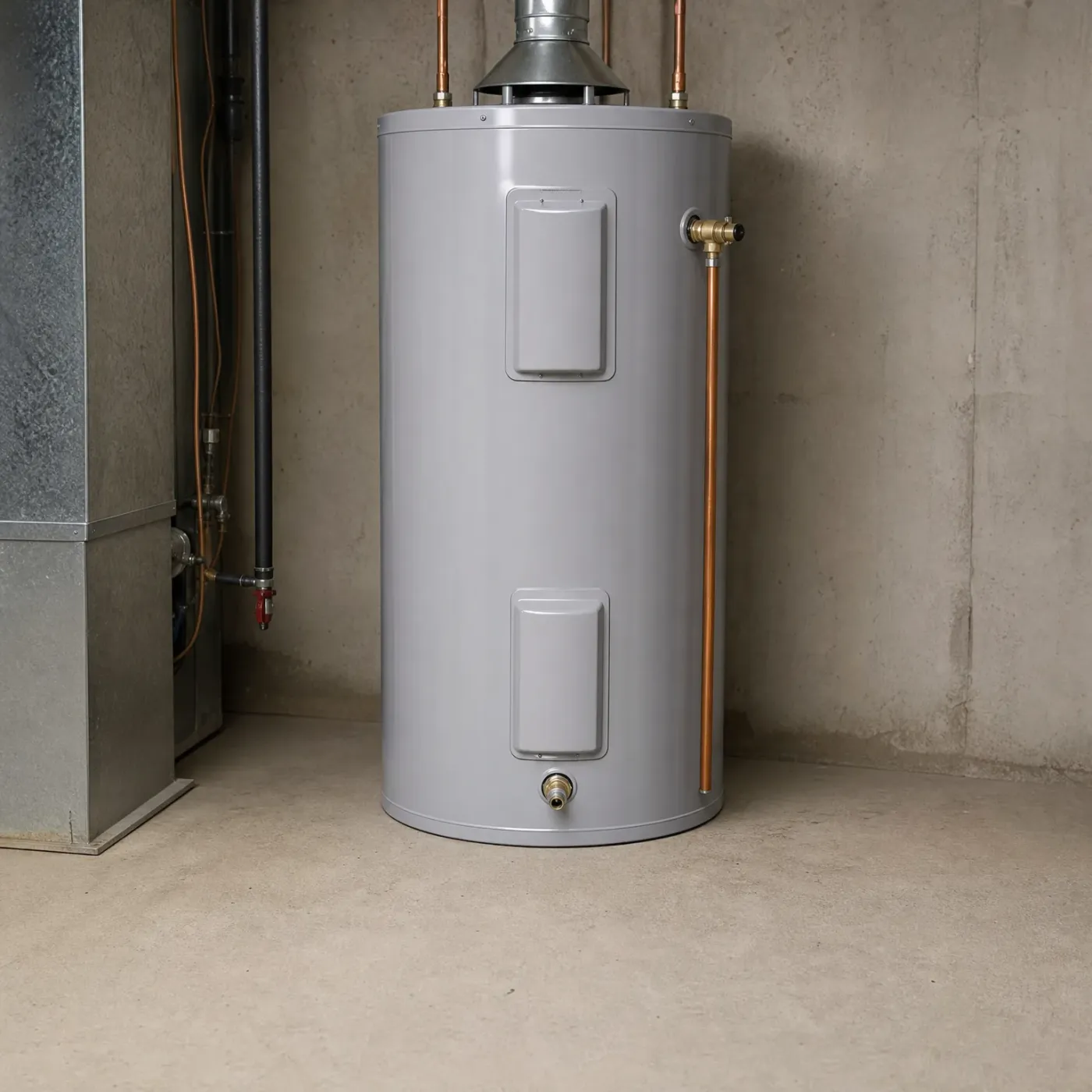
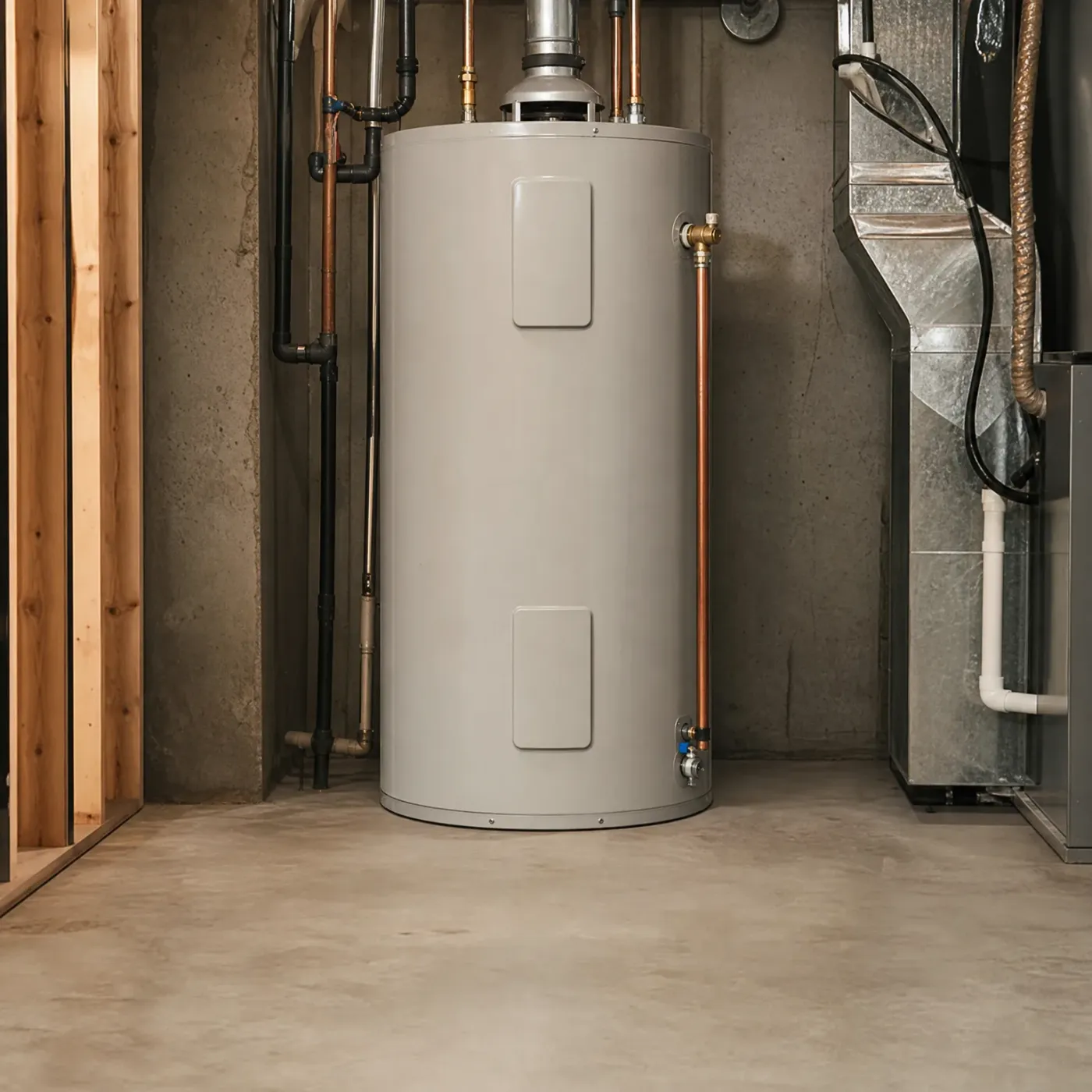
A gray cylindrical water heater with copper piping and access panels stands against a concrete basement wall beside ductwork and vertical pipes.

When it's working the way it should

A water heater that's keeping up looks ordinary. The tank sits quiet, the fittings are dry, and the pressure-relief valve shows no sign of weeping. Hot water comes back between showers because the burner or elements are doing their job.
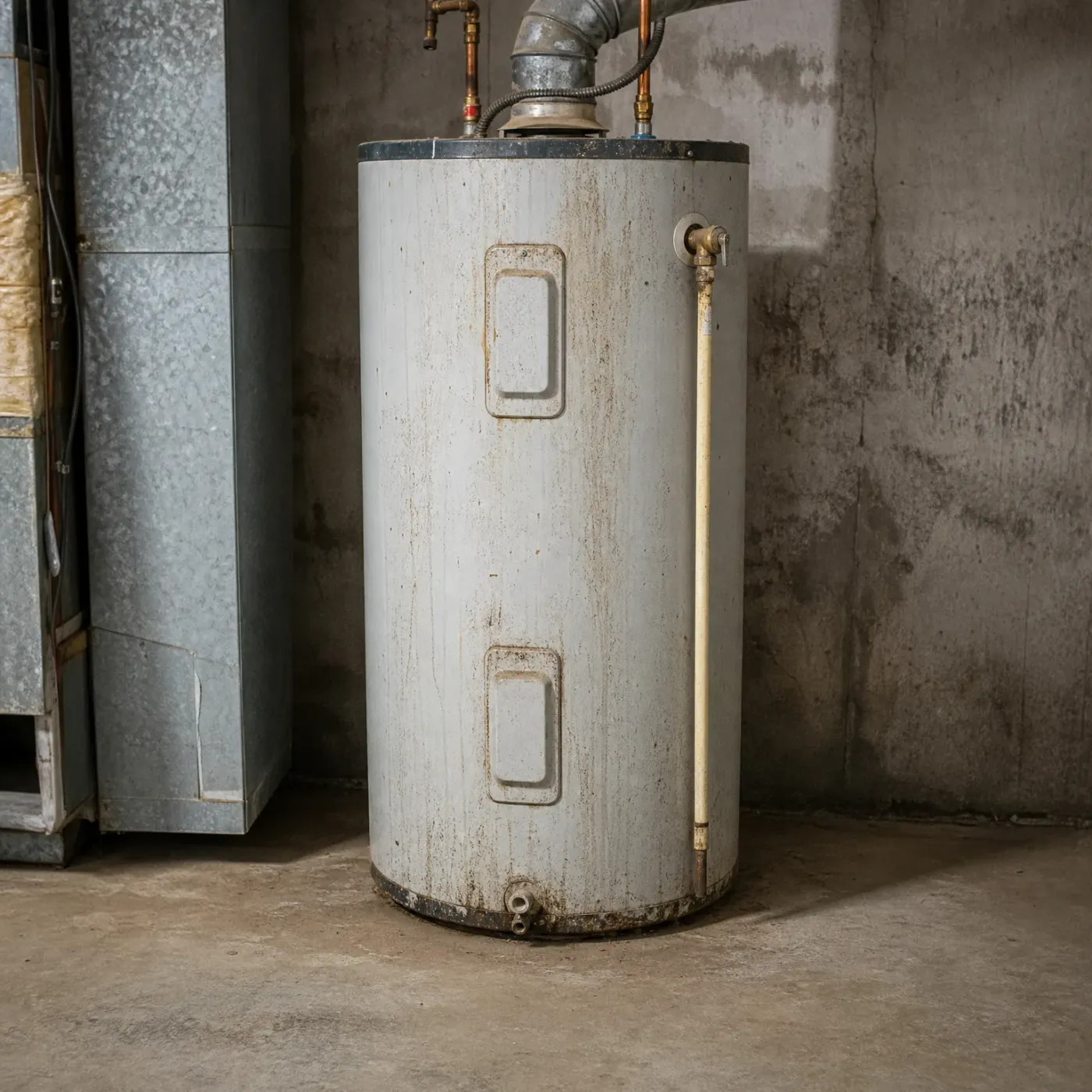
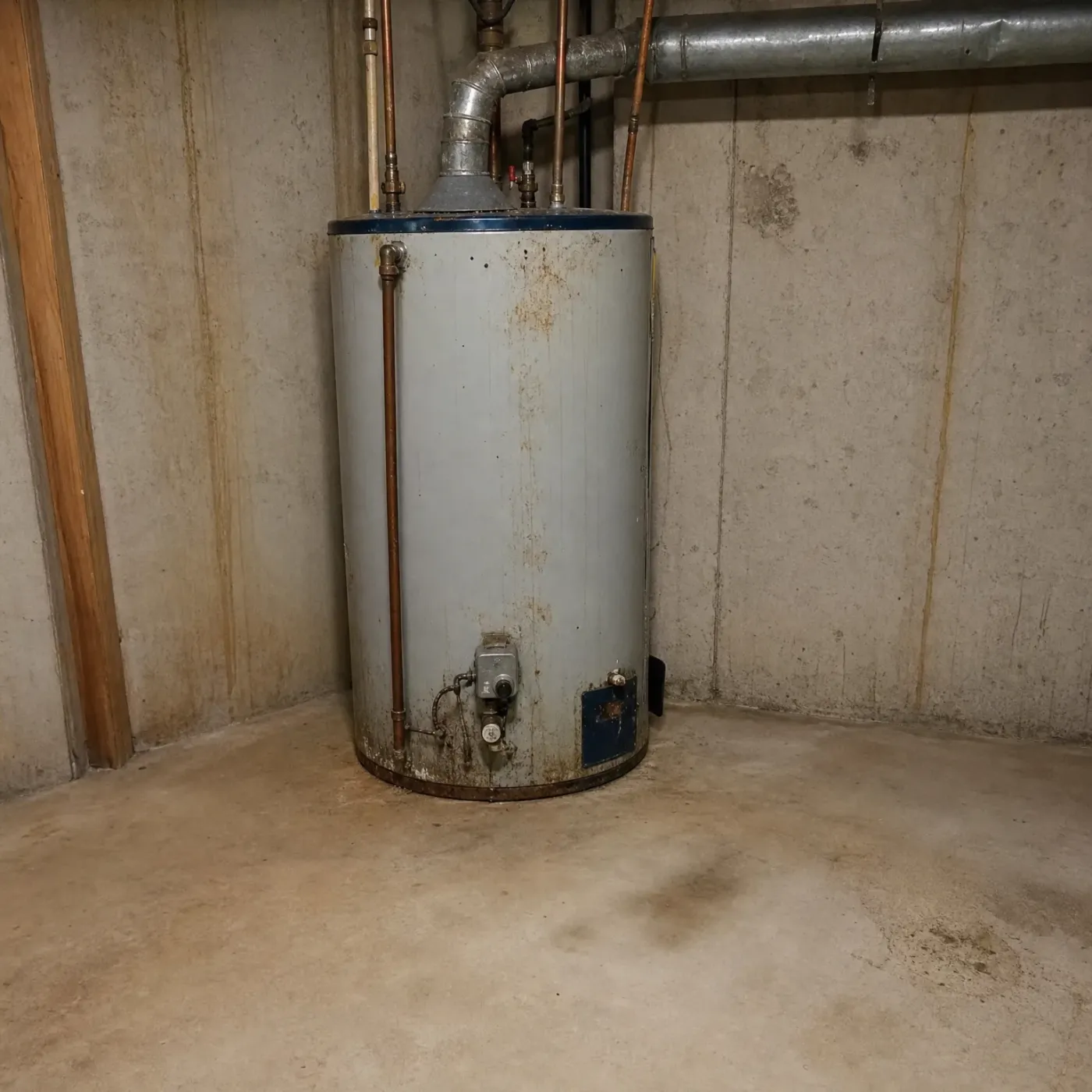
An old rust-streaked cylindrical water heater with two access panels, copper pipes and a flue at the top, and a discharge pipe along its side, standing on a concrete floor beside galvanized ductwork against a bare concrete wall.

When the tank is behind

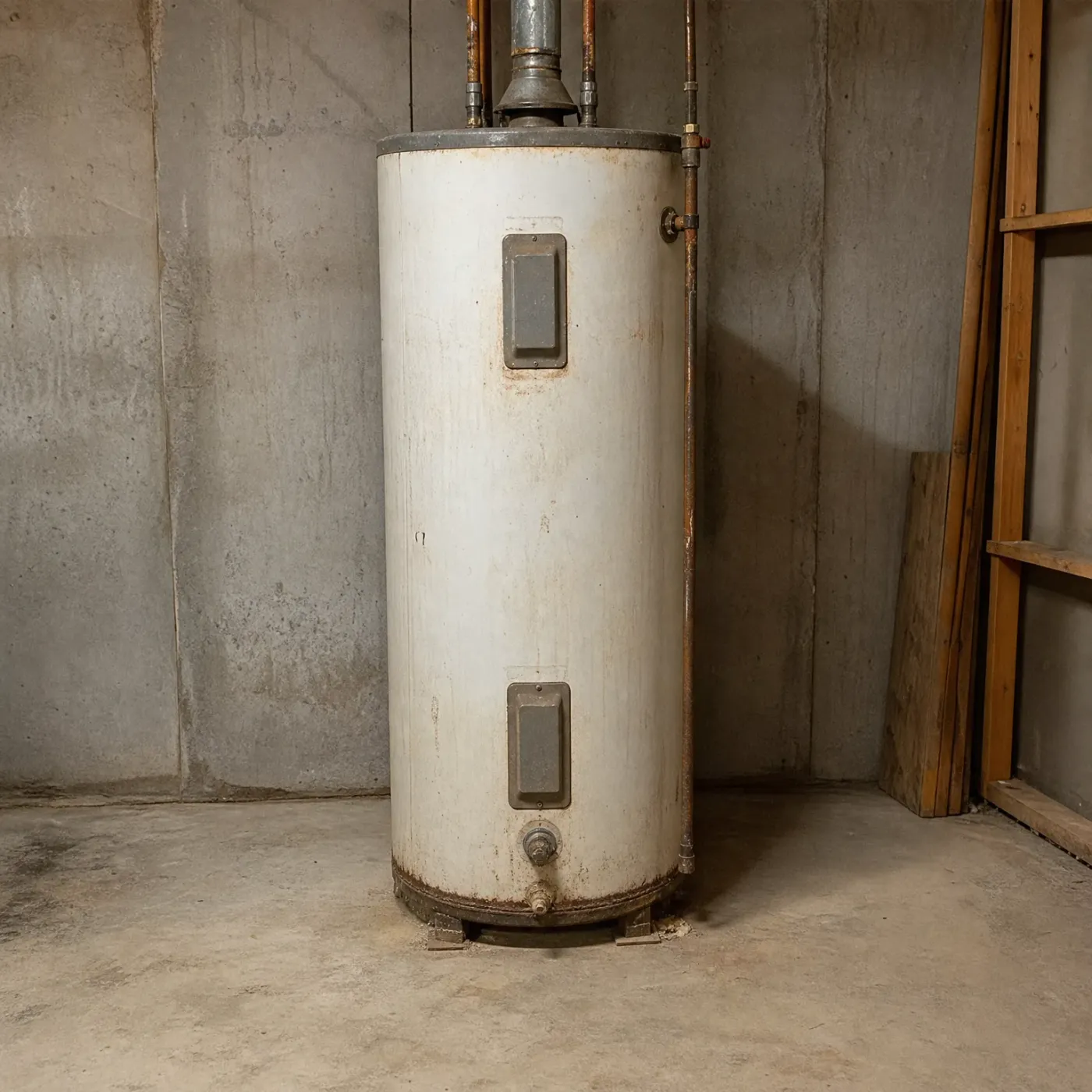
Rust on the tank, a discharge pipe that's seen water, and corroded fittings at the top all point to a unit that's losing ground. Once the inside starts to go, it heats less water and loses it faster, which is why the hot water runs out sooner.

A rusted white cylindrical water heater with two access panels stands in a concrete-walled basement corner, with pipes rising from its top and wooden boards leaning against the wall at right.
Before you get your water heater repair
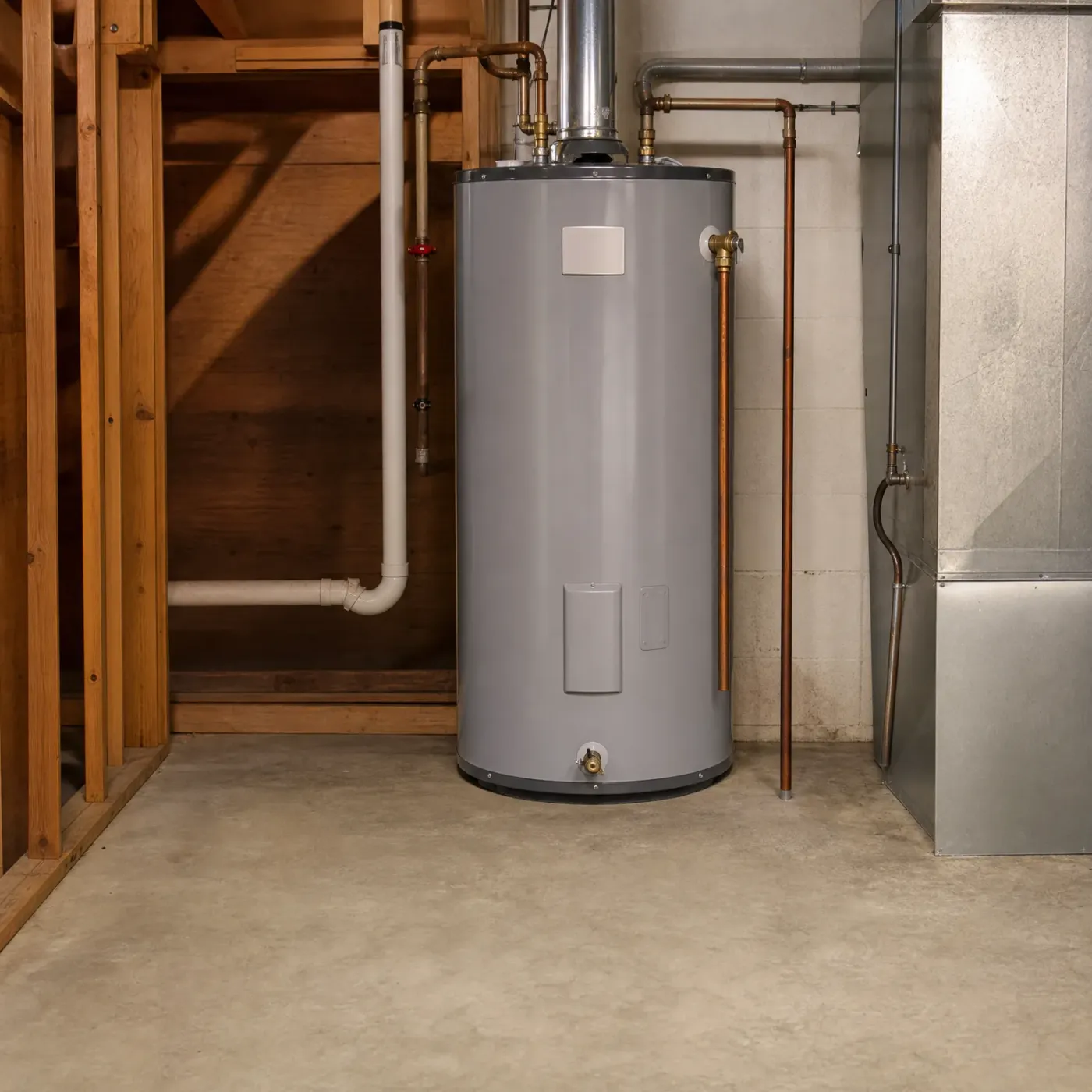
A gray cylindrical water heater stands on a concrete basement floor between an unfinished wood stud wall and a metal furnace duct, with copper and PVC pipes running along the concrete block wall.
After you get your water heater repair

Cold water enters at the bottom of the tank, and the burner underneath heats that bottom layer first. Hot water draws off the top, so as long as the burner is keeping pace, you shouldn't feel the drop. The thermostat is what tells the burner to fire, kicking on once the water cools a few degrees. If it's failing, the burner shuts off early and the tank stops reheating long before it's empty. Sediment makes the same problem worse from a different angle. It settles on the tank bottom, between the burner and the water, and slows how fast heat gets through. A 40 gallon tank with a thick layer of sediment can behave like it holds half that. The dip tube plays a role too. It's supposed to push incoming cold water to the bottom, but a cracked one lets cold water mix in near the top, right where your hot water draws from. A worn thermocouple or flame sensor can also cut the burner off early. None of this touches the pressure-relief valve or the anode rod. If those are fine and you're still running out fast, the burner or the sediment is where it usually traces back to.

How a gas tank actually reheats

  • A gas water heater draws cold water in at the bottom of the tank and burns gas underneath it to heat that layer first, so recovery depends on the burner, not just the tank size.
  • The thermostat holds the water at one set temperature and fires the burner whenever it drops a few degrees, so a failing thermostat can cut recovery short long before the tank runs empty.
  • Sediment settling on the bottom of the tank sits between the burner and the water, so it slows heat transfer and can make a 40 gallon tank act like it holds half that.
  • The dip tube sends incoming cold water to the bottom of the tank, and if it's cracked, cold water mixes in near the top where the hot water draws from.
  • A thermocouple or flame sensor that's wearing out can let the pilot or burner shut off early, so the tank stops reheating well before the next shower.
  • The pressure-relief valve and the anode rod don't affect recovery speed, so a tank running out fast with both in good shape usually points back to the burner or the sediment.
A woman in a knitted shawl sits in a living room with a fireplace, shelves, a sofa with cushions, and a lamp by a bright window, looking off to the side.
A woman with long brown wavy hair in a green shirt over a white top stands in a living room with built-in white shelves, a ceiling fan, a potted plant and a sliding glass door.
A woman with shoulder-length gray-streaked hair in a light gray knit sweater stands smiling and looking off to the side in a living room with a sofa, houseplant, framed picture, and sunlit sliding glass door.
A woman with shoulder-length curly gray hair wearing a gray knit sweater stands near a window with a sheer curtain, looking to the side, with a blurred interior room behind her.
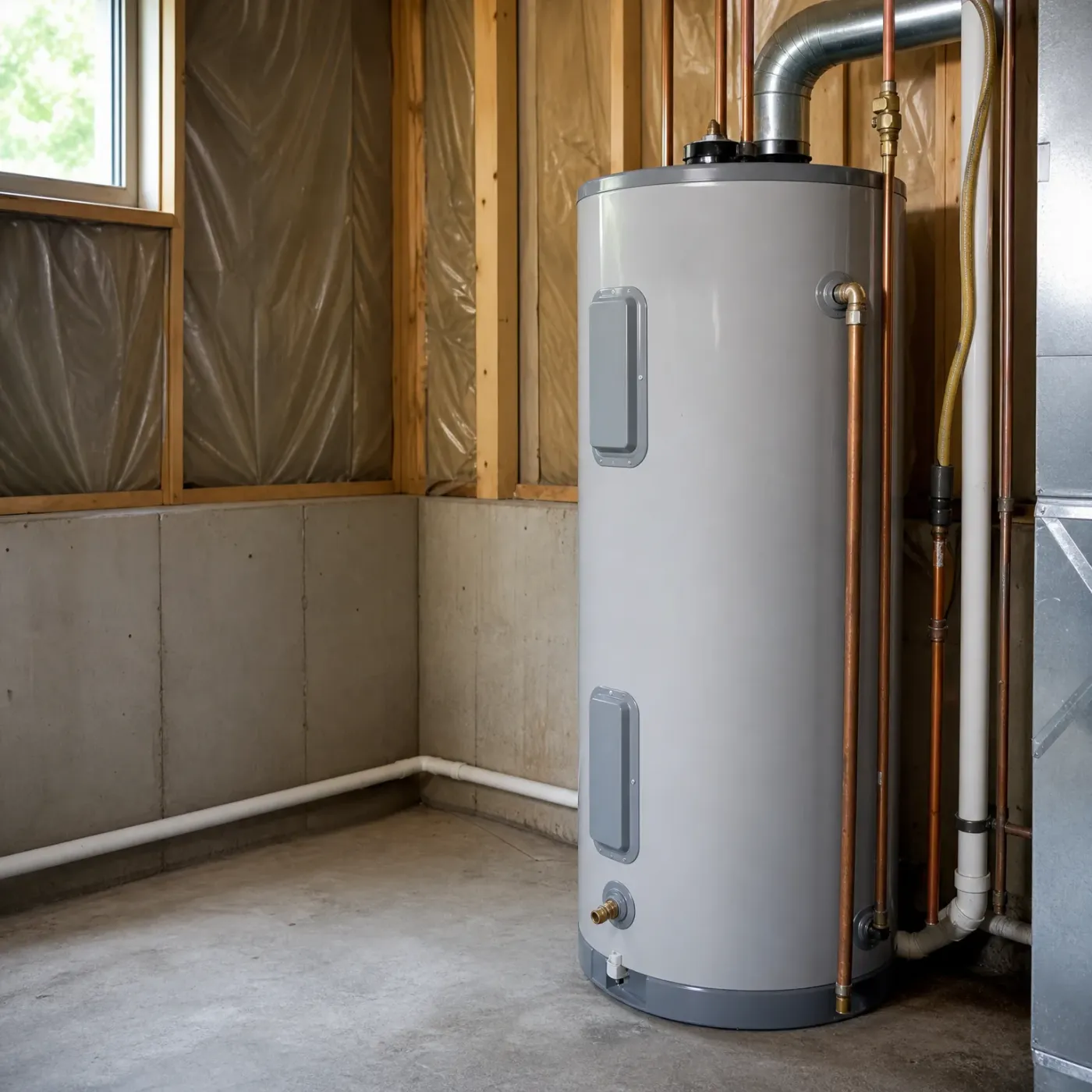
A gray cylindrical water heater stands in a basement corner with exposed wood framing, plastic vapor barrier, concrete walls and floor, copper and PVC piping, and a metal flue vent.

Finding a pro stops being your job

Your request goes to one pro, not a list of companies.

Send it once and finding someone is no longer on you.

Find a licensed pro

There's no charge for the request.

Why does my hot water run out faster in the morning?

Mornings are when everyone in the house wants hot water at once, back to back, with no gap in between. If showers overlap with a load of dishes or the washing machine, it can feel like the tank is weaker in the morning than it is the rest of the day, even though nothing about the water heater has changed overnight.

Morning demand stacks up faster than the tank can recover

A gas water heater only reheats as fast as its burner allows, and that rate doesn't change based on the time of day. What changes in the morning is how close together the draws are. One shower pulls hot water off the top of the tank, and if the next shower starts before the burner finishes reheating that layer, it starts with water that's already cooler. Run the dishwasher or a load of laundry in the same stretch and the tank falls further behind. By evening, with hours between uses, the tank has caught up and feels normal again. If mornings consistently run short, a thermocouple or a burner that's not reaching full output can slow recovery enough to notice.

A gray cylindrical water heater with copper piping and a flue stands on a concrete floor in a basement corner beside ductwork and metal equipment.

Tank recovering normally

This is what a tank keeping up looks like. No rust on the jacket, no water pooling at the base, the discharge pipe at the relief valve dry. Gas burns underneath, the flue draws the exhaust out, and the tank refills and reheats fast enough that you don't notice it working.

An aging gas water heater with rust streaks stands in the corner of a concrete-walled basement, with copper pipes and a metal flue duct running overhead.

Tank losing the fight

Rust like this on the tank body means the steel underneath is thinning, and a thinning tank holds heat worse than a sound one. Staining on the floor points to a slow leak, and a corroded flue pipe can mean the exhaust isn't venting the way it should. This is a tank running out of hot water because it's failing, not because anyone used too much.

A woman and a sleeping child wrapped together in a cream knitted blanket on a couch, with a potted plant, framed photo and lit lamp in the background.
An older woman with gray hair in a bun and glasses, wearing a beige knit sweater, smiles while looking to the side in a warmly lit kitchen, with a loaf of bread on the counter in the foreground and a snowy scene outside the window.
  1. Cold water enters the tank at the bottom first

  2. The burner underneath fires and heats that bottom layer

  3. The thermostat shuts the burner off at the set temperature

  4. Hot water draws off the top as you run a tap

61% of homes statewide heat with gas

Odds are your own water heater runs on gas like most homes here. Gas recovers faster than electric, so if you're still running out between showers, that points to the burner or the thermostat falling behind, not the fuel you're using.

ACS 2020-2024 5-year B25040

What This Comes Down To

  • Running out fast points to the burner or thermostat falling behind, not a broken tank.
  • A gas water heater that recovers slower than it used to is worth having checked before it fails outright.
  • A local contractor who services gas water heaters all year knows which parts in these tanks tend to fail first.
  • You get matched with one licensed contractor, not a string of calls from companies competing for the job.
  • Catching the cause now means fewer cold showers while everyone in the house is trying to get ready.

A tank that used to carry the household through back to back showers and now falls short is telling you something specific. The burner isn't keeping pace with the thermostat's demands, or the thermostat itself is cutting out early, and either one shows up the same way: hot water that quits sooner than it used to. That's a repair, not a reason to start pricing a new unit. Gas water heaters recover fast when the burner is doing its job, which is why the slowdown stands out so clearly once it starts. Left alone, it tends to get worse, not better, and the mornings where everyone needs hot water at once are where you'll feel it first. A contractor who works on these tanks all year in this area has likely already seen whatever is going on with yours. These units follow patterns, and someone local who services them through every season knows which parts tend to give out first and what that failure looks like before it gets worse. The match you get through this page is with one contractor, licensed to do this work, not a handful of companies competing for the callback. That means one visit to arrange, not five quotes to sort through while your household is stuck with cold showers. Getting the cause found now is what keeps this from turning into a bigger repair, or a morning where there's no hot water left for anyone.

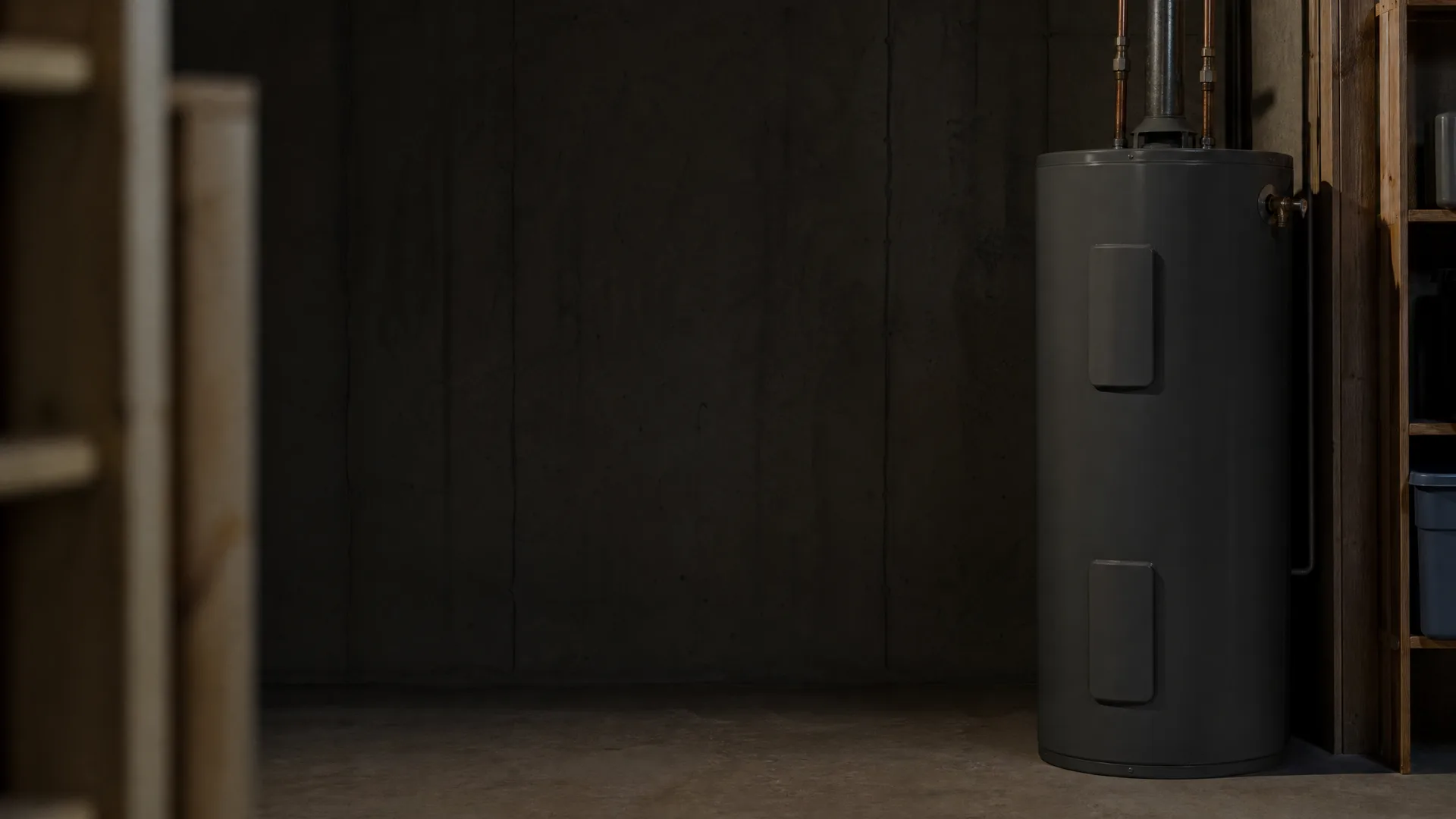
A dark gray cylindrical water heater with copper pipes at its top stands against a concrete basement wall, with wooden shelving and framing in the foreground at both edges.

Let someone else find the pro

The pro who reaches out is licensed in California.

Step 1 of 3: Equipment