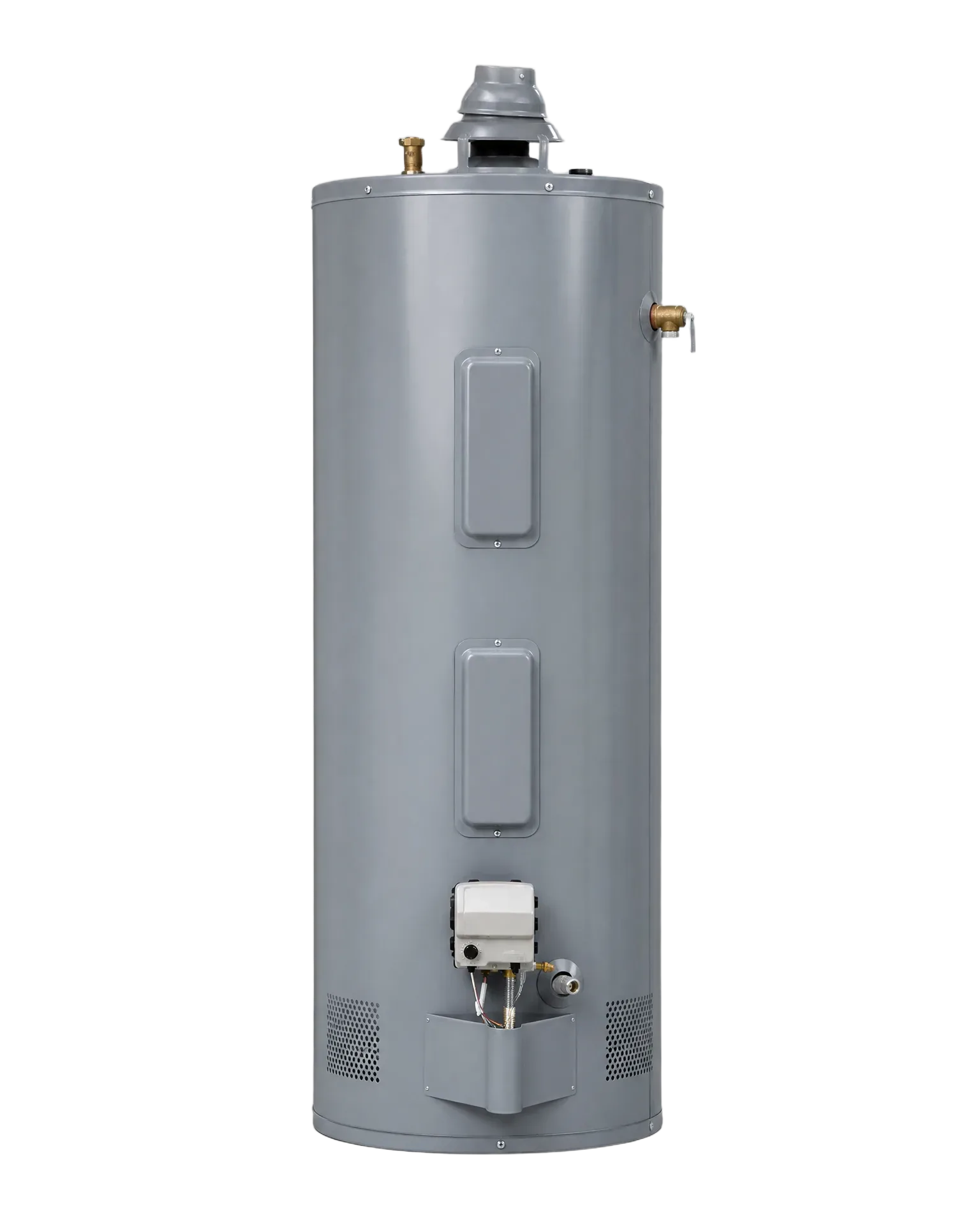
Why does my hot water smell like rotten eggs?
You turn on the hot water and get hit with a smell like rotten eggs. It's not coming from the drain or anywhere else in the house, just the hot tap. It's unpleasant enough that you want to know what's causing it before you use that water for dishes or a shower, and whether it's something to worry about.
That smell usually means bacteria reacting with the anode rod inside your water heater tank.
Most water heaters have a metal rod inside the tank that attracts corrosion so the tank itself doesn't rust out. When certain bacteria build up in the tank and react with that rod, they produce a gas that smells like rotten eggs. It shows up in hot water and not cold because the bacteria live in the warm tank, not in your pipes. Gas heats most homes in California, but the smell has nothing to do with the gas line. It's a tank problem. The smell doesn't usually mean the water is unsafe, but a tank that's grown bacteria like this needs a contractor to look at the rod and flush the tank before it gets worse.
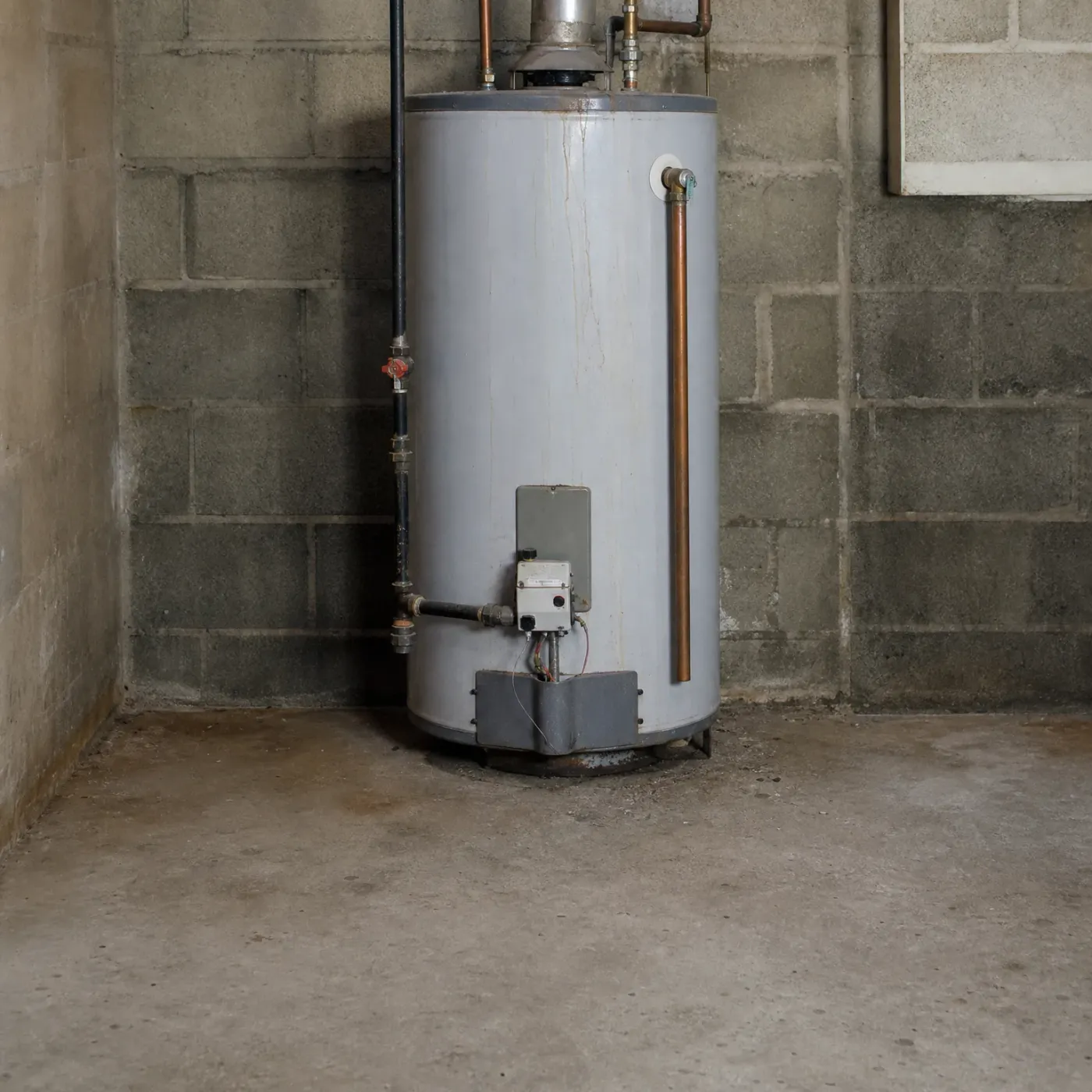
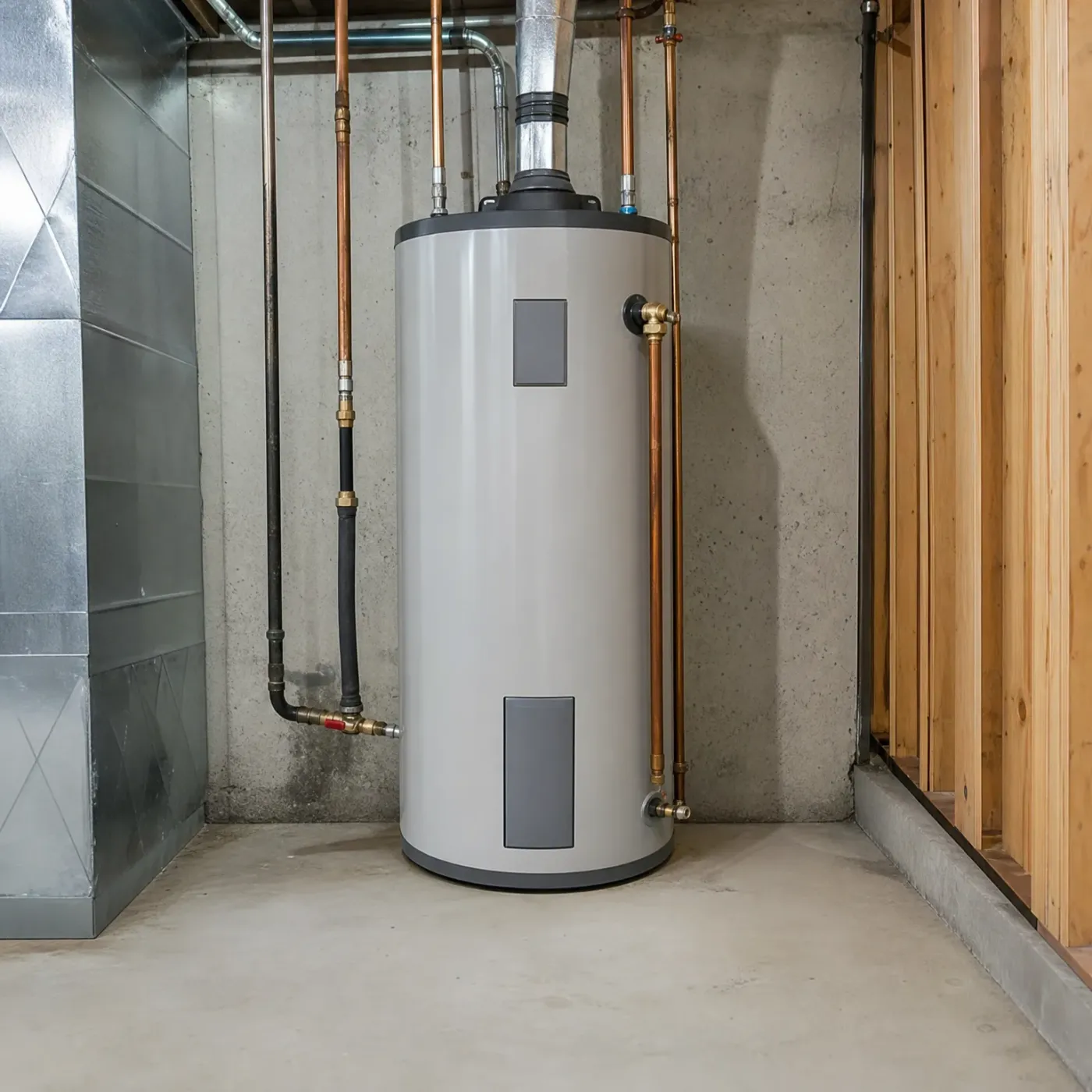
What's Actually Happening Inside the Tank
- The smell comes from hydrogen sulfide gas forming inside the tank, not from anything in your water supply.
- Most water heaters have a magnesium or aluminum anode rod meant to corrode first and protect the steel tank.
- Certain naturally occurring bacteria feed on that rod and produce hydrogen sulfide as a byproduct.
- Hot water usually strips any oxygen that would otherwise keep those bacteria in check.
- A rod that has corroded down to the steel core can no longer slow the reaction, and the smell gets worse.
- If only the hot tap smells and the cold tap doesn't, the tank itself is almost always the source.
The reaction starts with the anode rod. Every tank-style water heater has one, usually magnesium or aluminum, bolted into the top of the tank and running most of its length. Its job is to corrode so the steel tank doesn't. That's the whole point of it. Where it gets complicated is certain bacteria that occur naturally in groundwater find that corroding metal to be a food source, and hydrogen sulfide gas is what they leave behind. In cold water or moving water, dissolved oxygen usually keeps these bacteria from taking hold. A water heater tank removes that protection, since heating water drives the oxygen out, which is exactly the condition these bacteria need. Early on, a healthy anode rod and a small bacteria population might produce a smell too faint to notice. The problem compounds as the rod wears down. Once it's corroded past a certain point, down to the steel wire at its core, it stops reacting the way it should, and whatever bacteria are present have nothing holding them back. That's usually when the smell goes from faint to something you notice the moment you turn on the tap. One way to tell the tank is the source rather than the plumbing or the water supply: run the cold tap. If it's odorless and only the hot water smells, the reaction is happening inside the tank itself, not anywhere upstream of it.
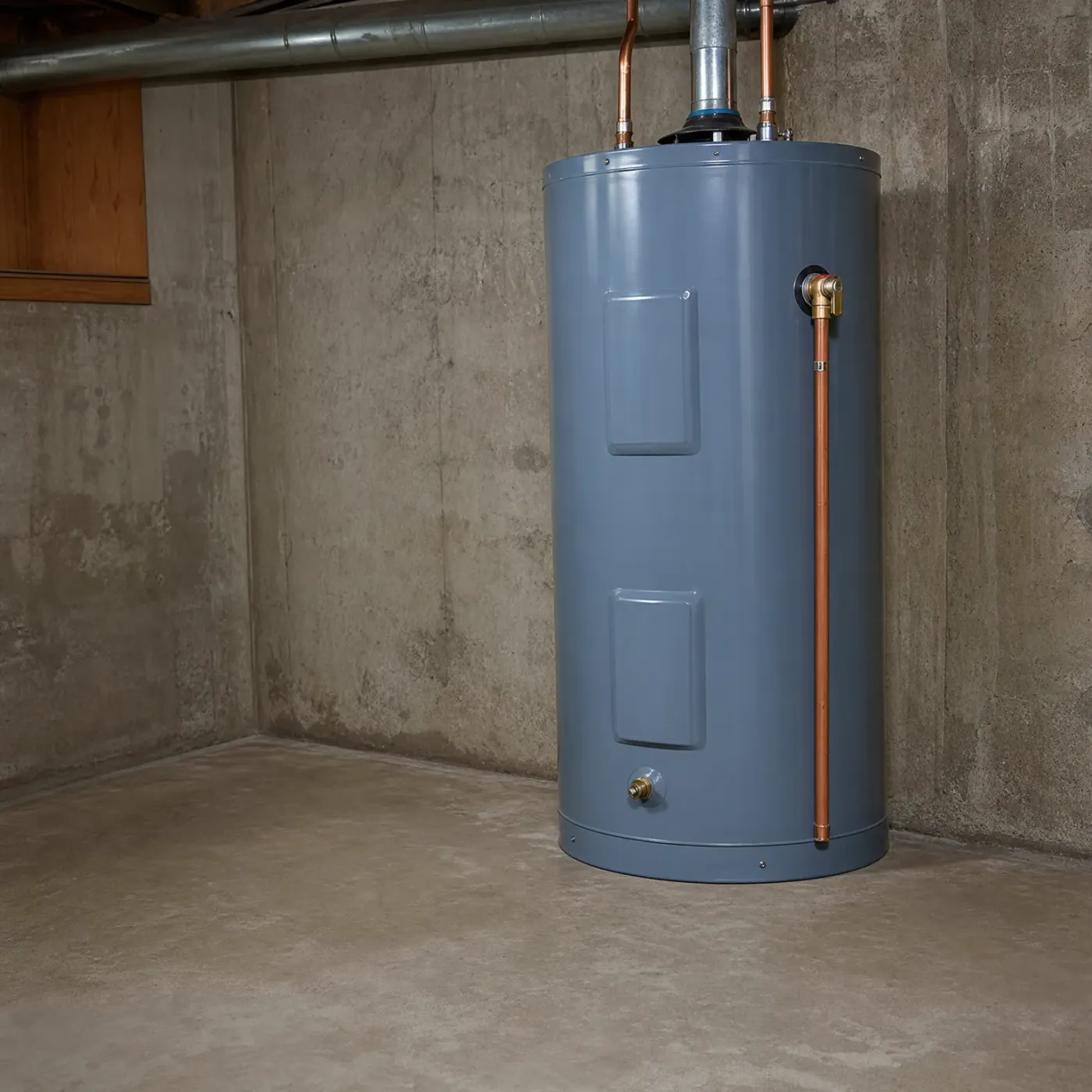
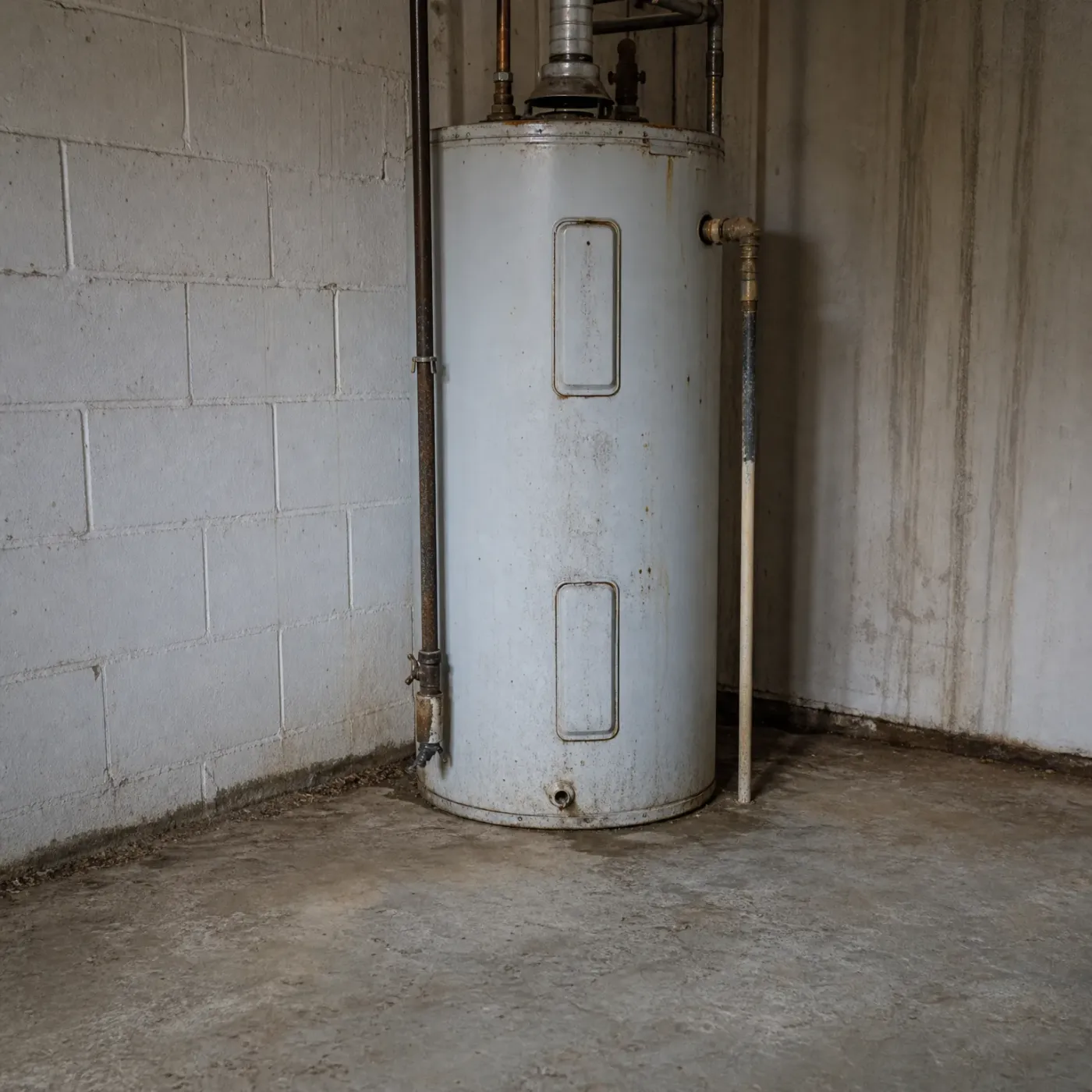
Is it only the hot water, and only at home
Run the cold tap and the smell is gone. Run the hot tap at the kitchen sink or the shower and it's back. That's the pattern most people notice first, and it usually shows up strongest first thing in the morning, after the water in the tank has sat overnight. Some households notice it fades a little once the water has run for a bit, then returns the next time the tank sits. Left alone, the reaction inside the tank that's causing the smell keeps going, and the byproduct of that reaction is what's eating at the steel underneath. The smell is the warning. The tank itself is what's at risk.




Hand off the water heater problem
That smell doesn't clear up on its own, and leaving it means living with a hot tap you don't want to use for dishes, showers or anything else. Tracking down someone who works on water heaters usually means a string of calls, explaining the smell over and over, then sitting with a handful of quotes trying to guess which one is fair. You don't have to do any of that here. Send the request once and the work of finding a licensed contractor in California is off your plate. No calling around, no repeating yourself to five different shops, no comparing bids against each other. You get your water heater back, and your hot water with it, without being the one who has to chase it down.

You turn the shower on and step back to let it heat up, same as always on a weekday morning. No steam comes up over the glass. You reach in and the water's warm enough, but the smell hits before you even get under it, that rotten egg smell riding up with the hot water. Your towel's already hanging on the rail, ready. You stand there a second deciding if you're still getting in. California mornings don't need the heat cranked up the way other places do, so you notice right away when something else is off, and this is off. You turn the hot down, let more cold mix in, just to cut the smell enough to get through it.
Flush the Tank or Replace the Rod
Flush the tank
- A full flush clears out the sediment and buildup where the bacteria causing the smell tend to live.
- It's less invasive and usually gets tried first if the tank itself is still in decent shape.
- If the anode rod is only partly worn down, a flush alone might clear the smell for a while.
- The smell can come back if the rod keeps reacting with the same water once sediment builds up again.
- It won't help if the rod is already gone, since the reaction causing the odor is still happening.
Replace the anode rod
- Swapping in a new rod gives the tank something fresh to corrode again instead of reacting with sulfate in the water.
- This is the direct fix when the smell traces back to a rod that's worn down or gone entirely.
- A rod swap addresses the actual chemical reaction, not just the sediment it left behind.
- Some tanks take an aluminum-zinc rod instead of magnesium, which cuts down on the sulfate reaction that causes the smell in some water.
- If the tank has already started rusting through, a new rod won't undo that damage underneath.


61% of homes statewide heat with gas
Most houses in California run a gas water heater, not an electric one. Gas doesn't change why the smell happens, that's the anode rod and the bacteria inside the tank either way. But it does mean a technician coming out to look at the smell is likely working on a gas unit, with a pilot or igniter to check along with the tank itself.
ACS 2020-2024 5-year B25040
The rotten egg smell in your hot water comes from the anode rod reacting with bacteria in the tank, and it stays until someone either flushes the tank, swaps the rod, or treats the water, depending on how far along it is. None of that happens by itself. What usually eats the evening isn't the repair, it's getting to it: searching for someone who actually works on water heaters, calling a few of them, explaining the same smell and the same symptoms each time, then sitting with quotes trying to guess who's worth the call back. Send the form and that part is done. You're not the one tracking down a contractor anymore, not the one repeating yourself to a third person on the phone, not the one piecing together whether a quote is fair. Someone who works on gas water heaters in California takes it from here. The smell has a cause, the cause has a fix, and the part of this that was yours, finding someone to do it, is no longer sitting on your evening.
Send one request and you're done looking
Describe your water heater job once, to one pro.