Tell us about the job
Takes about a minute. No obligation.
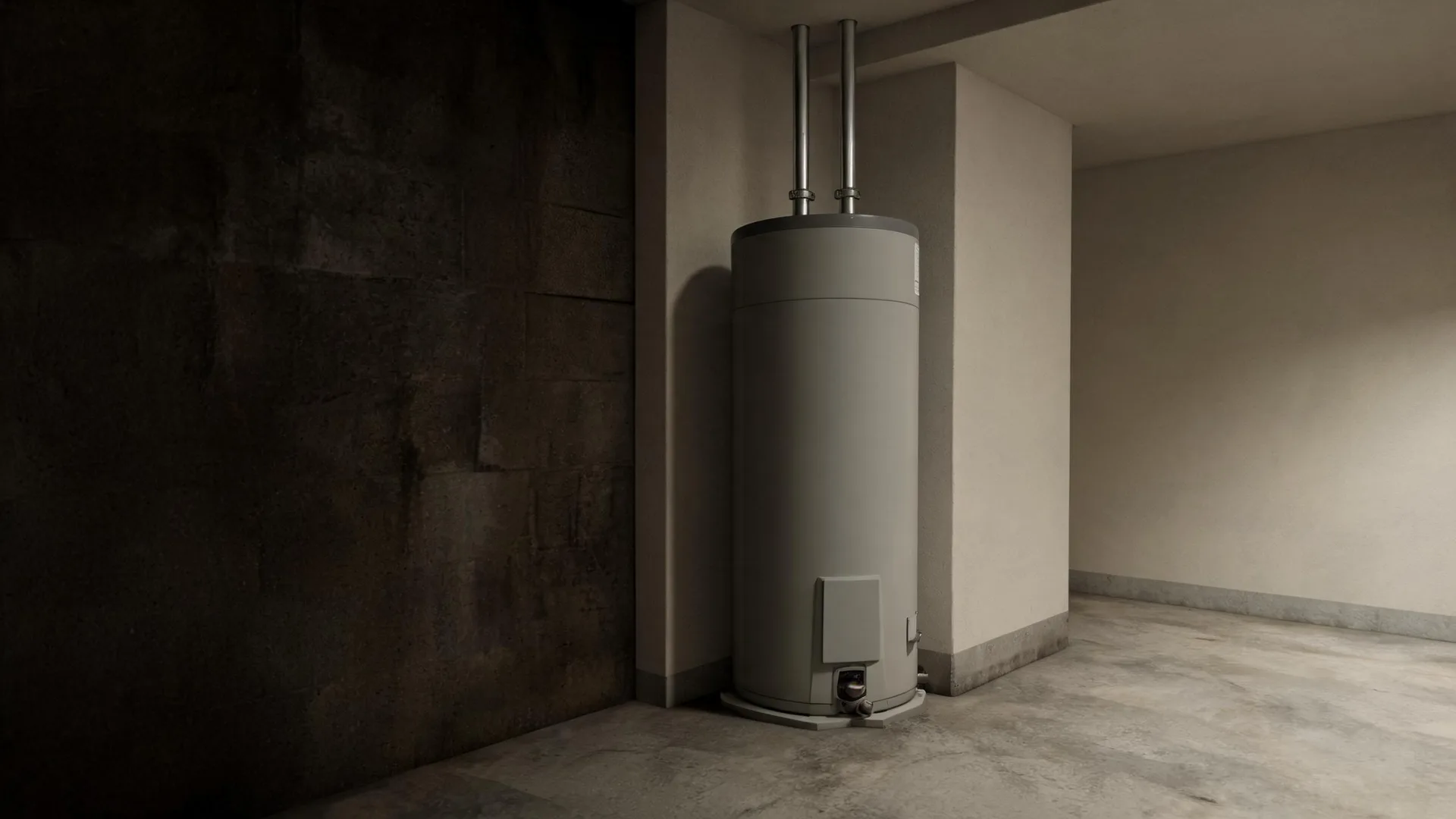
Gas-fired water heaters carry their load through the burner, the thermocouple, and the gas valve, and those are the components a contractor checks before anything else. Utility gas heats more occupied homes in Glenn County, California than any other fuel, at 39.8% (2020-2024 ACS 5-year). A heater burning utility gas cycles its ignition system every time the tank drops below setpoint, which in a household running daily hot water means the igniter and the flame sensor accumulate more wear than any other part. When a repair call comes in, the contractor is usually looking at one of those two components, or at sediment in the tank that has forced the burner to work harder than it was rated to.
A water heater that has been running since a house was new carries a different repair picture than one installed recently. Half the homes in Glenn County, California were built in 1977 or earlier (2020-2024 ACS 5-year). Tanks in stock that old accumulate sediment, the anode rod has often gone without replacement, and the valve components a contractor finds inside are frequently from a generation of parts that suppliers no longer stock in volume. That last point changes the job: a contractor who opens the unit and identifies a failed component still has to confirm the part is available before the repair scope is settled.
The Parts of a Water Heater a Contractor Checks First
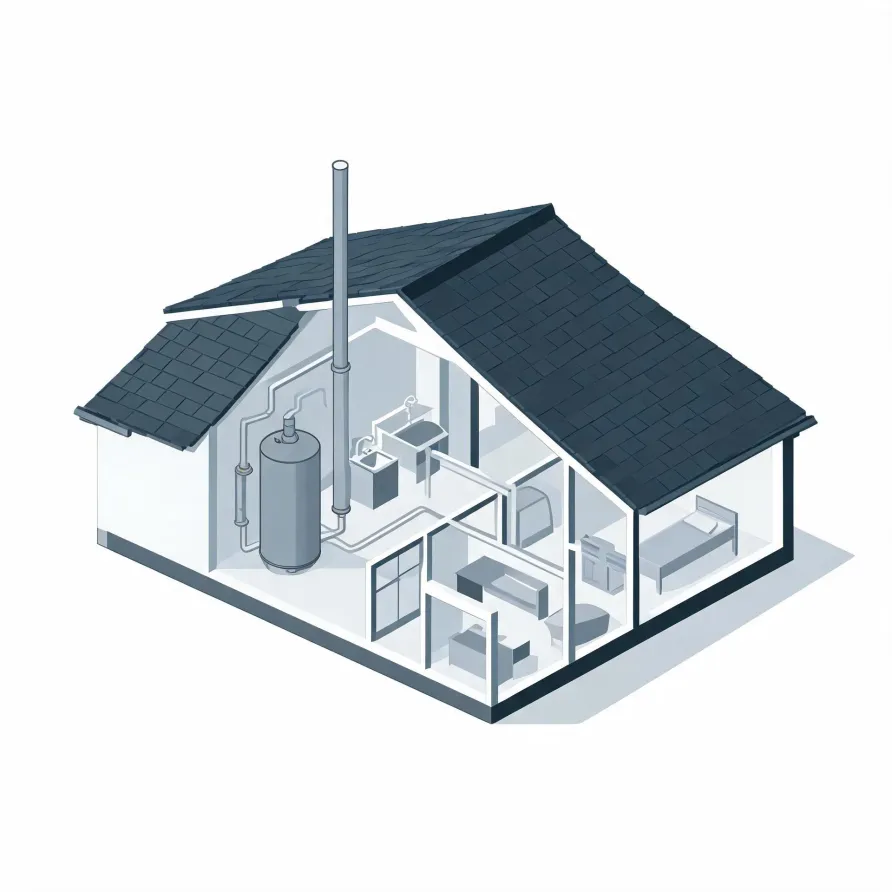
The tank is the center of the system, a large insulated vessel that sits in a utility closet, garage, or basement and holds water at a set temperature. The burner or heating element sits at or near the base of the tank and is the first place a contractor looks when water stops getting hot.
The thermostat controls when heat is applied and at what level, and a faulty one is a common reason a tank runs too cold or overheats. The pressure relief valve mounts on the tank's side as a safety device, and the anode rod runs inside the tank to slow corrosion. Both are inspected when a contractor opens the job.
The drawing shows a general layout of these components, and a licensed contractor determines which of them applies to the specific system in your home.
Get matched in Glenn CountyGlenn County by the Facts
30 severe weather events were recorded in Glenn County, California between 2015 and 2024.
NOAA National Centers for Environmental Information, Storm Events Database, bulk CSV export, events 2015-01-01 through 2024-12-31.Half the homes in Glenn County, California were built in 1977 or earlier (2020-2024 ACS 5-year).
U.S. Census Bureau, 2020-2024 American Community Survey 5-Year EstimatesGlenn County, California holds 11,073 housing units (2020-2024 ACS 5-year).
U.S. Census Bureau, 2020-2024 American Community Survey 5-Year EstimatesOwners occupy 61.2% of the occupied homes in Glenn County, California (2020-2024 ACS 5-year).
U.S. Census Bureau, 2020-2024 American Community Survey 5-Year EstimatesCodes & Standards Covering Water Heater Repair in Glenn County, California1 sourced rules and standards
Licensing Rules for HVAC Repair in Glenn County, California
California requires a state contractor license: it is a misdemeanour to engage in the business of, or act in the capacity of, a contractor in California without one, unless the work is exempt.
Severe Weather Events in Glenn County
Extreme weather puts water heaters under stress. In Glenn County, local conditions shape how hard a unit has to work and how quickly wear adds up, which is why weather history is part of understanding repair demand here.
30 severe weather events, 2017–2024. Source: NOAA National Centers for Environmental Information, Storm Events Database.