Tell us about the job
Takes about a minute. No obligation.
Gas-fired water heaters cycle their burners every time a tank drops below its set point, which happens many times a day in an occupied home. Utility gas heats more occupied homes in Santa Clara County, California than any other fuel, at 58.5% (2020-2024 ACS 5-year). That means the burner assembly, the thermocouple, and the ignition system in most Santa Clara County homes have accumulated years of combustion cycles before a repair is ever called. A contractor diagnosing a no-heat complaint here checks those components for heat fatigue and carbon buildup before looking elsewhere, because the failure pattern in high-use gas equipment follows the combustion parts first.
Water heaters in houses like these carry the history of those adaptations inside them. Half the homes in Santa Clara County, California were built in 1975 or earlier (2020-2024 ACS 5-year). That means a contractor opening a unit here finds sediment patterns, anode rod conditions, and connection work that reflect what previous repairs left behind, and the repair scope follows from that, not from a permit date. Parts availability shapes the bill more than the house does.
The Parts of a Water Heater a Contractor Checks First
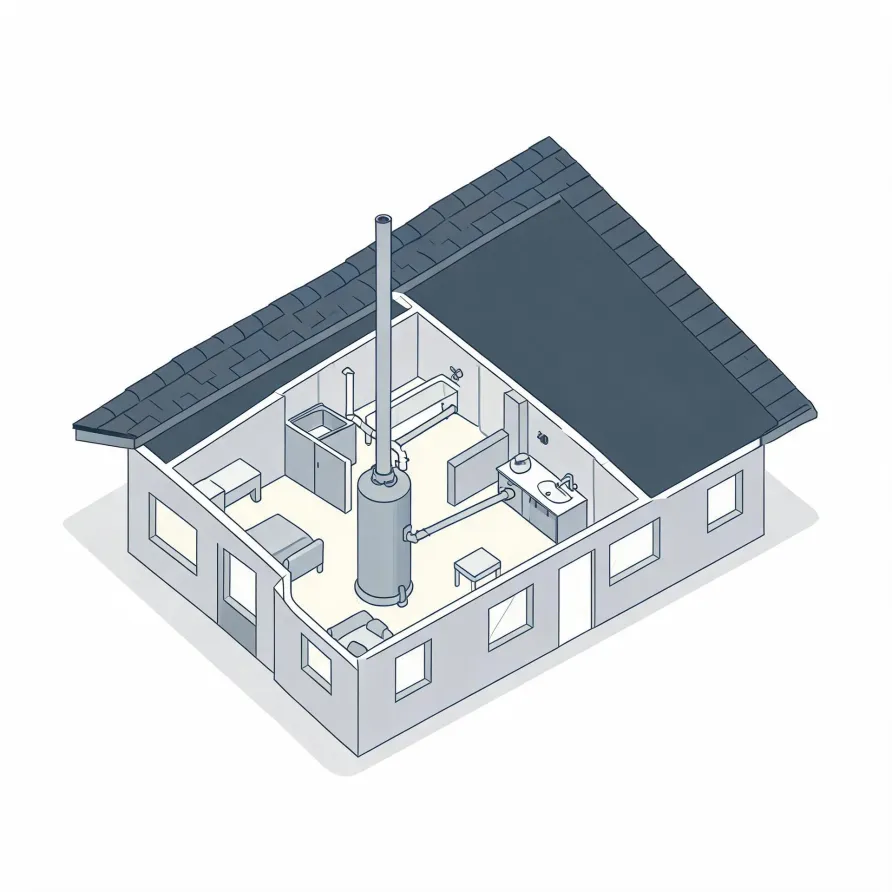
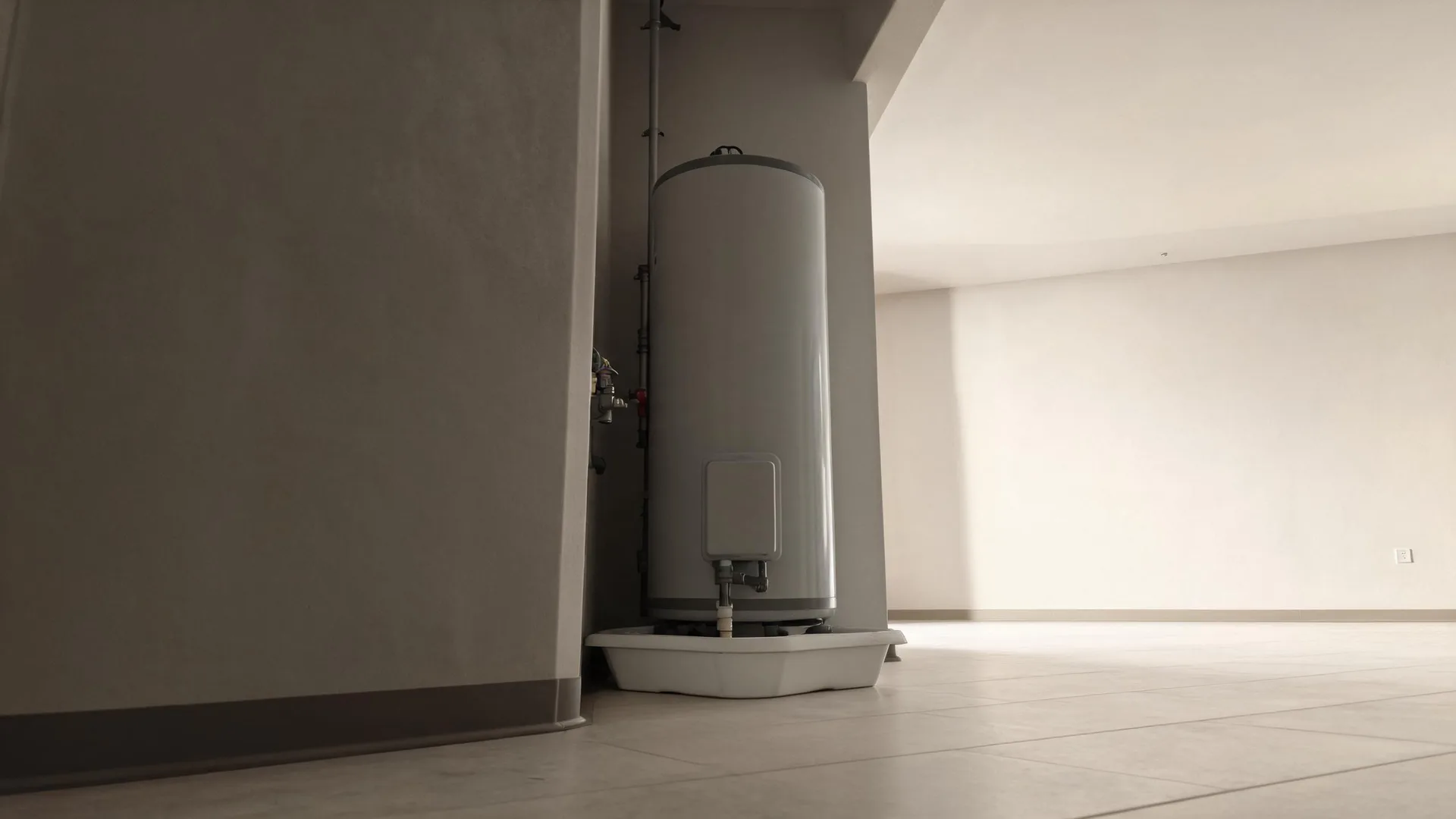
The tank is the piece a homeowner sees first, usually standing in a utility closet, garage, or basement. It holds the water and keeps it at temperature. When a contractor opens a repair call, the tank itself, its relief valve, and the drain valve are the first things examined, because failures there show up fast and visibly.
The burner assembly or heating element sits inside or beneath the tank depending on whether the unit runs on gas or electricity. The thermostat, which controls when heat is called for, connects directly to that assembly. The anode rod runs down through the tank interior and slows corrosion; a contractor pulls it to judge how hard the water has been working on the unit.
The drawing shows a general layout of these components, and a licensed contractor determines which of them apply to the specific unit and installation in your home.
Get matched in Santa Clara CountySanta Clara County, by the numbers
298 severe weather events were recorded in Santa Clara County, California between 2015 and 2024.
NOAA National Centers for Environmental Information, Storm Events Database, bulk CSV export, events 2015-01-01 through 2024-12-31.Half the homes in Santa Clara County, California were built in 1975 or earlier (2020-2024 ACS 5-year).
U.S. Census Bureau, 2020-2024 American Community Survey 5-Year EstimatesSanta Clara County, California holds 698,837 housing units (2020-2024 ACS 5-year).
U.S. Census Bureau, 2020-2024 American Community Survey 5-Year EstimatesOwners occupy 55.1% of the occupied homes in Santa Clara County, California (2020-2024 ACS 5-year).
U.S. Census Bureau, 2020-2024 American Community Survey 5-Year EstimatesCodes & Standards Behind Water Heater Repair in Santa Clara County, California1 sourced rules and standards
What Santa Clara County, California Requires for HVAC Repair
California requires a state contractor license: it is a misdemeanour to engage in the business of, or act in the capacity of, a contractor in California without one, unless the work is exempt.
Severe Weather Events in Santa Clara County
Extreme weather puts real stress on water heaters, forcing them to work harder and wearing components down faster. How much of that strain a unit sees depends on local conditions, which is why weather history in Santa Clara County is a practical factor in understanding repair demand.
298 severe weather events, 2015–2024. Source: NOAA National Centers for Environmental Information, Storm Events Database.